












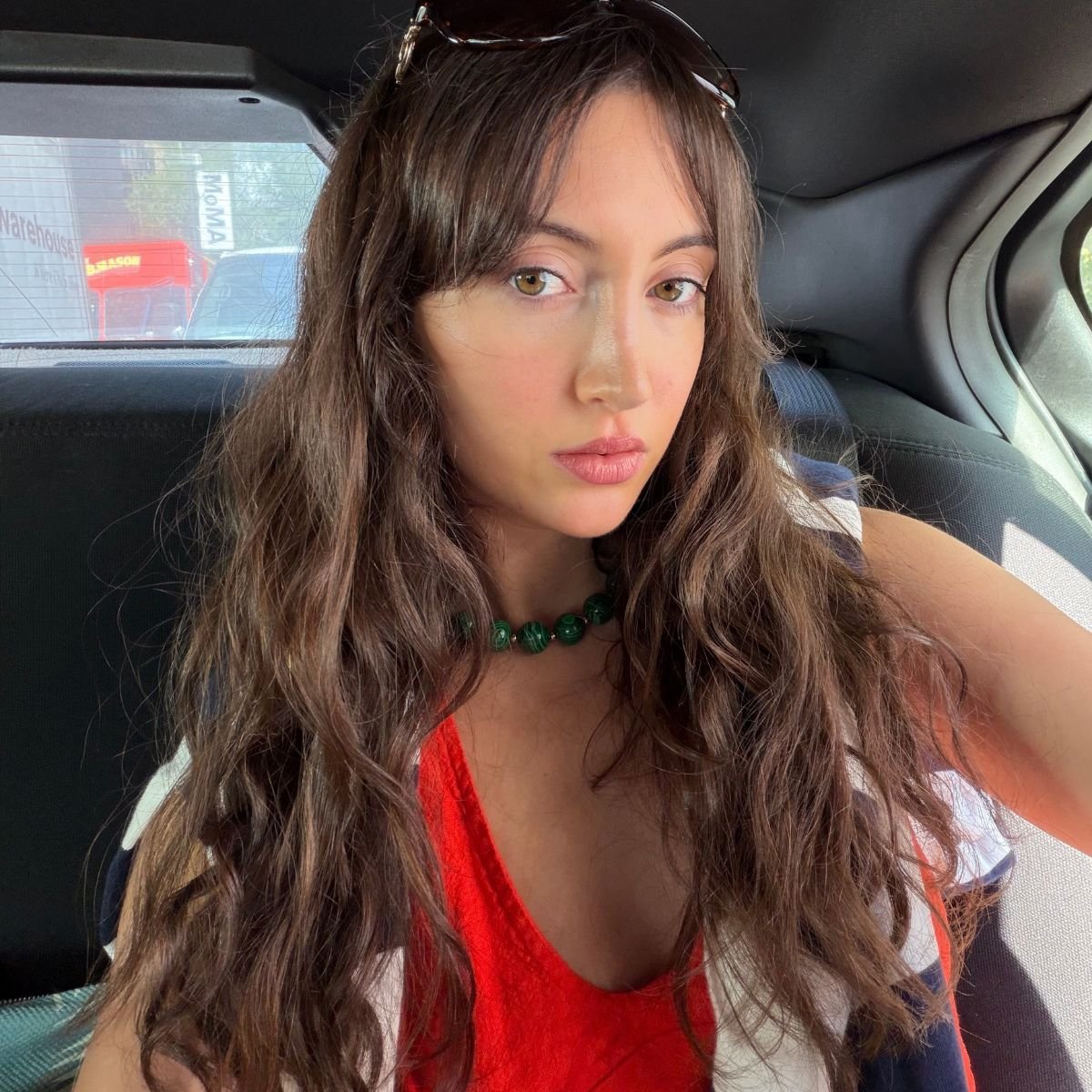
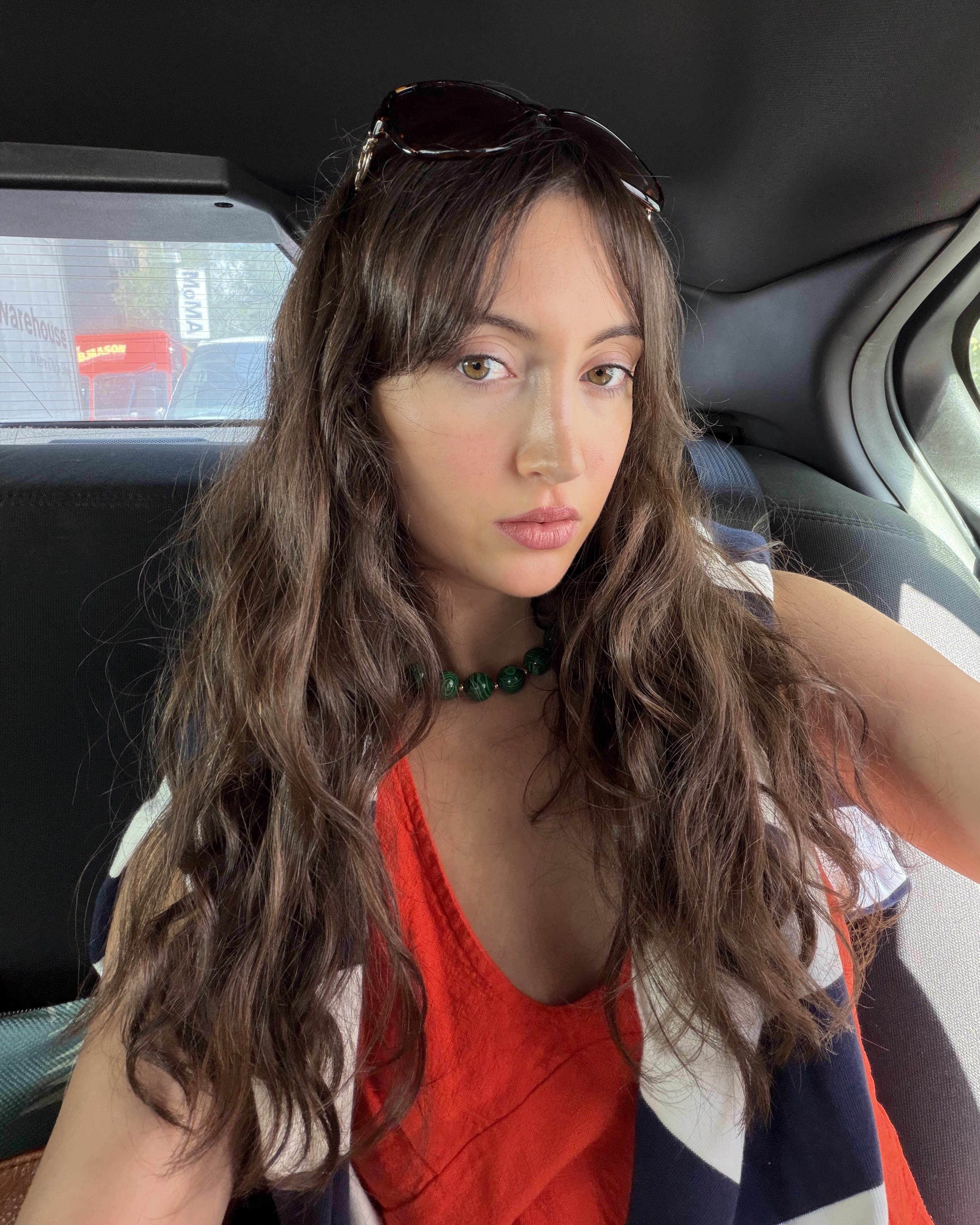
I’ve long struggled to define my hair’s exact type and texture. It’s curly on the bottom, but wavy on top; it works well in humidity, but is hit-or-miss after a blow-drying session. (Read: When I’m left to my own devices, my mane poofs into a big triangle.) After many years of damaging my strands with blow-dryers and scalding heat tools, I’ve been embracing my air-dried texture more than ever—we have my recent Parisian travels and last year’s romantic hair mania to thank for that. But this summer, I made it my mission to master my perfect wavy hair routine.
After testing more than 20 hydrating shampoos, hair oils, strand serums, leave-in conditioners, and drying methods, I can finally share what made my texture sing.
Identifying Your Hair Type
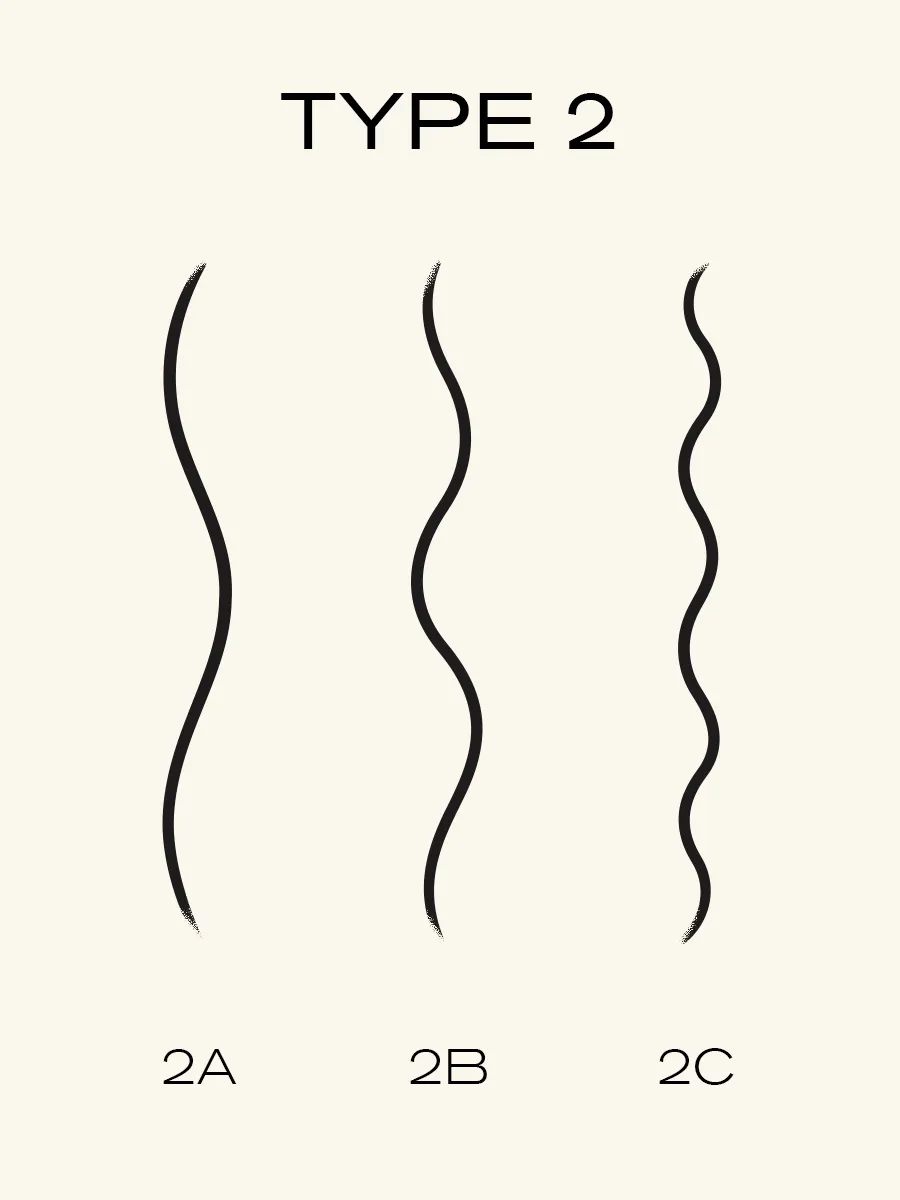
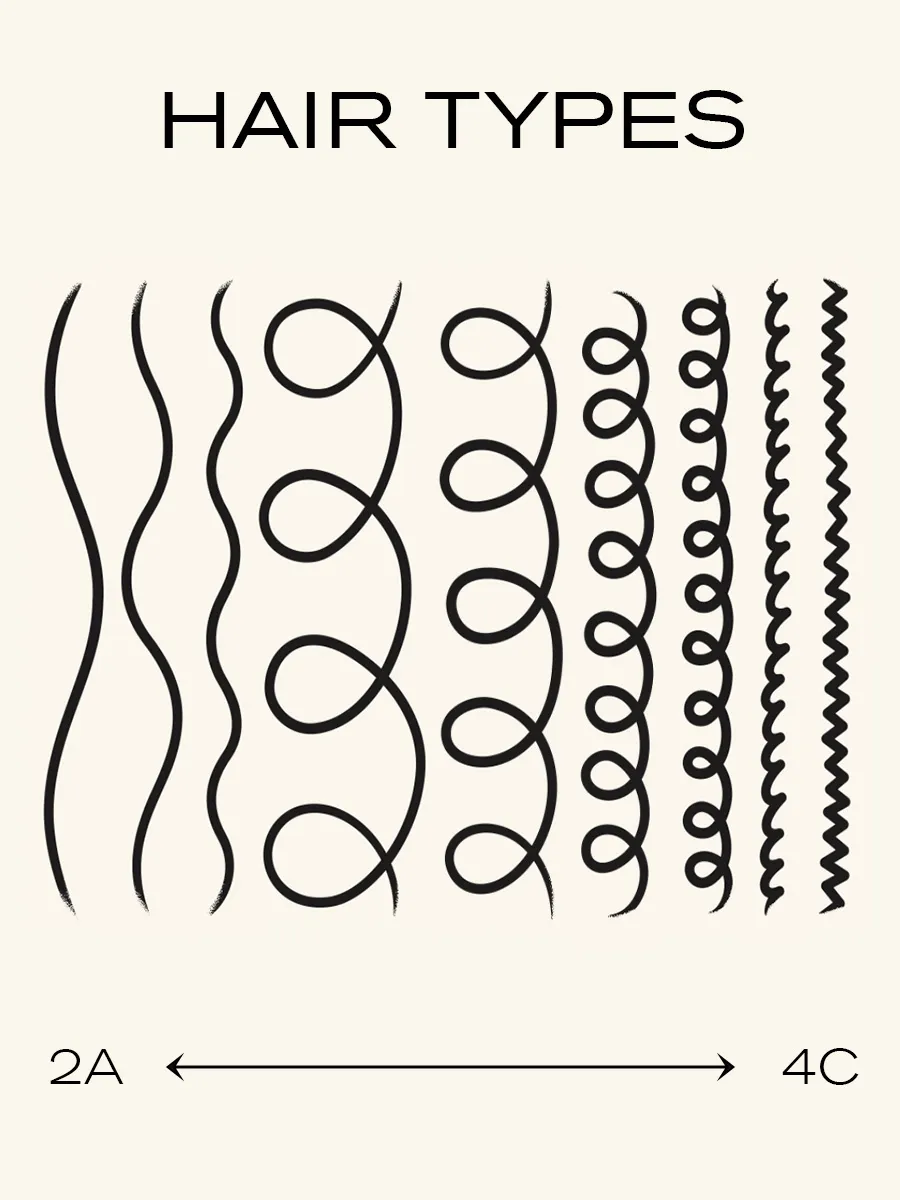
After working in beauty for more than four years, I’ve learned to use the hair typing system established by Oprah’s hairstylist, Andre Walker, as a basic framework for texture characterization. This system separates hair types into categories labeled by the numbers 1-4 and letters A-C. The smaller the number, the straighter and finer the hair, and the more progressive the letter, the tighter the texture.
According to Walker’s system, wavy hair is category 2—with 2A having the finest weight and loosest curls, 2B falling between fine and medium, with a bit more frizz and “S” shaped waves, and 2C being thicker, with more defined “S”-shaped waves from roots to ends. After many hairstyling sessions and four years writing about beauty, I’ve identified my type as 2B and consulted the pros to bring my texture to life.
“An easy way to tell if you have any wave in your hair is to do an air-dry test,” says celebrity hairstylist Ashley Streicher. “After washing your hair, towel dry and don’t brush your hair flat. You can brush/comb it in the shower with conditioner if needed, but once out of the towel, find your part and let it air dry completely,” she adds. If waves or curls begin to take shape, congratulations—you have texture to embrace.
Guides like Walker’s hair typing system are a great visual for deciphering your specific type, though Streicher also recommends consulting a professional if you want another opinion. “I think it’s really most important to find out if you have wavy (2A, B, or C), curly (3A, B, or C), or coily (4A, B, or C),” says Streicher. “Those three different hair types would need different types of products for styling efficacy,” she explains.
Speaking of styling efficacy—here are the exact expert-backed steps and products I used to embrace, enhance, and define my natural waves. Safe to say my hot tools are getting lonely these days.
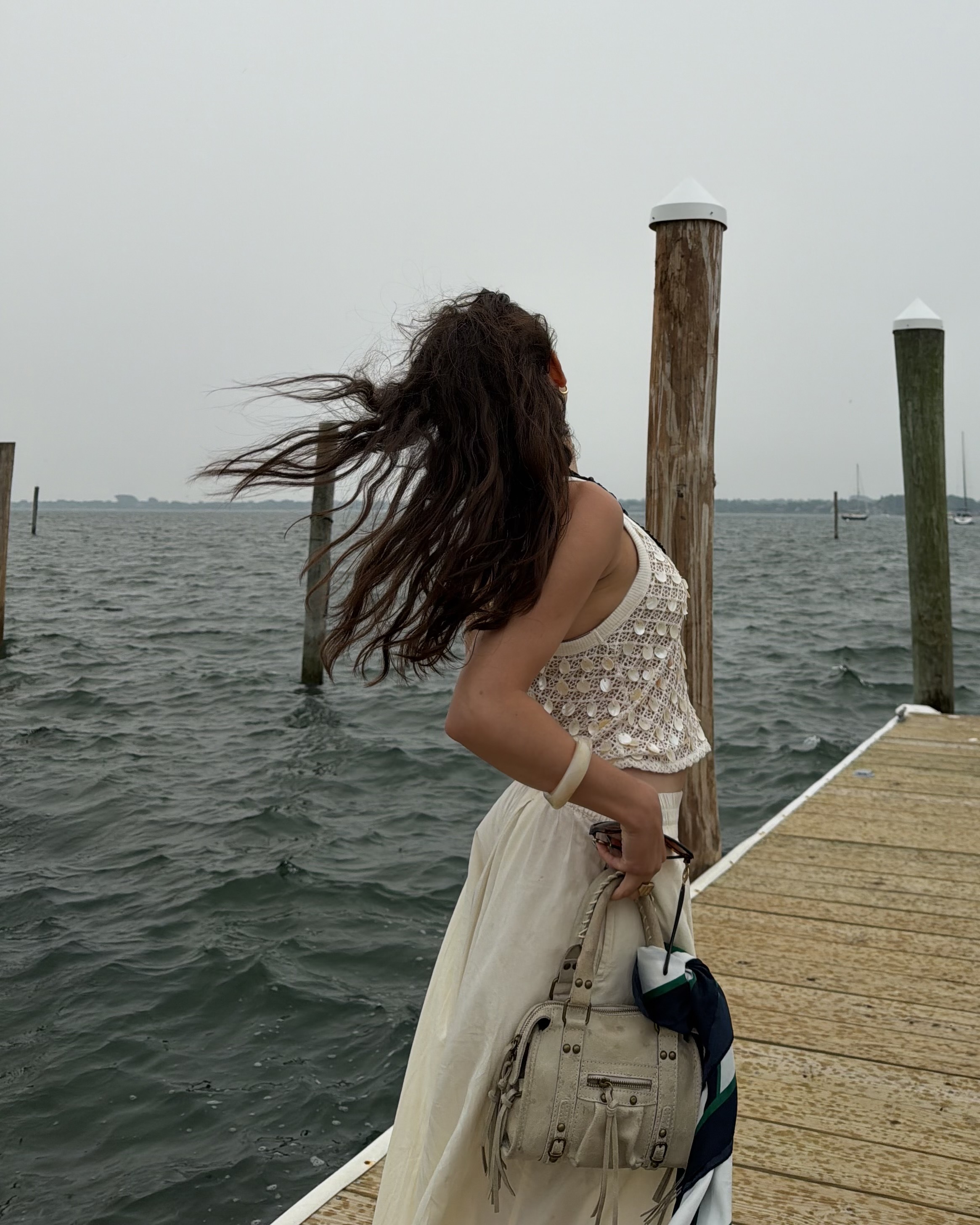
My 4-Step Wavy Hair Routine
1. Wash Hair with Hydrating Shampoo
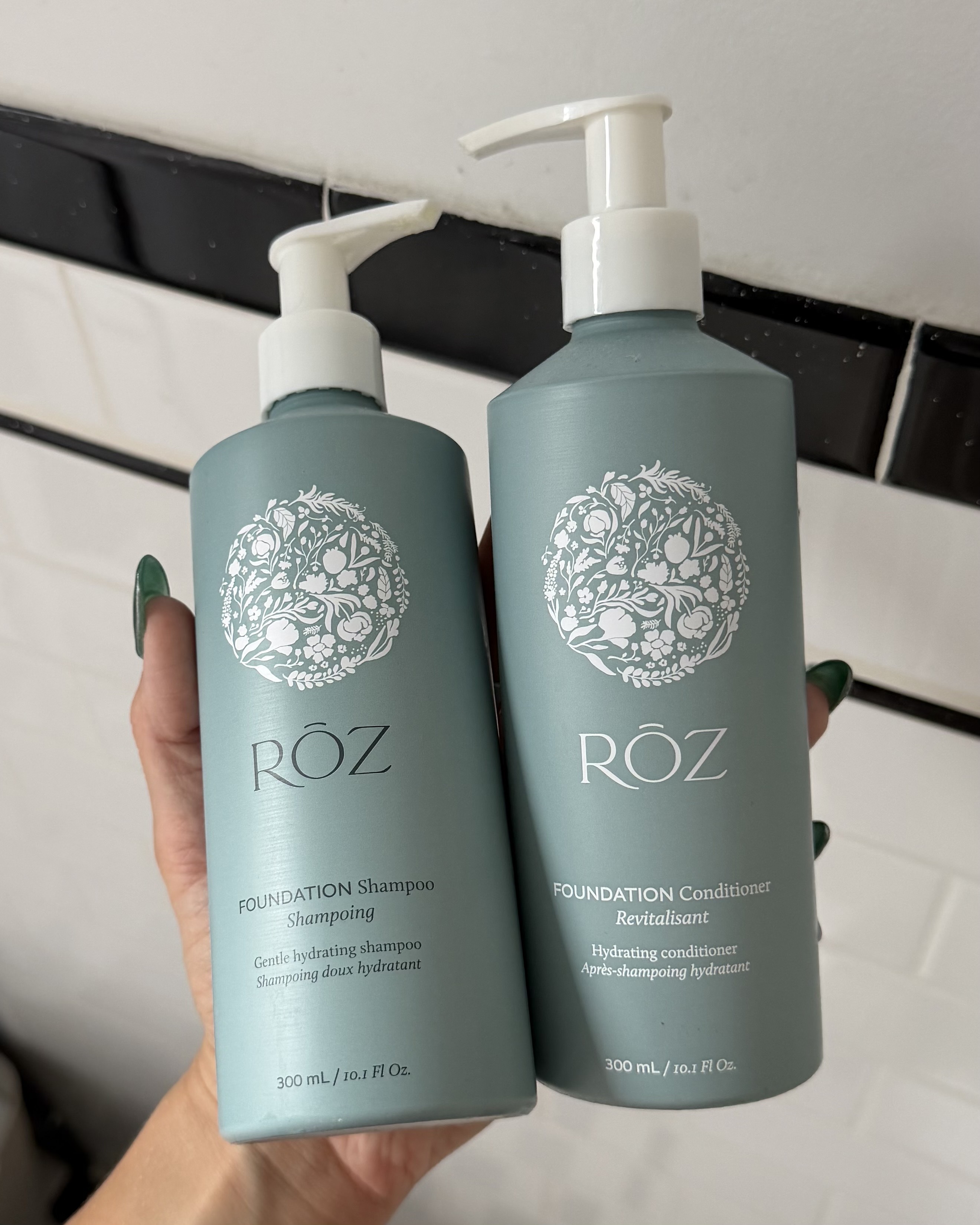
Wavy hair can range from fine to medium-thick in texture, which means that it’s prone to frizz and flatness. To keep your mane feeling natural and airy, Streicher suggests opting for lightweight hydrating shampoos that smooth frizz and boost volume. “If you need to, comb through your hair while still in the shower while it’s being rinsed,” she suggests. I do this step—thumbing through my wet waves for even product dispersion and detangling—while applying and rinsing out my conditioner. But let this be the last time you comb your hair, as additional brushing can straighten out your bends.
My Shampoo Picks for Wavy Hair:
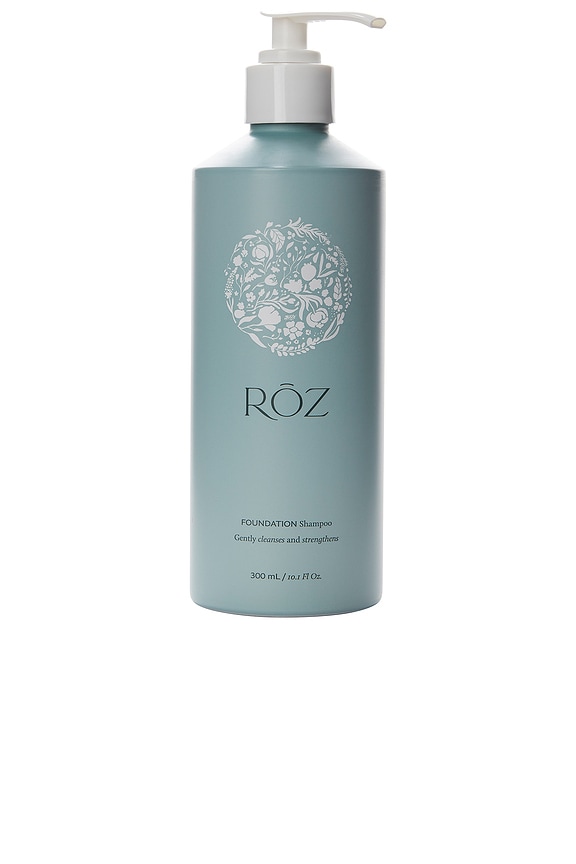
A rich, high-lather shampoo that douses my strands in moisture.
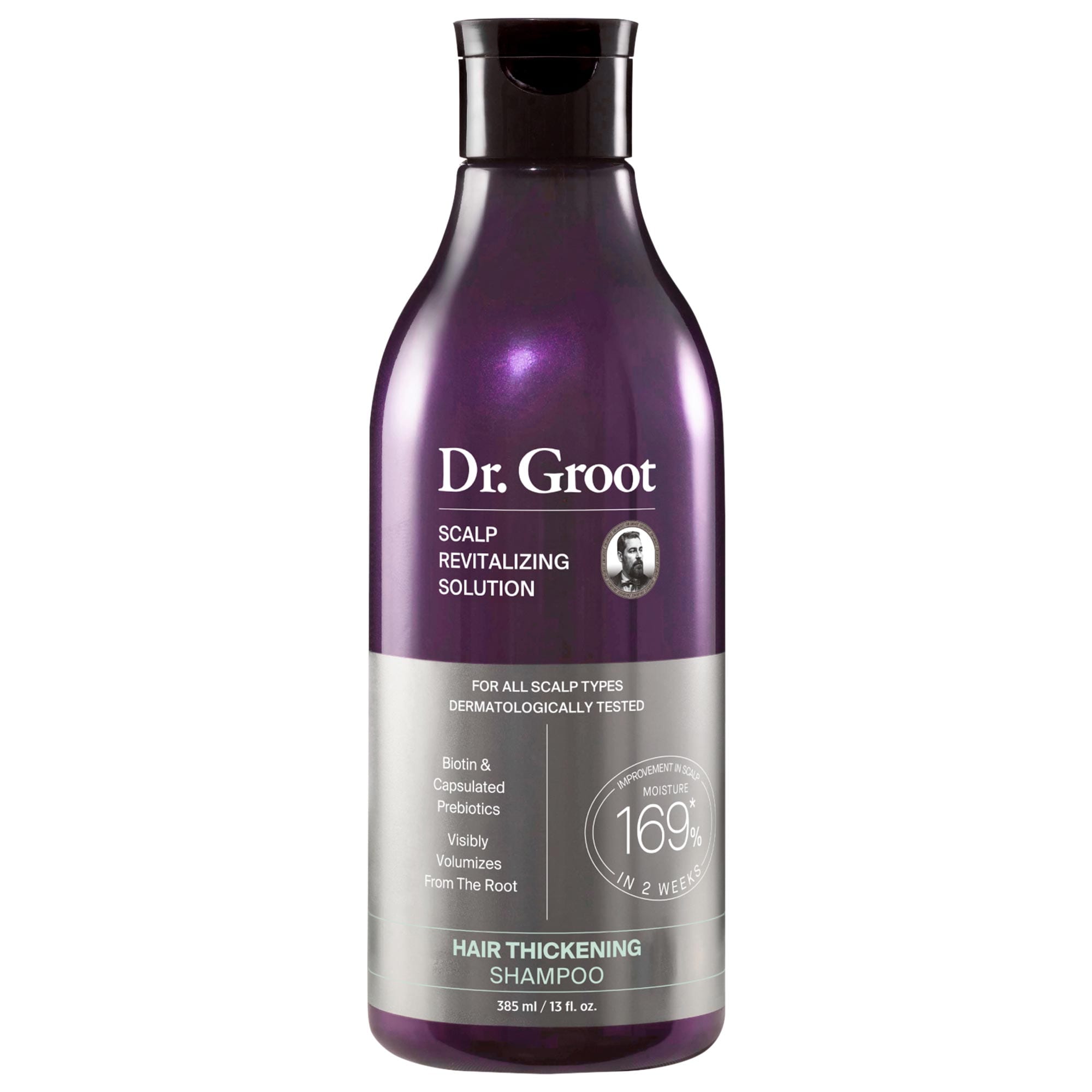
A great option for those with thinning hair.
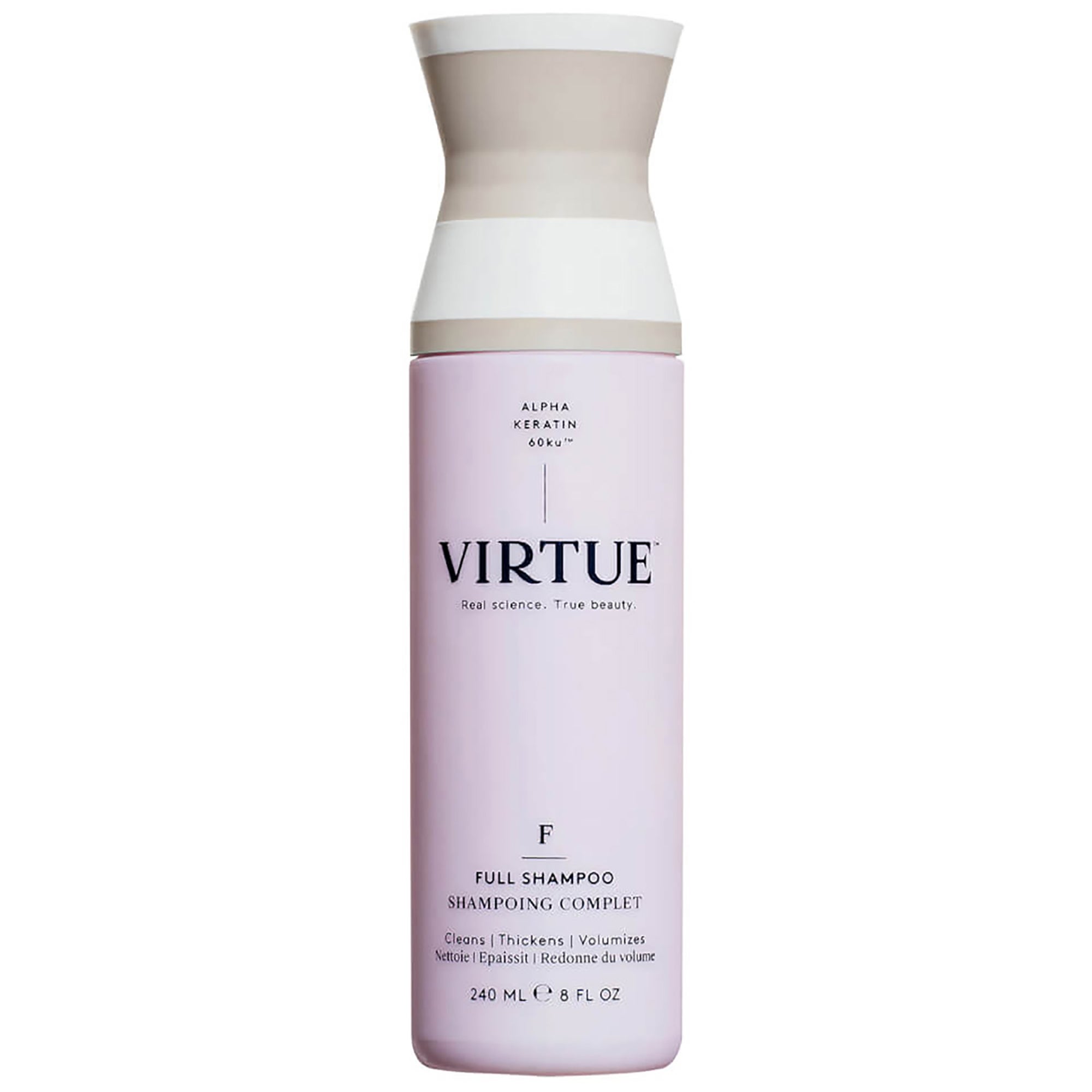
A formula I used to the last drop for fullness and body.
2. Use a Leave-In Conditioner
After rinsing out a similarly light, hydrating conditioner, the real action begins. After patting yourself dry, lean over your tub to let your hair fall forward—making it easy to twist up in a hair towel wrap. Streicher recommends letting your hair sit like this for five minutes before moving on to any next steps.
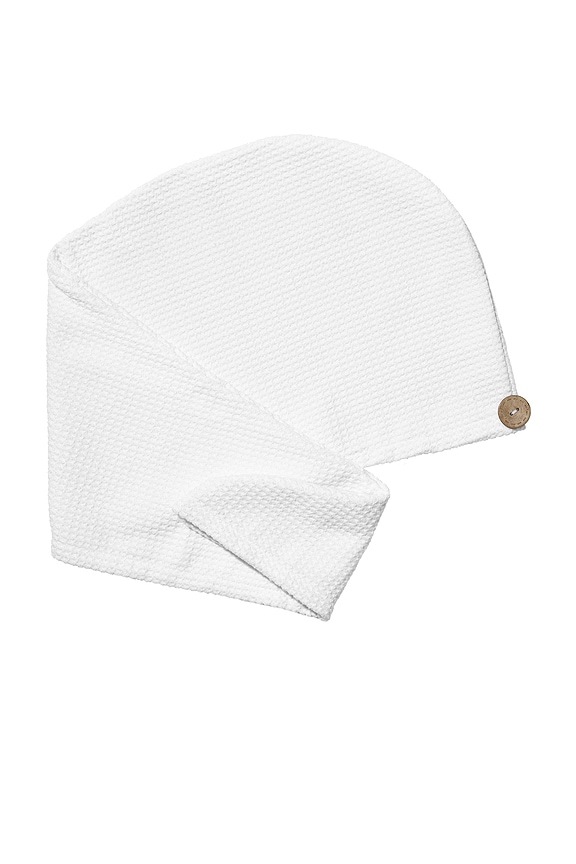
“When you release your hair, find your parting and finger-comb through your waves gently, so as to not disturb them or any volume,” she chides. From this point on, the hairstylist forbids you to comb or brush your hair again. Instead, apply a leave-in conditioner that will smooth your strands, define the texture, and further seal the cuticle.
“Squeeze the product into your hair, slowly making your way to the roots,” she instructs. I do this by scrunching sections of my hair from below, letting my waves pool in the palm of my hand before shaping the hair inside. “Be gentle so as not to disturb the waves or volume.” All there’s left to do is air-dry your waves—so keep your hands off and let them dry down your back.
Shop My Leave-In Conditioner Picks for Wavy Hair:
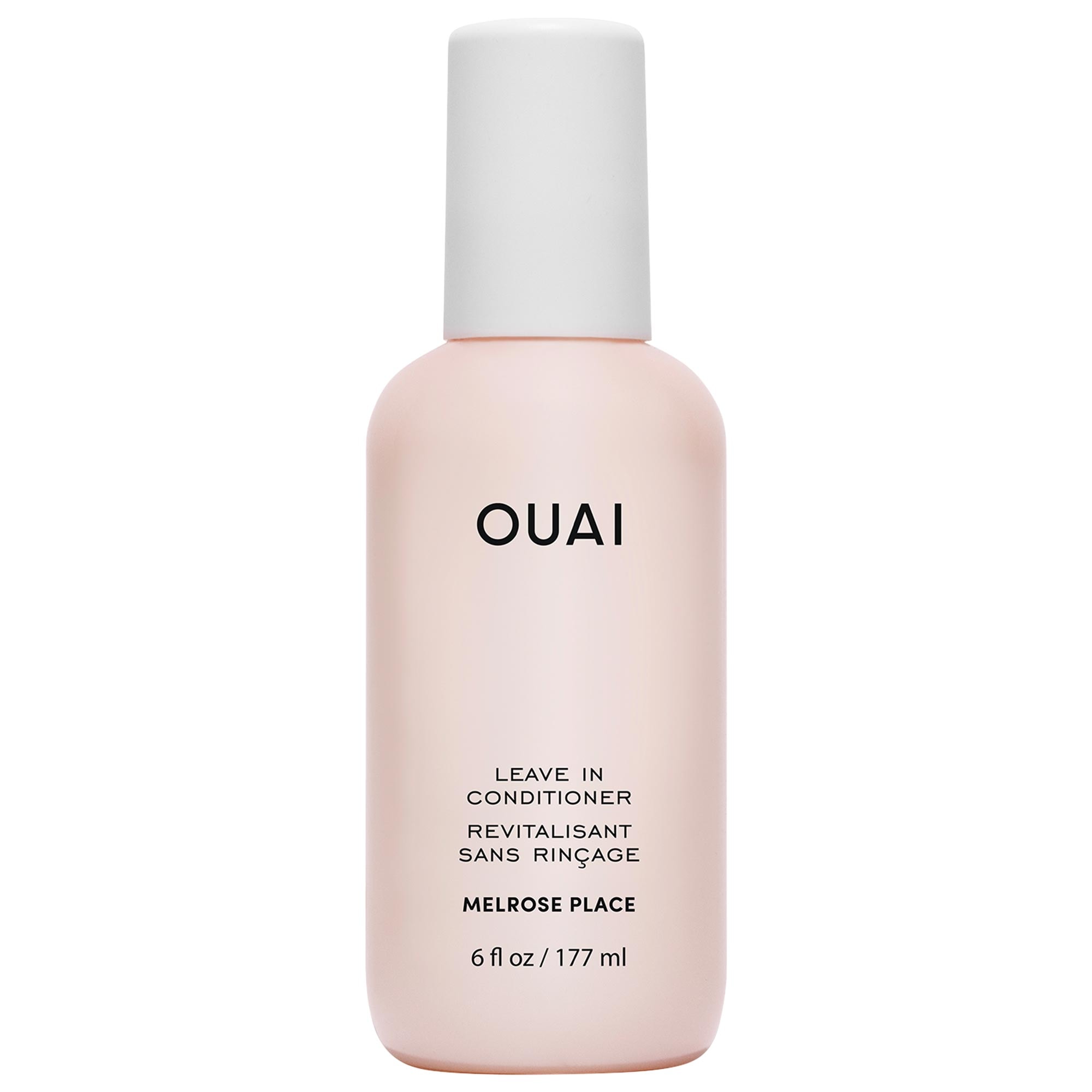
A smoothing, ultra-hydrating mist in the most heavelnly scent.
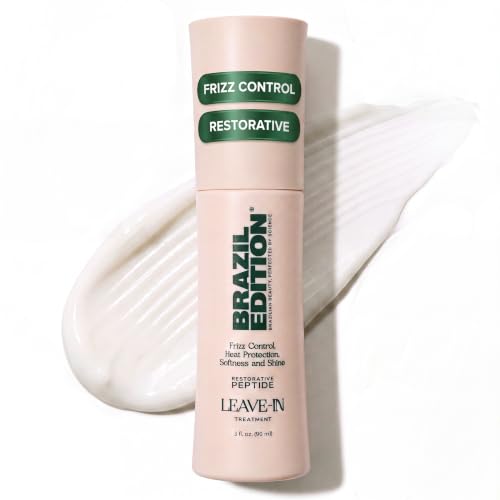
Packed with damage-repairing and hydrating peptides, this leave-in was the first I tried that changed my texture for the better.
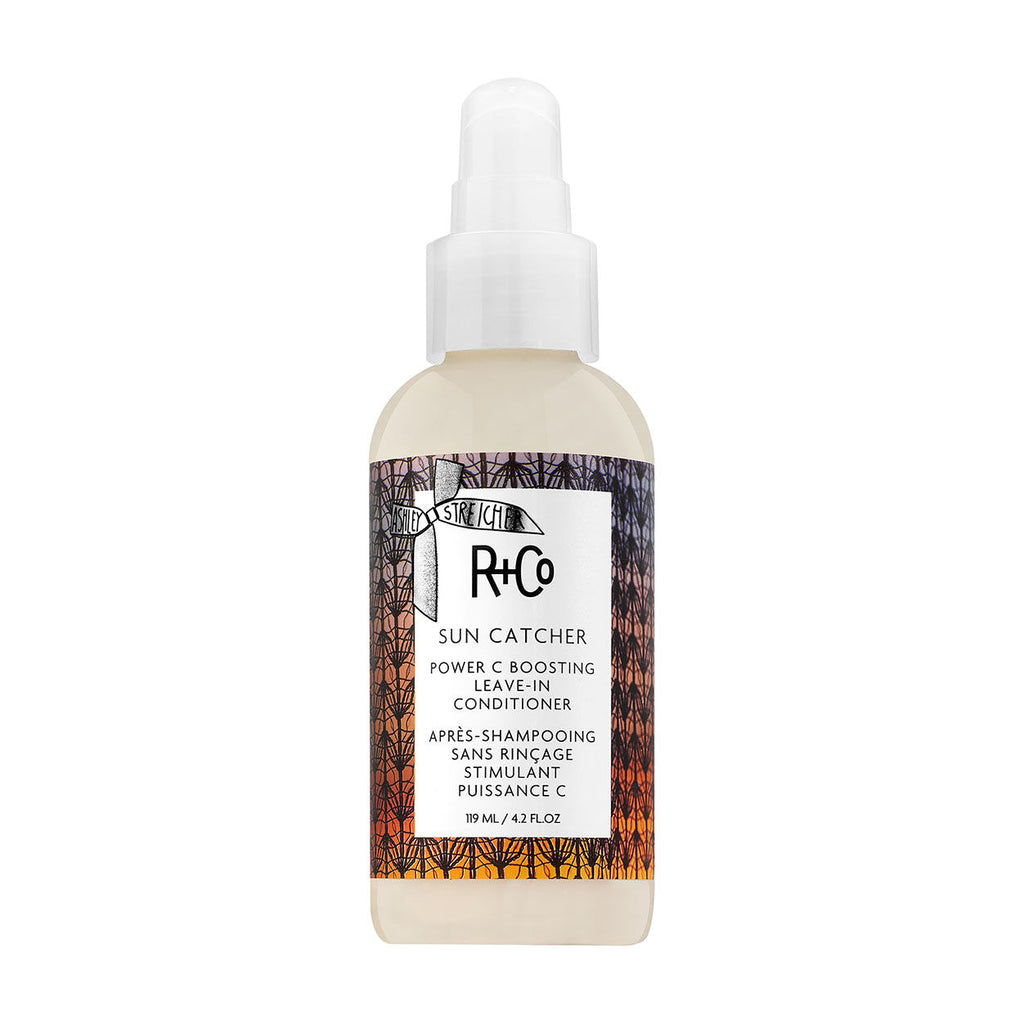
This multitasker eliminates frizz, defines my waves, and protects my hair from harmful environmental aggressors and the sun’s strong rays.
3. Use a Diffuser (If Necessary)
Let’s face it—we don’t always have time to get air-dried curls before jetting to our next commitment. On days that I want to achieve the look of natural, air-dried waves without the 30 minutes it takes for my mane to do the work, I’ll use a diffuser to maximize time. Celebrity hairstylist Bobby Eliot taught me not only to diffuse my strands from below, but to press the diffuser to the sides of the head and capture the length from the side, creating scrunchy, defined texture.
Shop My Diffuser Picks for Wavy Hair:

This fast-acting dryer from L’Oréal is my personal favorite, and its included diffuser attachment defines my texture with ease.
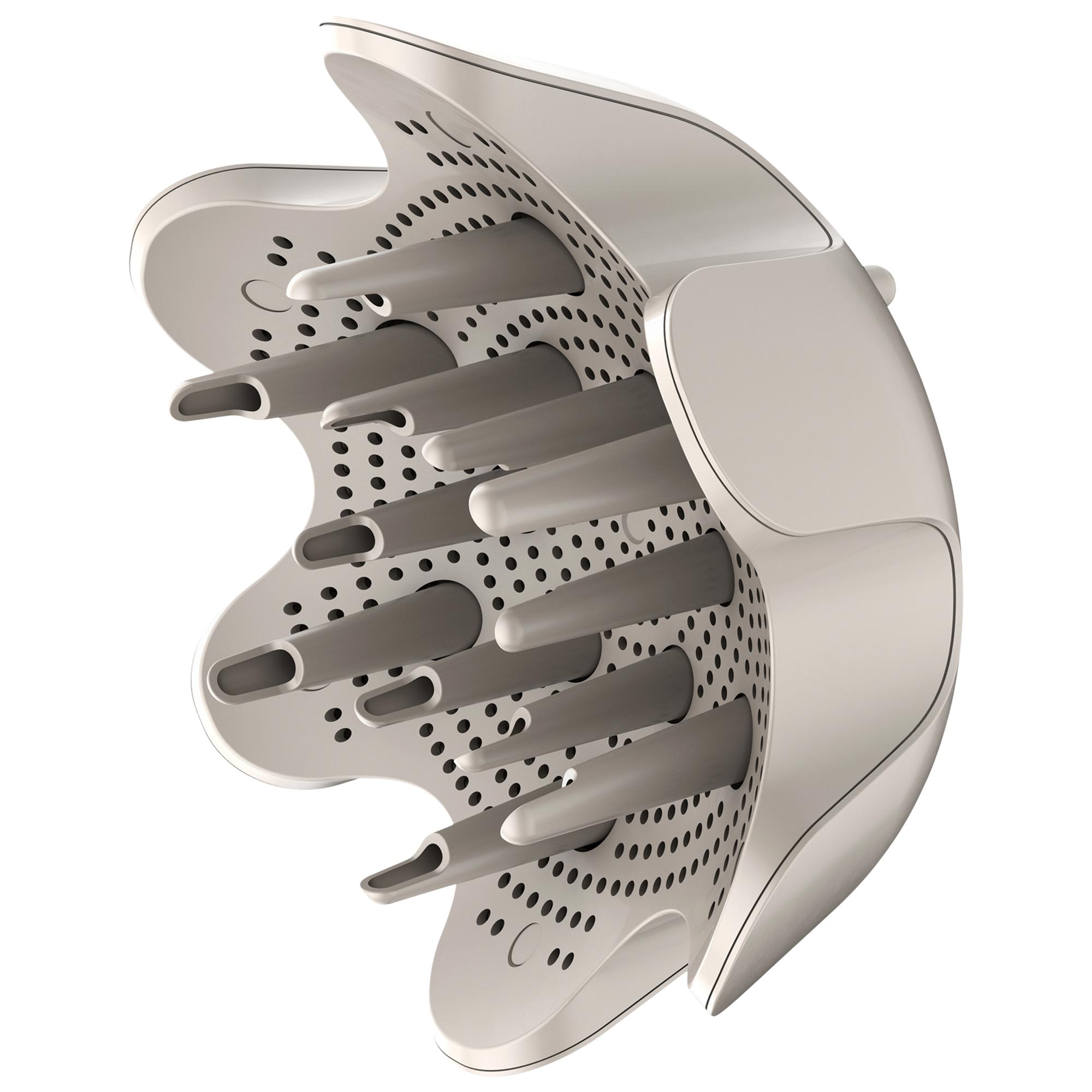
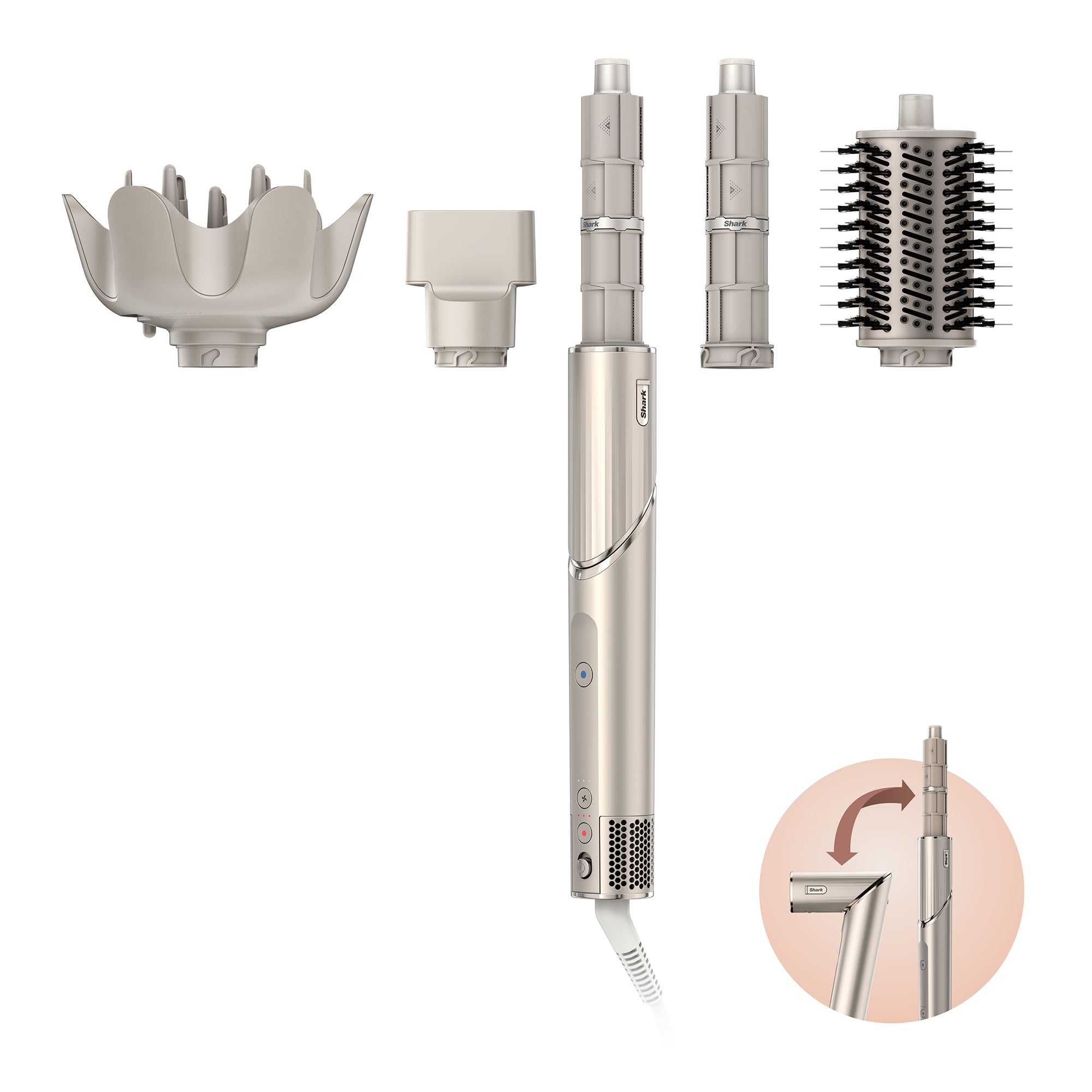
If you’re learning your “straight” hair is actually wavy, you may not own this Shark FlexStyle attachment yet. Take this as your sign to add it to cart.
4. Use a Light Hair Oil
Right before my hair is completely dry, I use a lightweight hair oil to smooth any frizz or pesky flyaways. “Wavy hair thrives with lightweight styling products that enhance your natural wave, but don’t weigh it down,” she explains. It’s for this reason (and the fact that I don’t want to comb through and ruin my waves) that I often opt for fine mists like Chris McMillan’s The Lightweight Glassy Smooth Hair Oil or watery serums that I can scrunch into waves, like Rōz’s Santa Lucia Styling Hair Oil. See more of my go-tos below.
Shop My Hair Oil Picks for Wavy Hair:
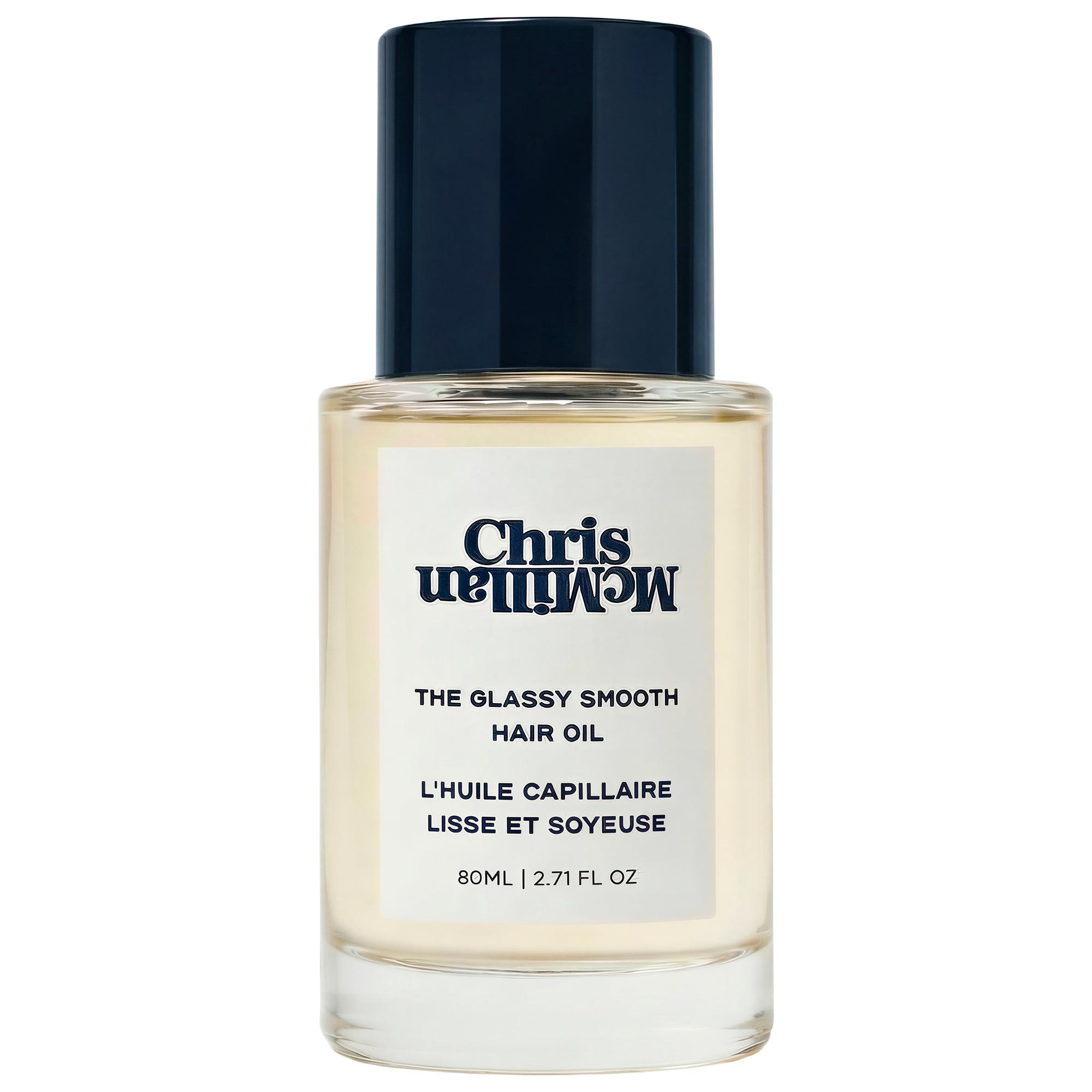
My current favorite hair oil. It immediately hydrates dry strands and smooths frizz.
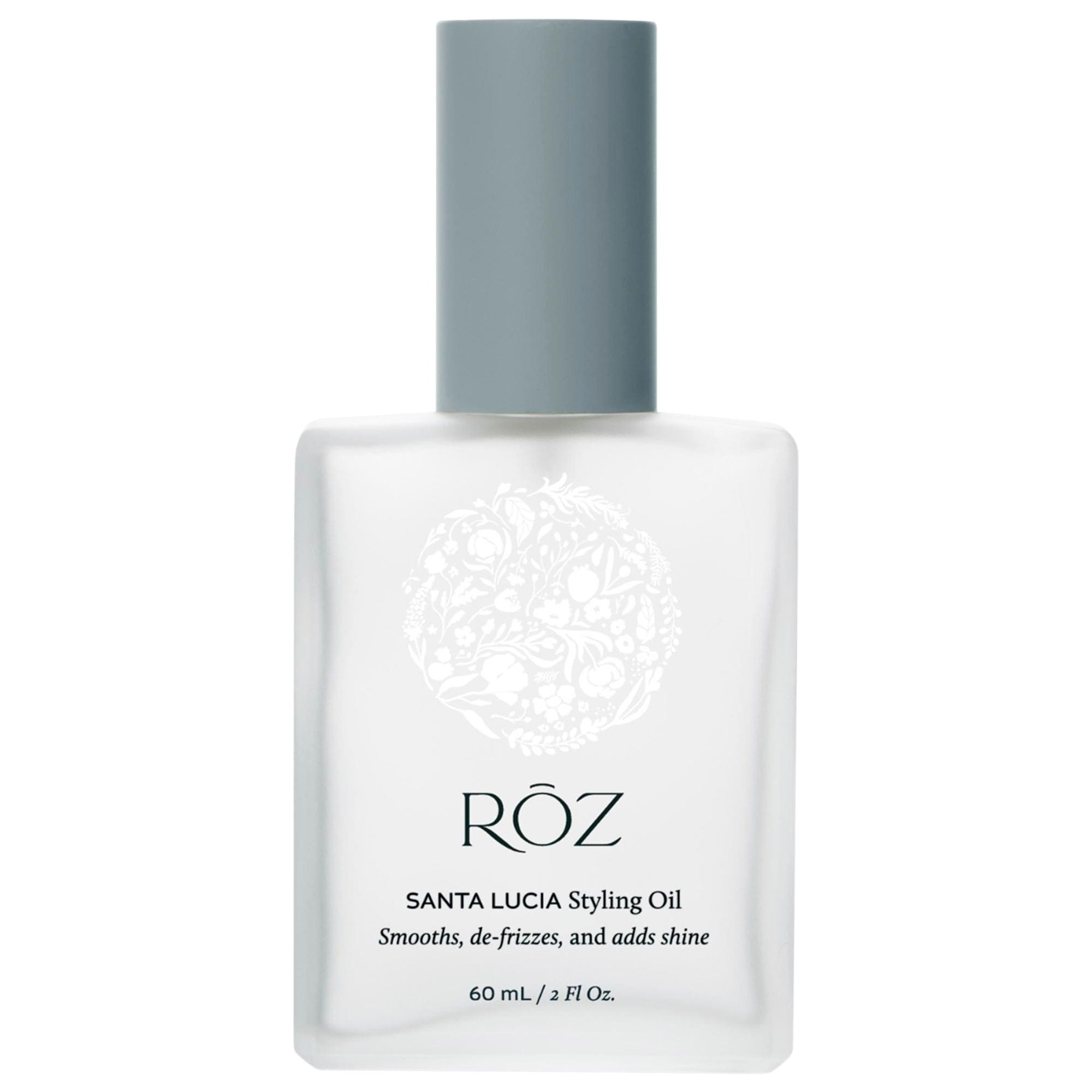
The lightest formula I’ve ever applied to my strands. It has the smoothing properties of something much thicker, but wears like water.
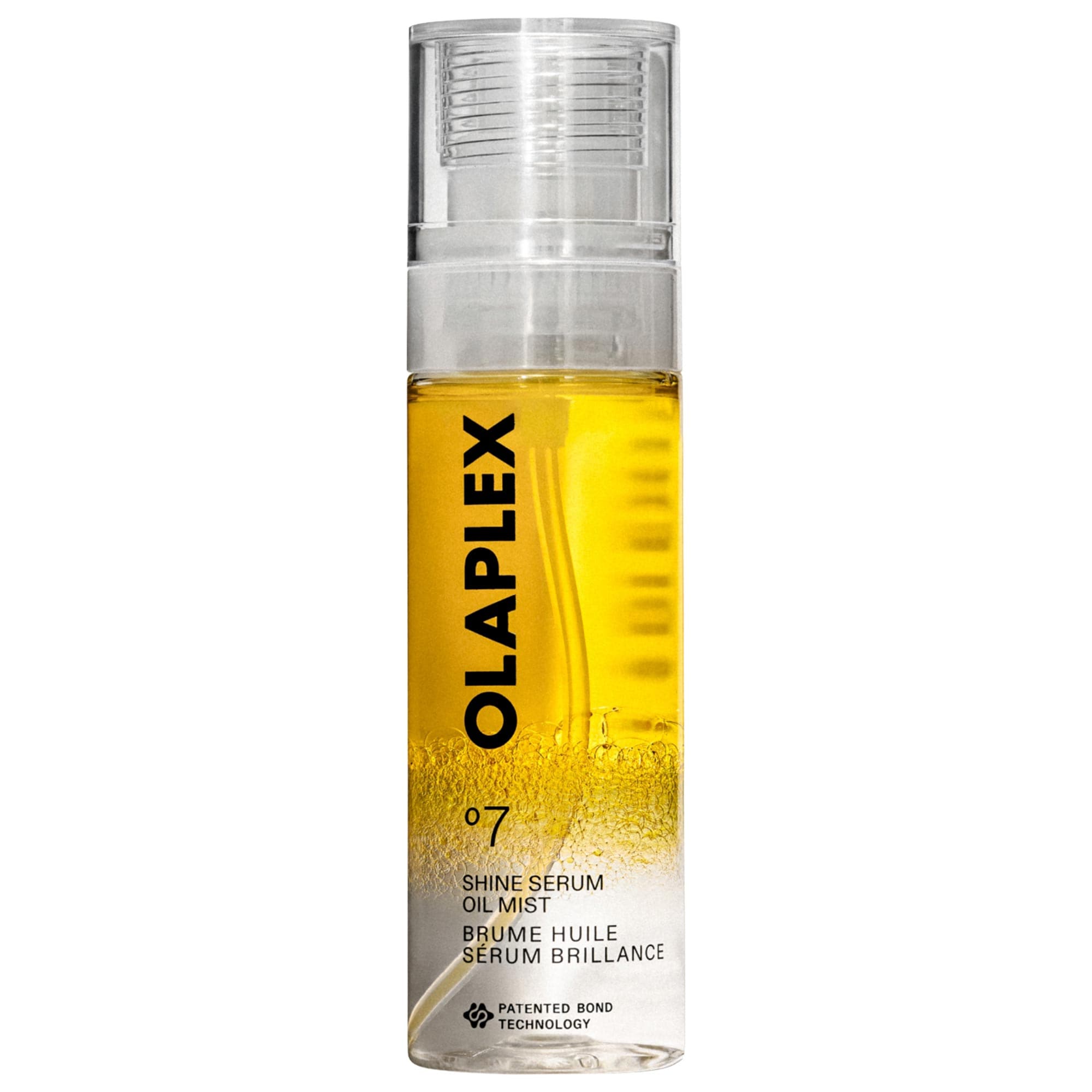
This 2-in-1 spray offers the gloss and hydration of a hair oil and the heat protection of a styling mist.
How to Revive Second-Day Waves
While nothing feels as fabulous as those wash-day waves, you can easily revive your texture if it’s starting to fall flat or lose its bounce on the second or third day. Below, a few of my favorite texture-resurrecting mists, frizz-smoothing butters, and hair wavers to touch up in between washes.
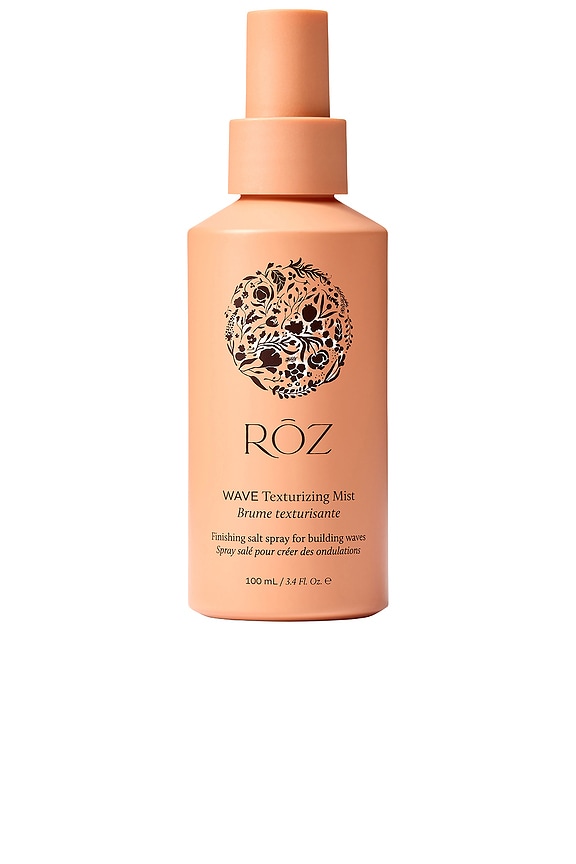
A texturizing sea salt spray that amps up volume and livens texture.
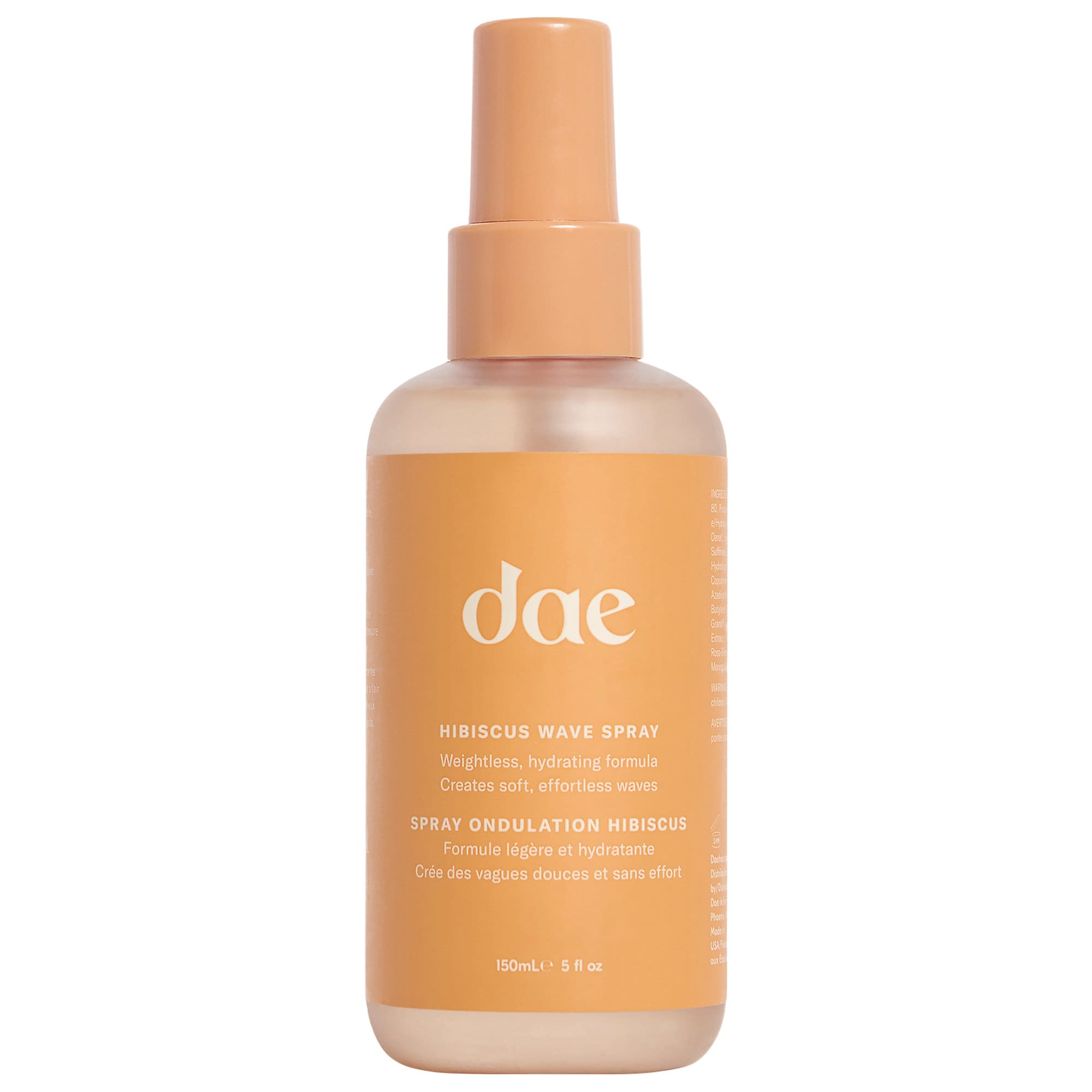
Where Rōz’s spray creates voluminous texture, this spray rehabilitates your natural bends.
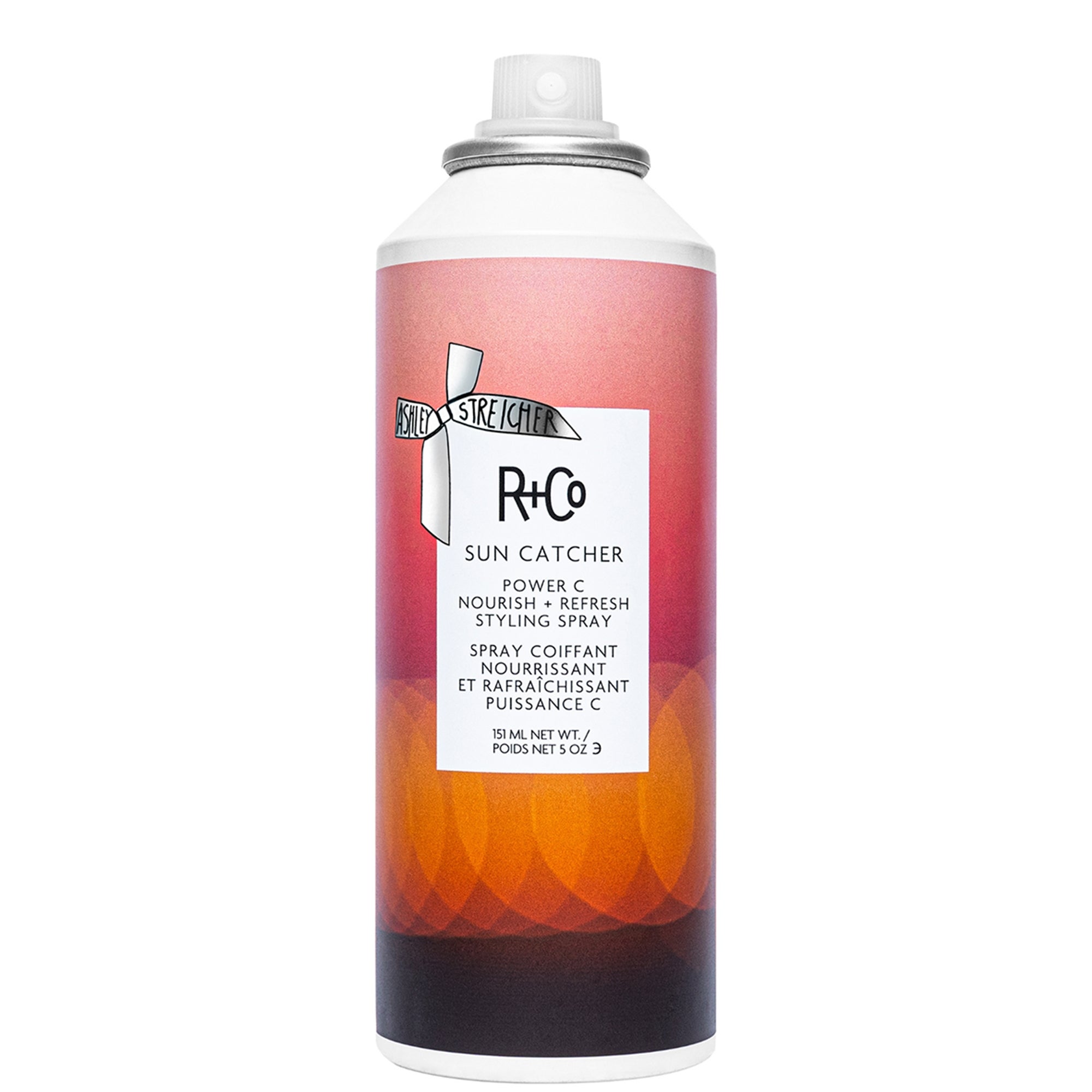
A lightweight, ultra-fine mist that makes next-day styling a breeze.
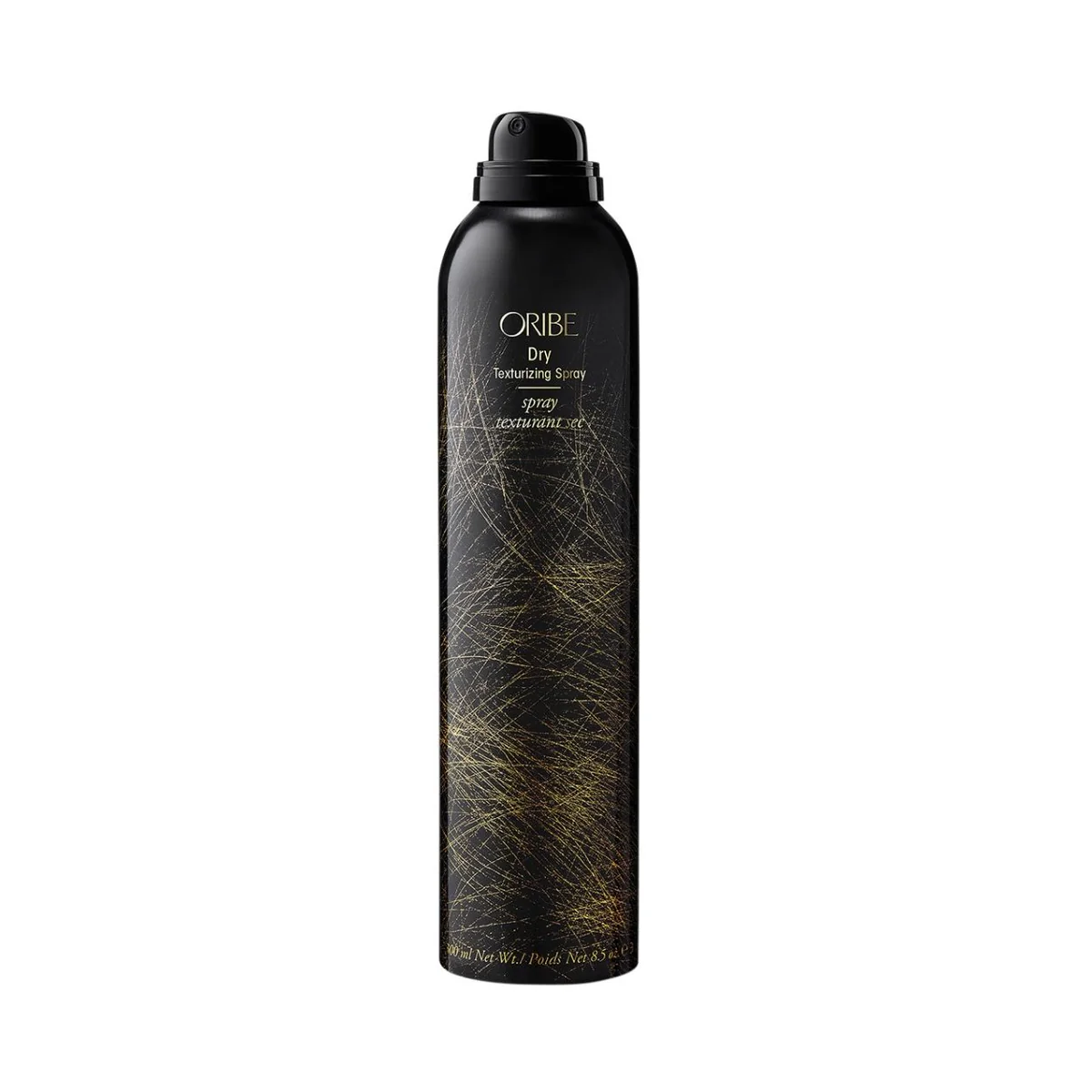
Whenever I’m craving a bit more volume, I’ll gently spray my waves with this texturizing spray. It’s glamorous, instantly effective, and smells divine.
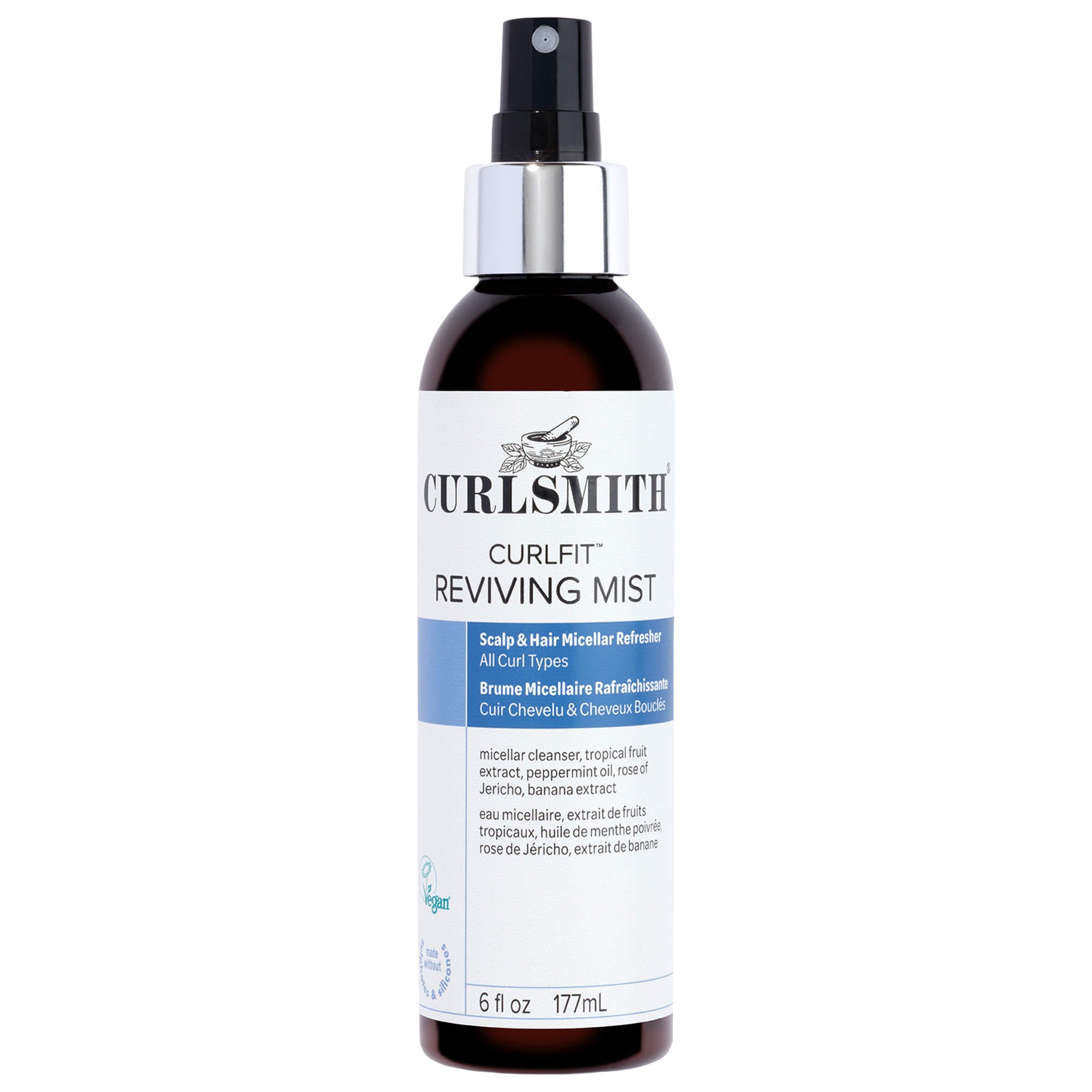
When in doubt, reach for a curly hair product. This curl-reviving mist hydrates and refreshes your waves in seconds, leaving behind a fresh scalp and bouncy texture.
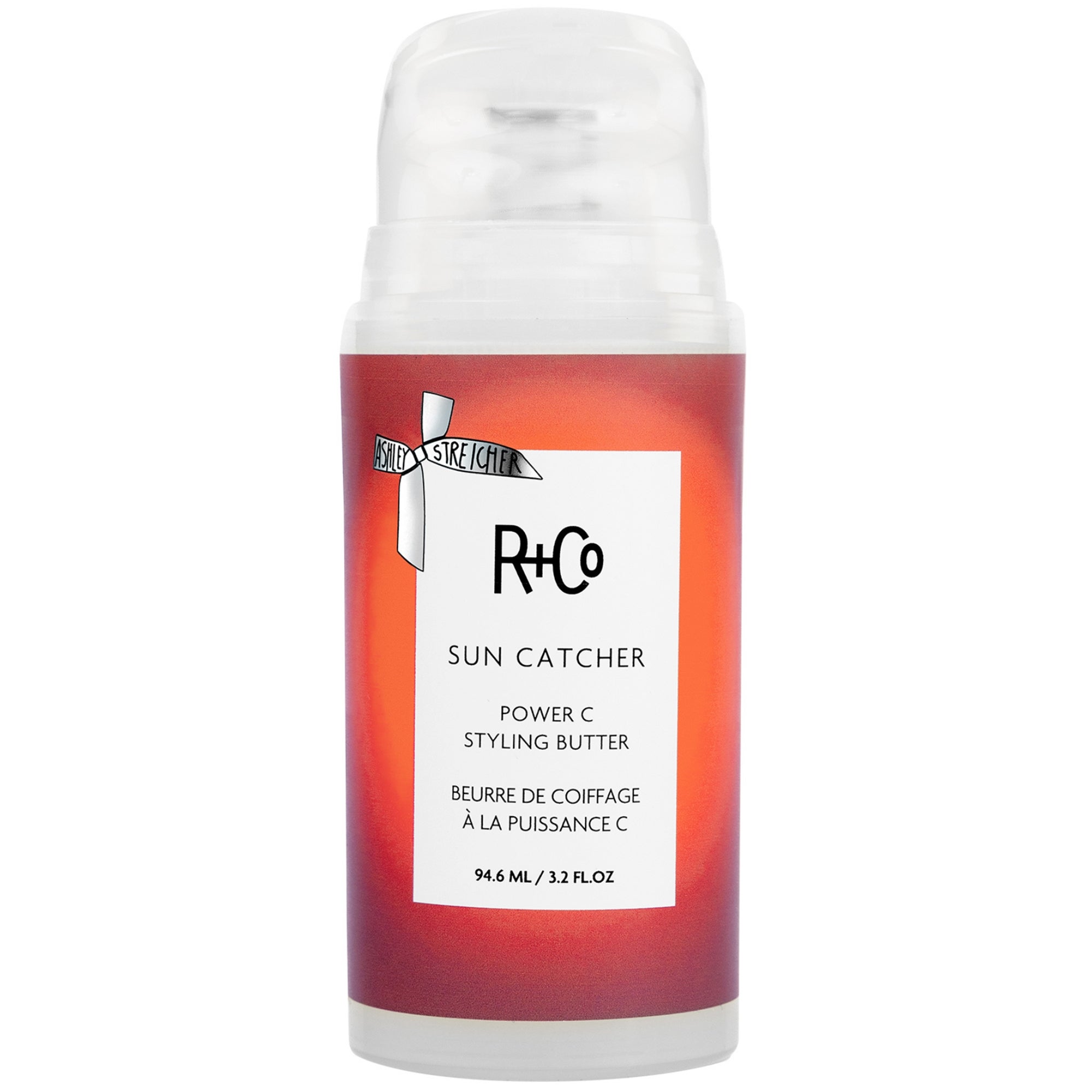
If you have thicker hair, Streicher recommends adding separation and texture to second-day waves with something more substantial, like R+Co’s new Styling Butter.
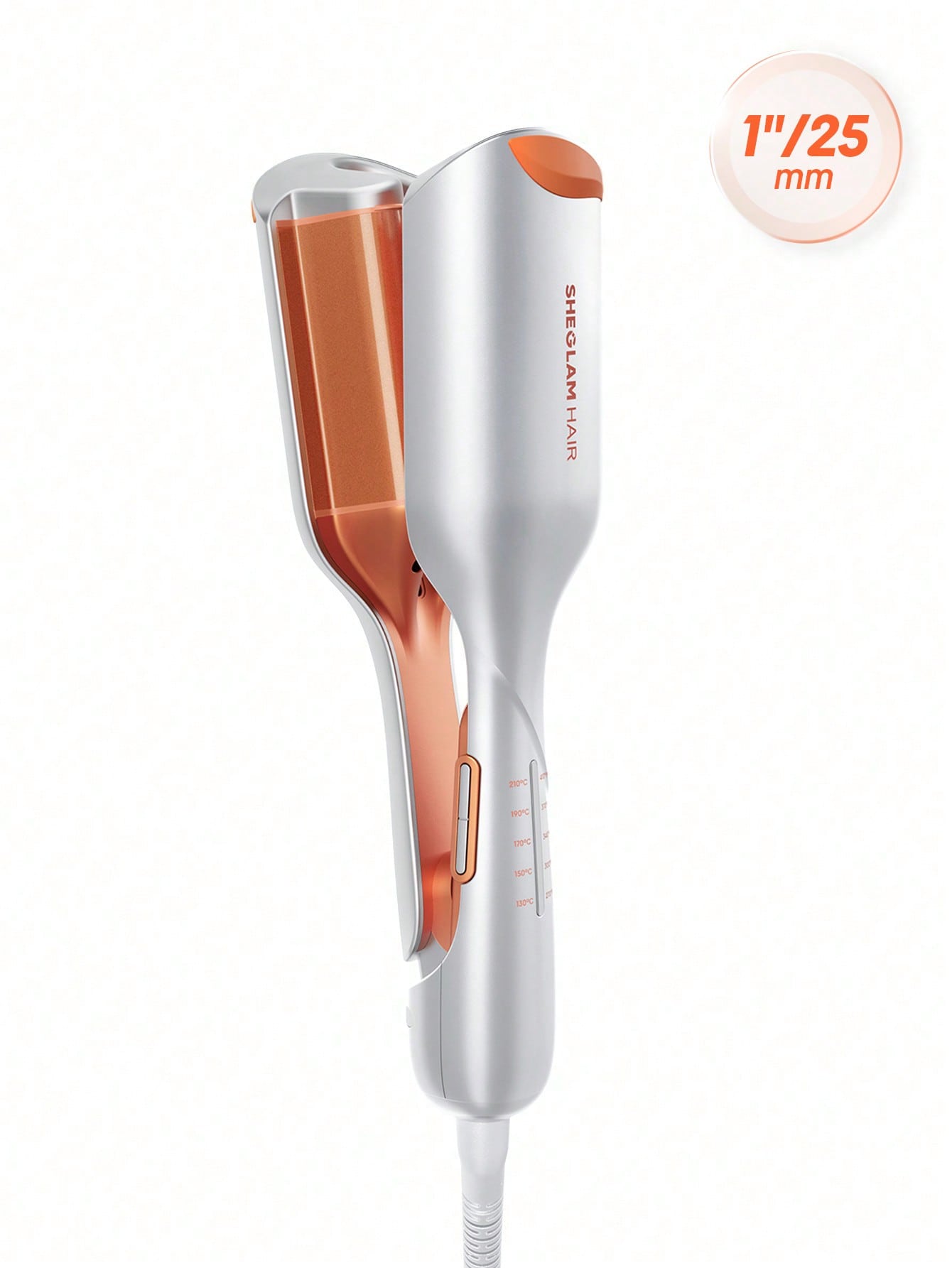
If you have 2A or 2B waves, it can be easy to flatten your texture after sleeping. To revive your hair, take this waver to your strands to re-enhance your bends.
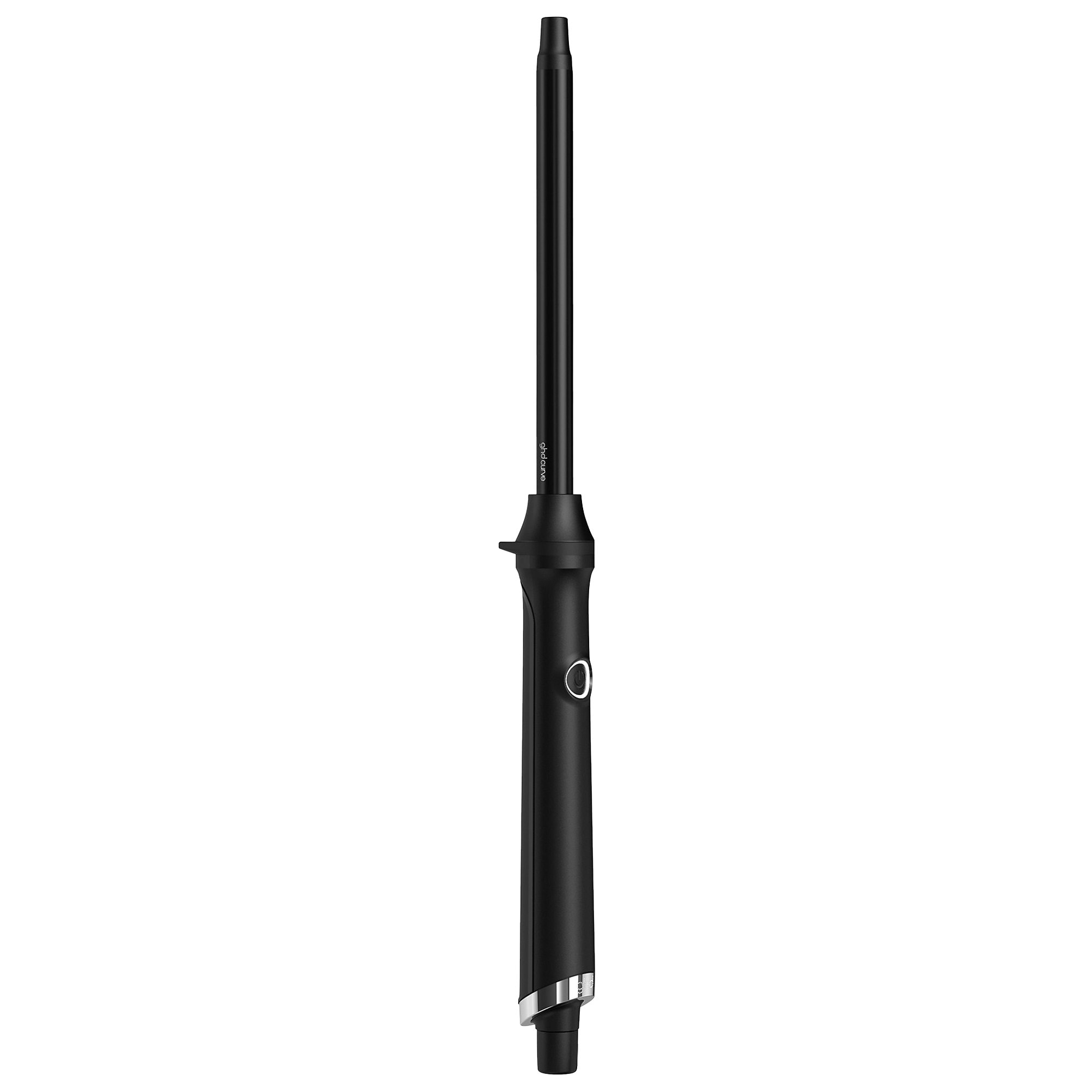
If sections of your hair air-dried nicely, but others didn’t quite follow suit (ahem, mine on most days), try taking a thin curling wand to the sections that misbehaved. After letting the curls fall, gently pull on the curled section from your ends to make the hair more wavy and less curly.