














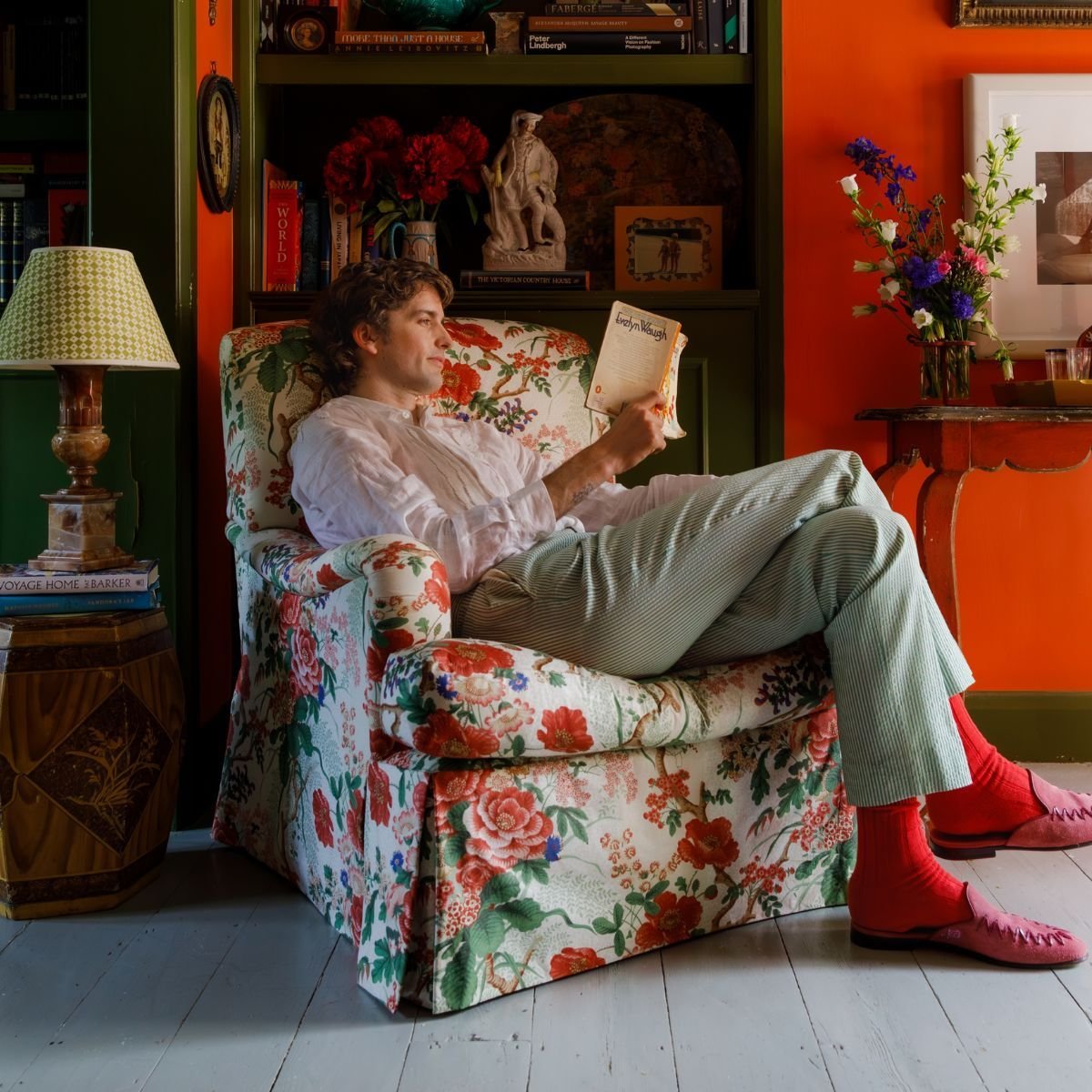
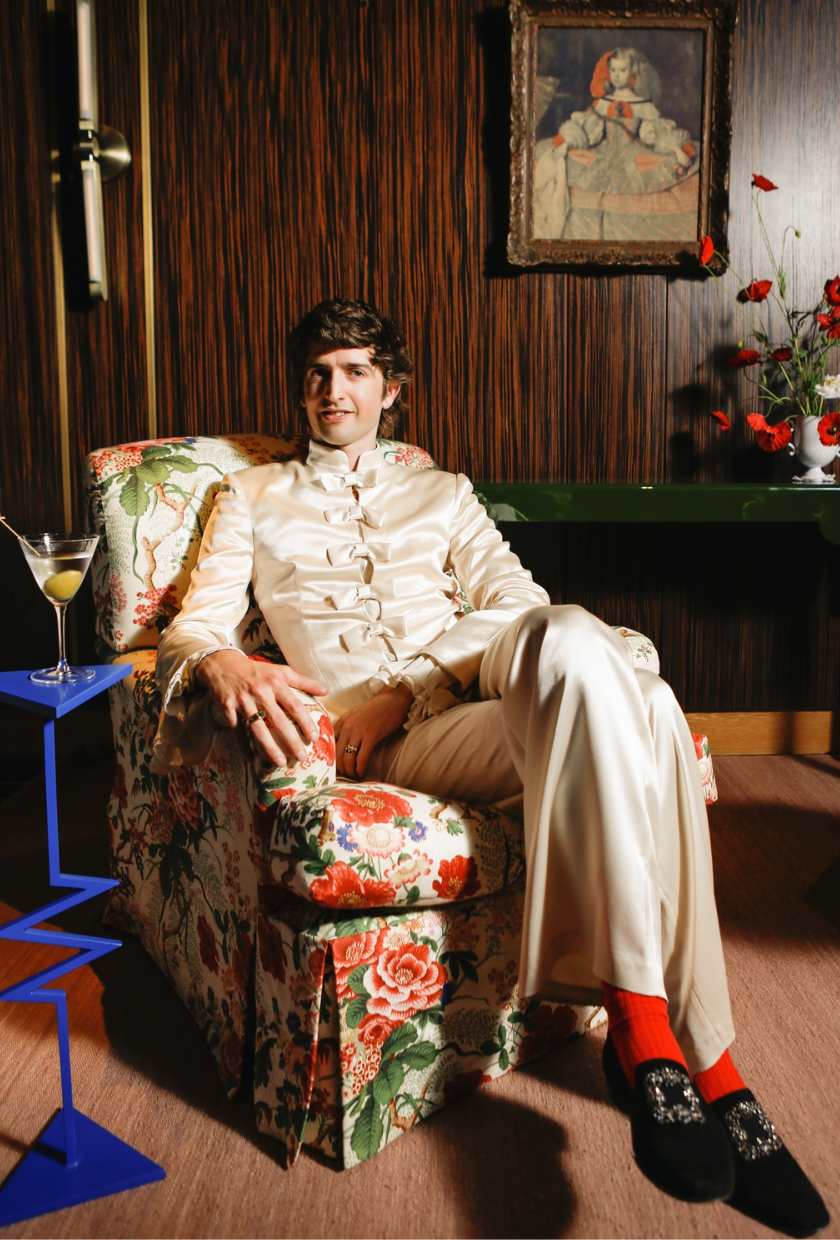
Max Hurd is a Who What Wear UK editor-in-residence and London-based art director, tastemaker, interior stylist and creative consultant. A collaborator and advisor to leading luxury brands including Manolo Blahnik, Farfetch, Asprey, Cartier, H&M and Patrón Tequila, his exuberant aesthetic—which he describes as “Oscar Wilde meets Marie-Antoinette by way of a Brazilian bordello”—enables him to curate, write and create across interiors and culture.
I would hazard a guess that, as you are reading this, you are parked, perched or plonked comfortably in a chair. What kind of chair is irrelevant. The point is that you are sitting in one. We often take chairs for granted or see them as purely utilitarian, yet they form such an essential stitch in the fabric of our lives. Their presence in our homes is often overlooked, but shockingly, chairs only really became part of the furniture, so to speak, 300 short years ago. Before that, we were a species that sat on stools or benches, with even the wealthiest individuals having limited access to backed seating.
It was not until the 17th century that we decided to do something about the orthopaedic harm we were committing every time we wanted to sit down, and not until the 18th century that we considered making them comfortable through upholstery. Finally, in the 19th century, they became mass-produced and commonplace.
Like that apex of chairs, the throne, they have always been considered status items, and as such, over the years, they have been reimagined by some of the greatest creative minds of the past three centuries. Read on for five radically different yet individually remarkable chairs that will not only provide you with somewhere comfortable to sit, but with something beautiful to look at, no matter your aesthetic.
The 5 Armchair Trends That Everyone With Taste Knows About
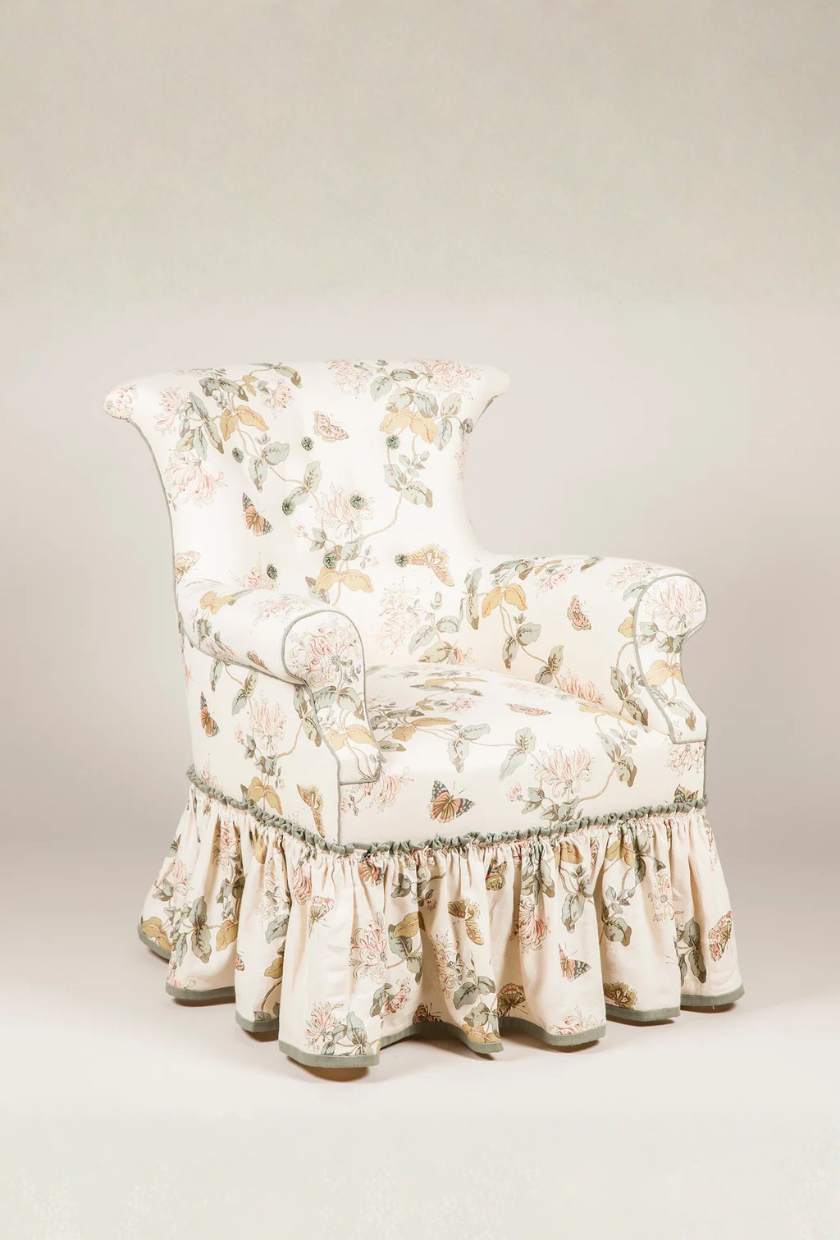
1. Britannic Domesticity
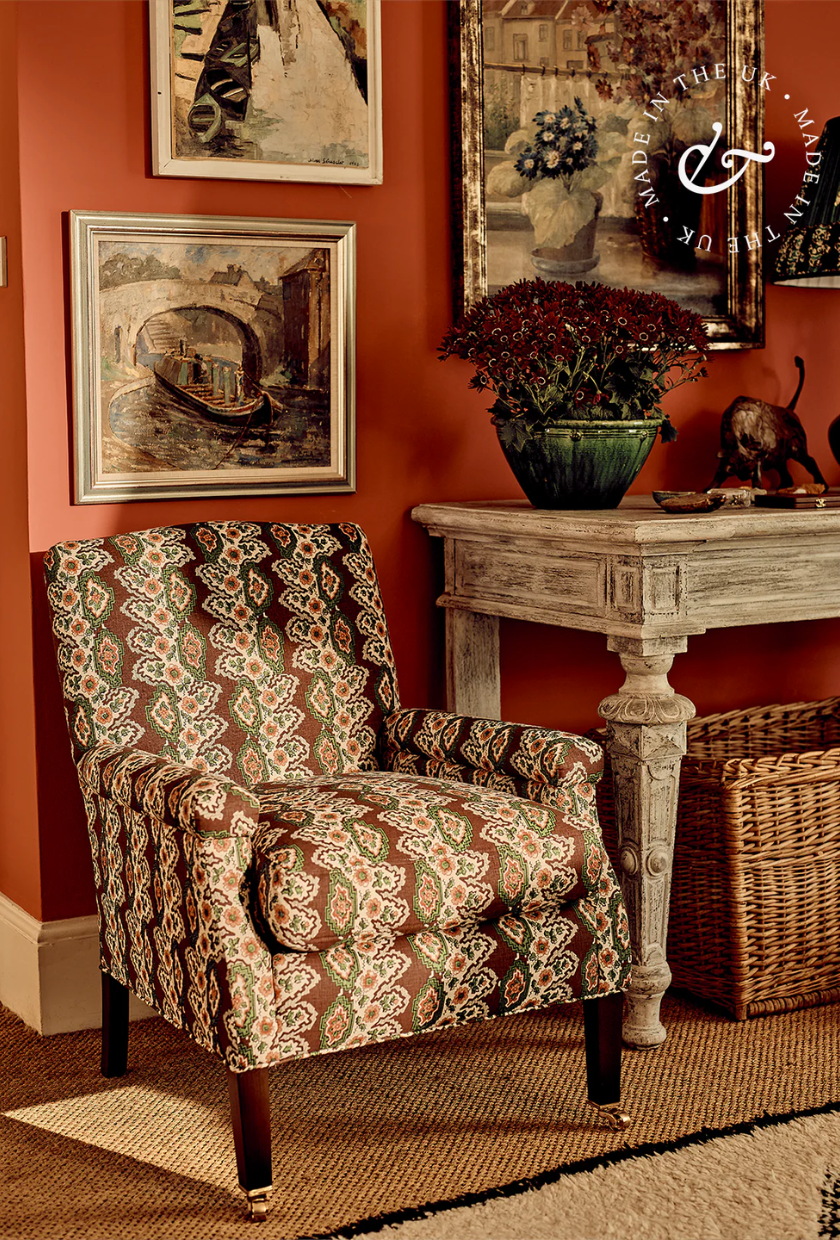
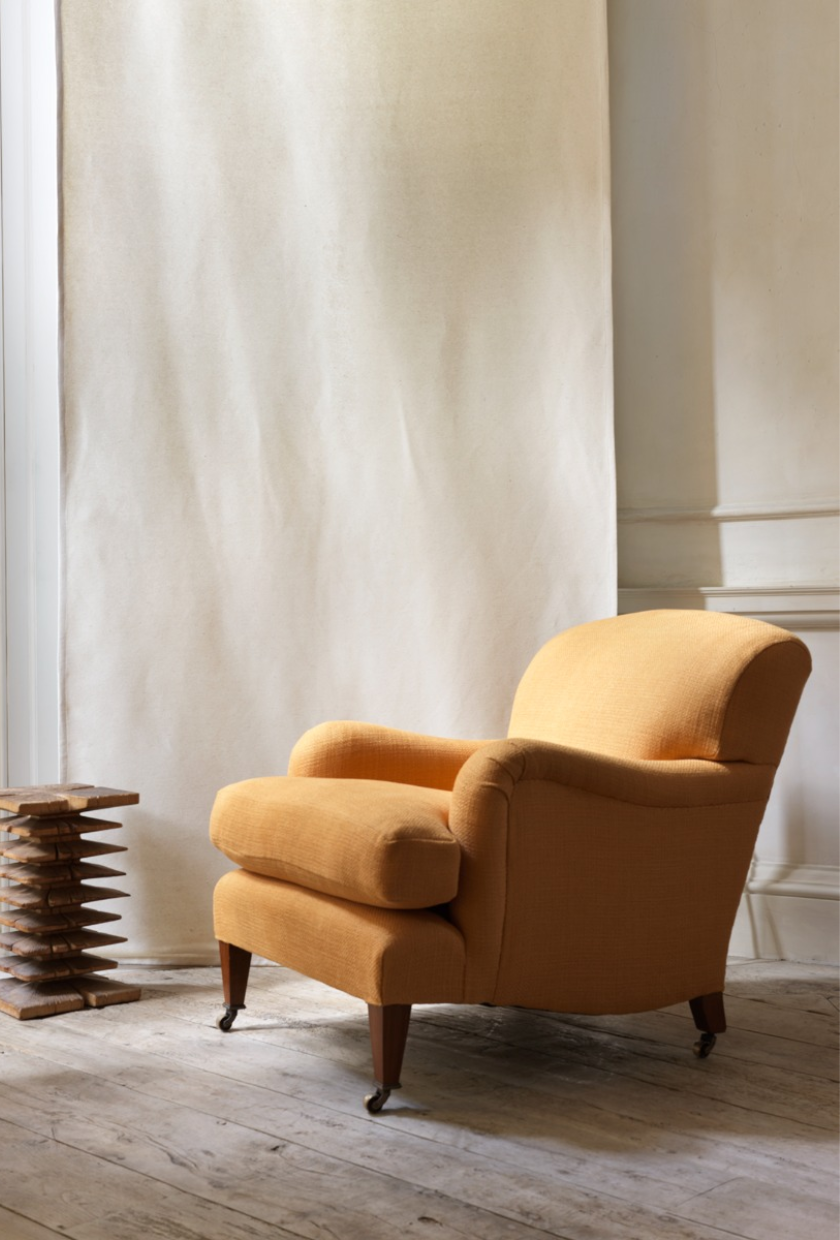
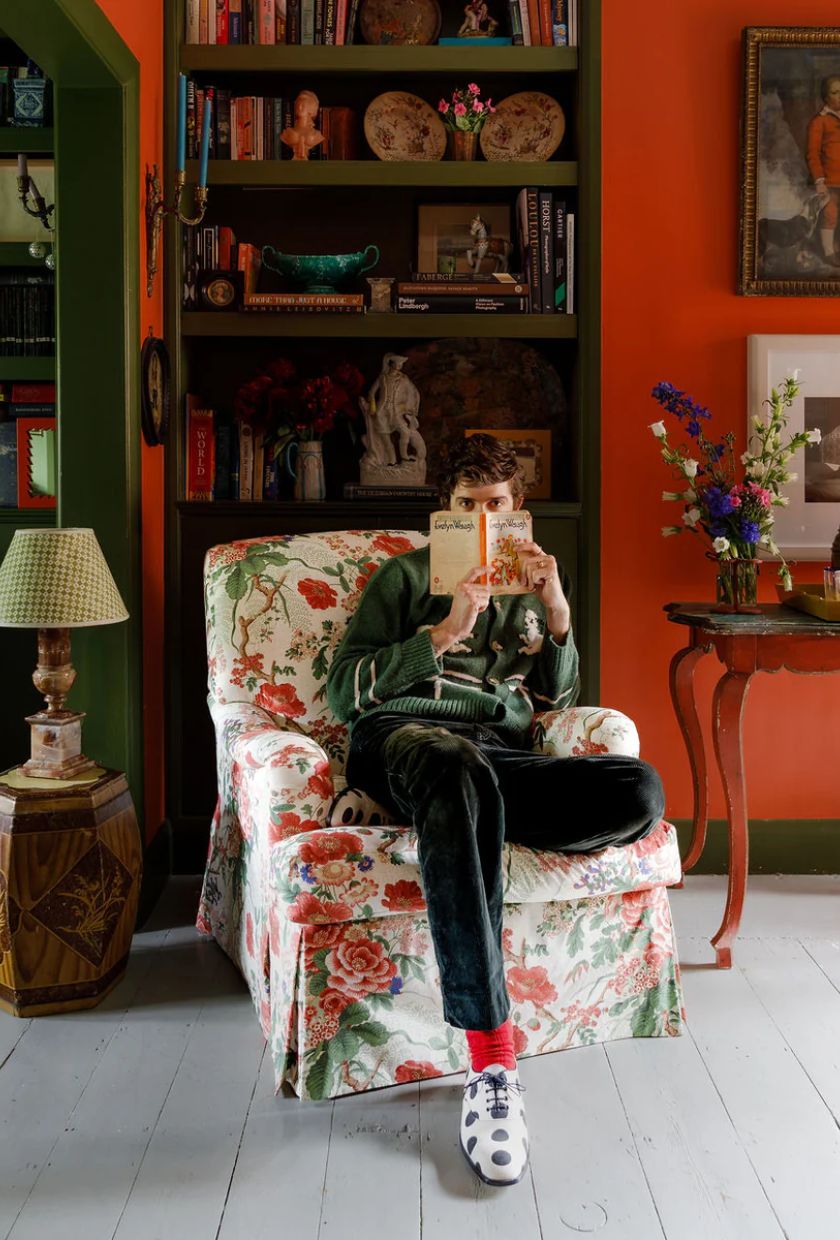
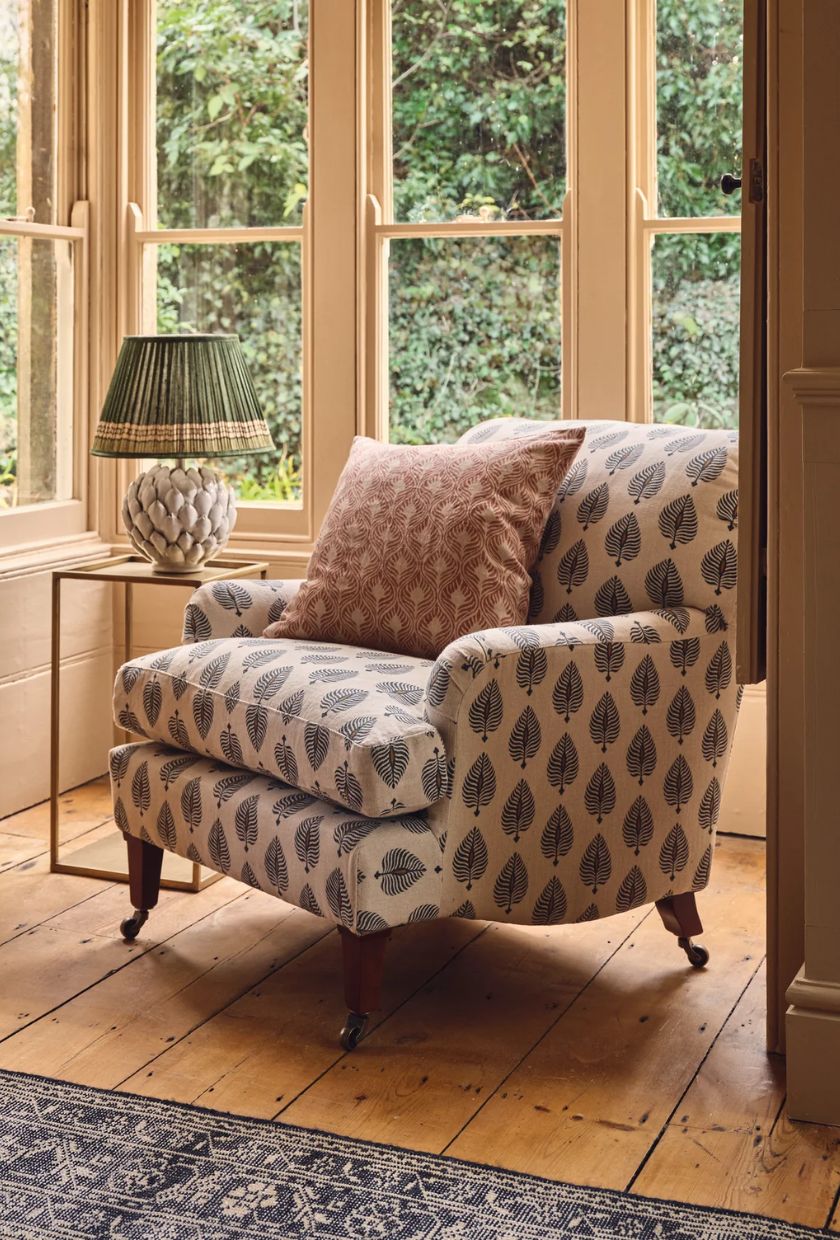
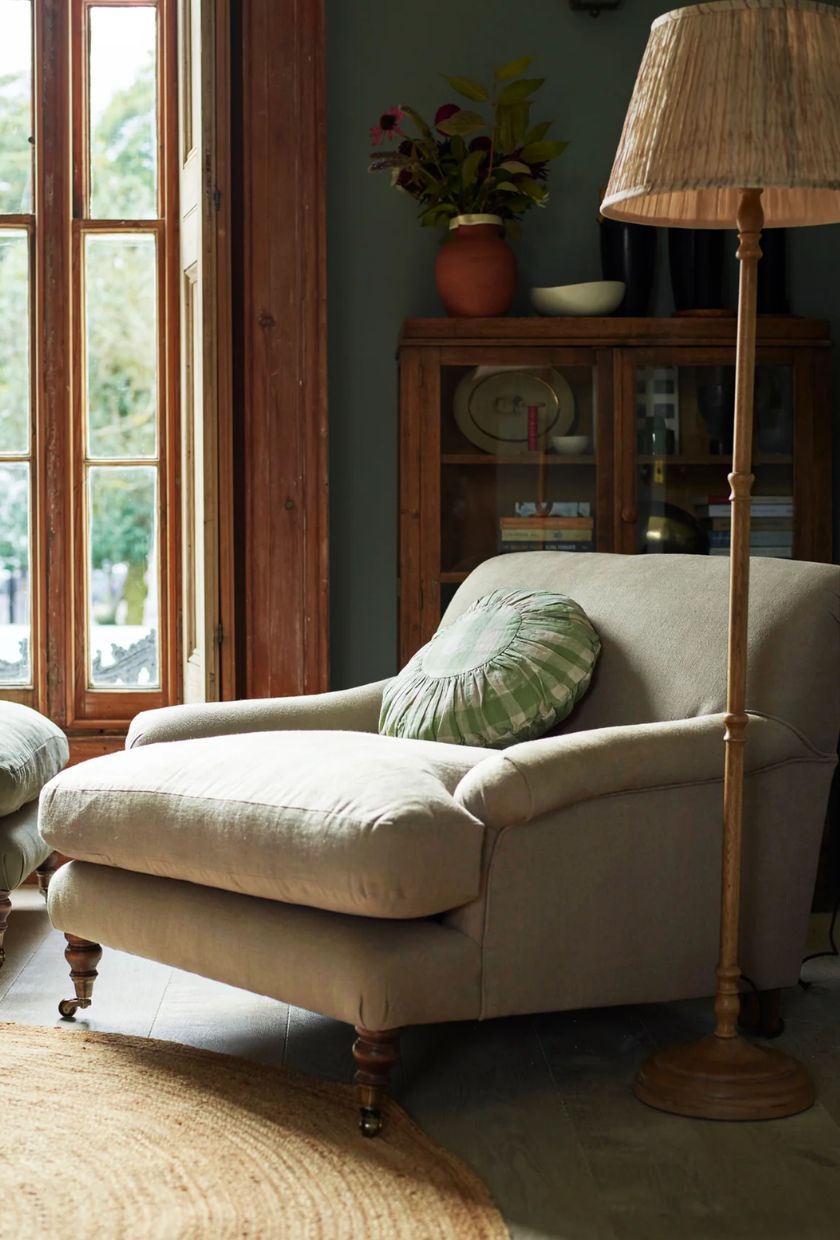
Style Notes: The Bridgewater Chair by Howard and Sons is for lovers of what I often see referred to as “cottagecore”. Now, I am not one for acronyms, mainly because half the time I don’t know what any of them mean—and frankly, I am now too embarrassed to ask—but I believe I am using this one correctly when I say this chair is the G.O.A.T. (Which, for the uninitiated like me, means The Greatest Of All Time.)
In my opinion, it is the blueprint from which all of our favourite armchairs have been copied, and for good reason. It is the last word in comfort and the first word in that quintessential English-country-house aesthetic that never seems to go out of style. They are frighteningly expensive, and even antique pieces that come up for auction—often damaged and unloved—end up going for a small fortune. The reason being that when it comes to furniture, these pieces are truly an investment. A good armchair is a purchase for life, the bones of which can be reupholstered to fit changing tastes in fabric, and can be used and enjoyed in any room, by anyone, of any age. The Bridgewater looks best when well-loved, but it needs to be upholstered properly, so if you end up buying an antique, make sure you are willing to give it the restoration it deserves.
Shop the Trend:
2. Adriatic Opulence
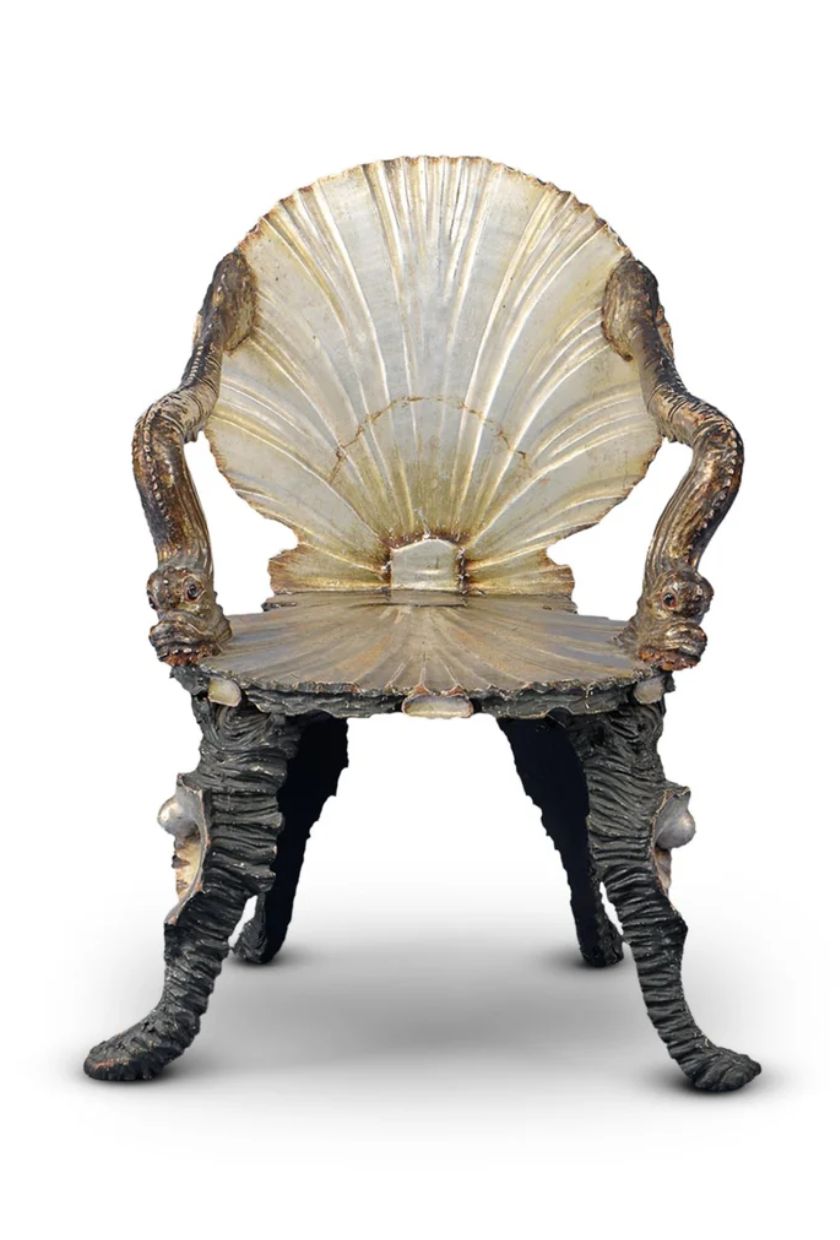
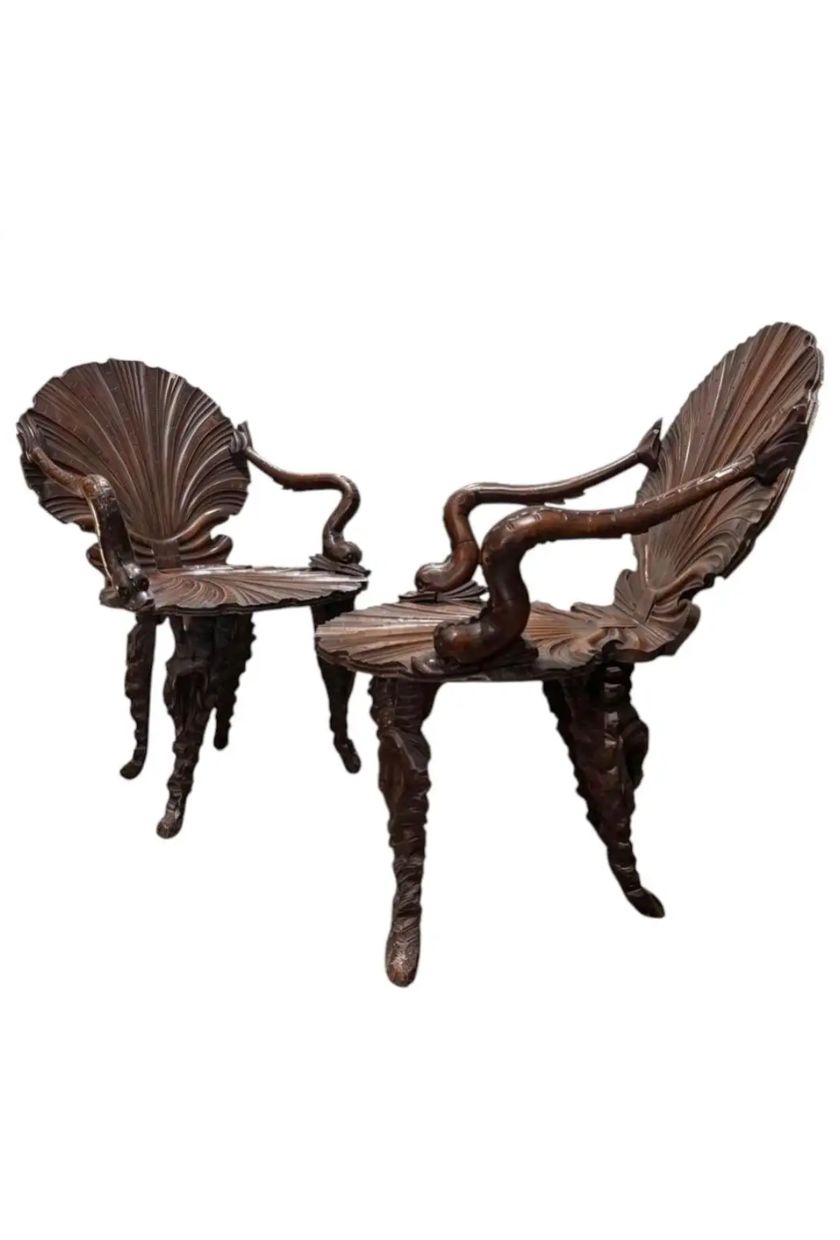
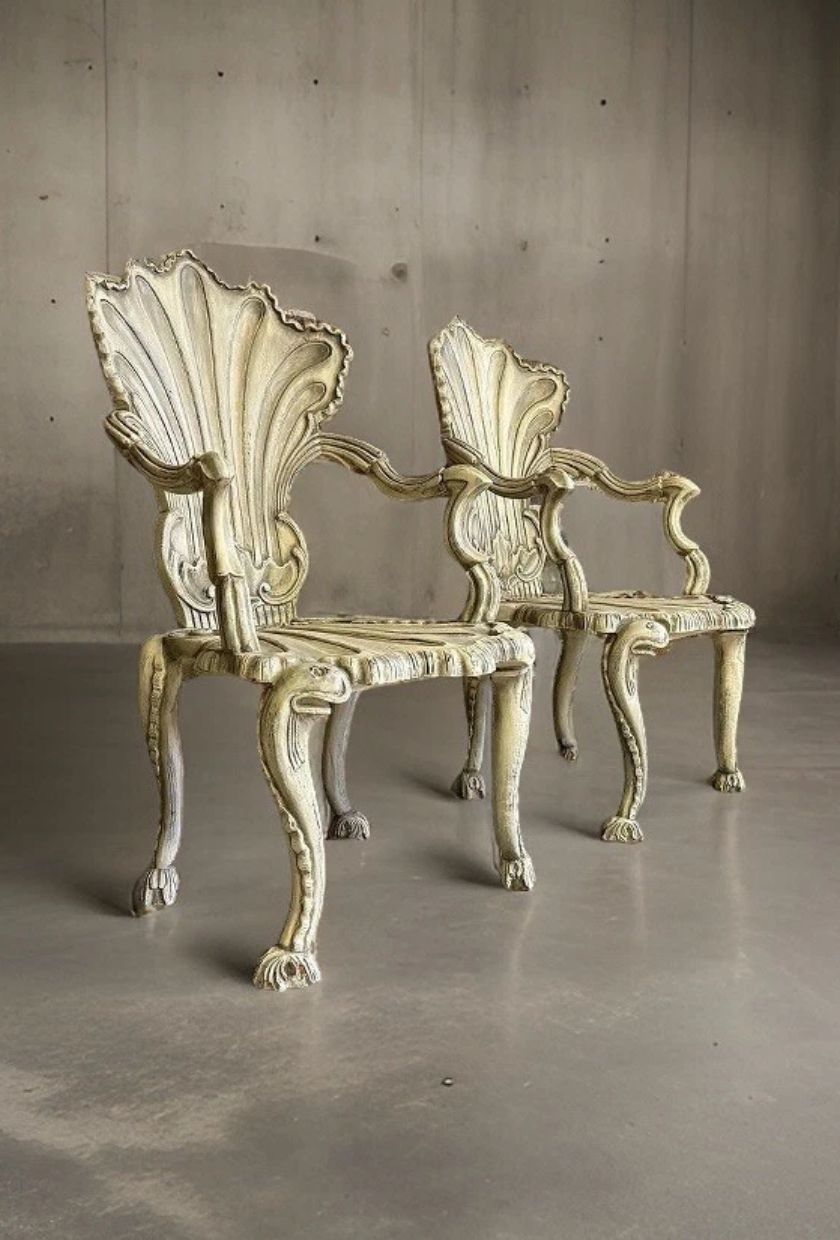
Style Notes: I have spoken ad nauseum about Venetian Grotto Chairs. In my opinion, they are truly the holy grail of interior design and the tiara worn by any maximalist home. They are whimsical, highly impractical and appeal to the Disney Princess in all of us. Popularised in the 19th century by European nobles who had nothing better to do than collect beautiful things, their design was originally inspired by the shell grottos created by the nobility to escape the summer heat during the Renaissance. Like all the most beautiful things, they are purely decorative, which means that actually sitting on them is out of the question.
Now, before you jump down my throat with indignant shouts of “What’s the point of a chair you can’t sit on?”, I hear you. But I promise their showstopping good looks more than make up for their somewhat limited use. On the rare occasion that one comes up for auction, there is always a flurry of activity in the saleroom as eagle-eyed shoppers flock to the “bid” button, despite their impractical nature. So, when parked next to a fireplace, in front of a large window or perhaps with a few choice coffee-table books or a geranium placed on the seat to warn the uninitiated not to sit down, they provide a wow factor that few other pieces of furniture possess.
Shop the Trend:
3. Bauhaus Baby
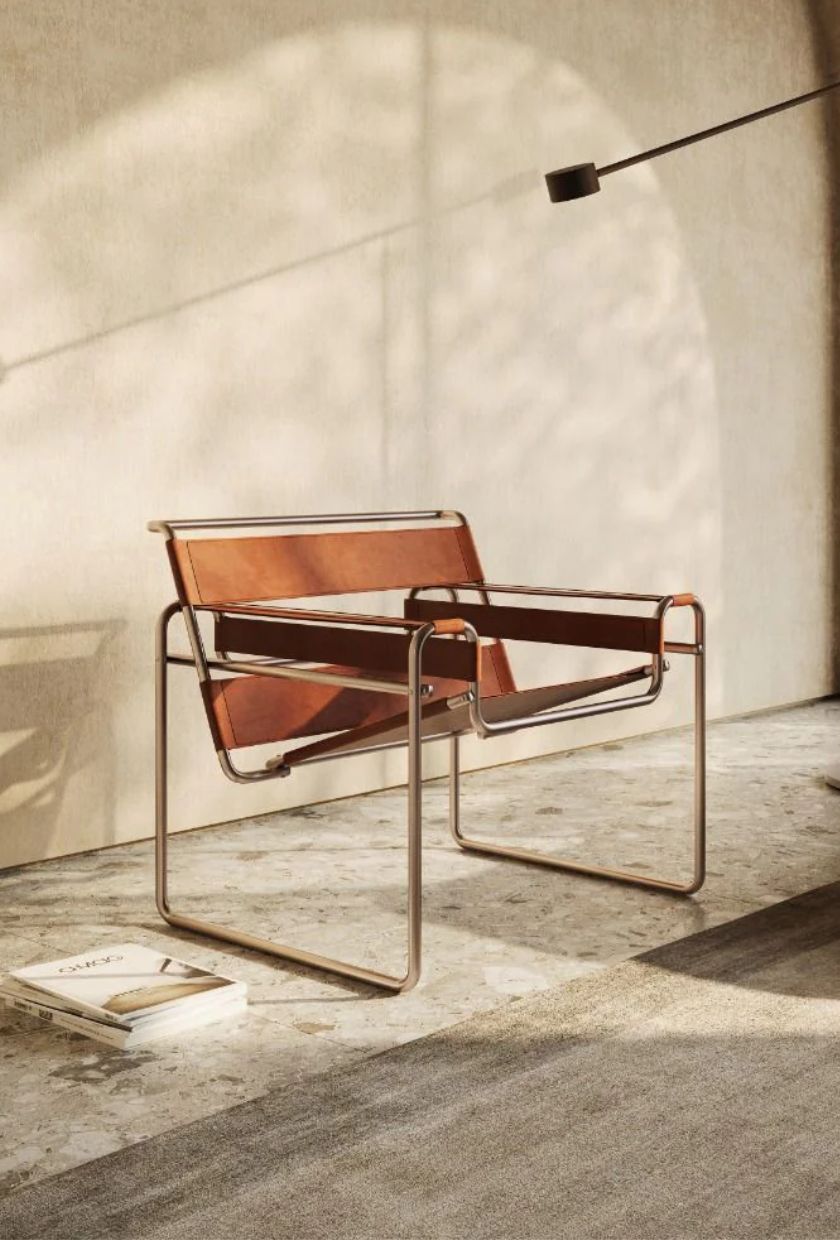
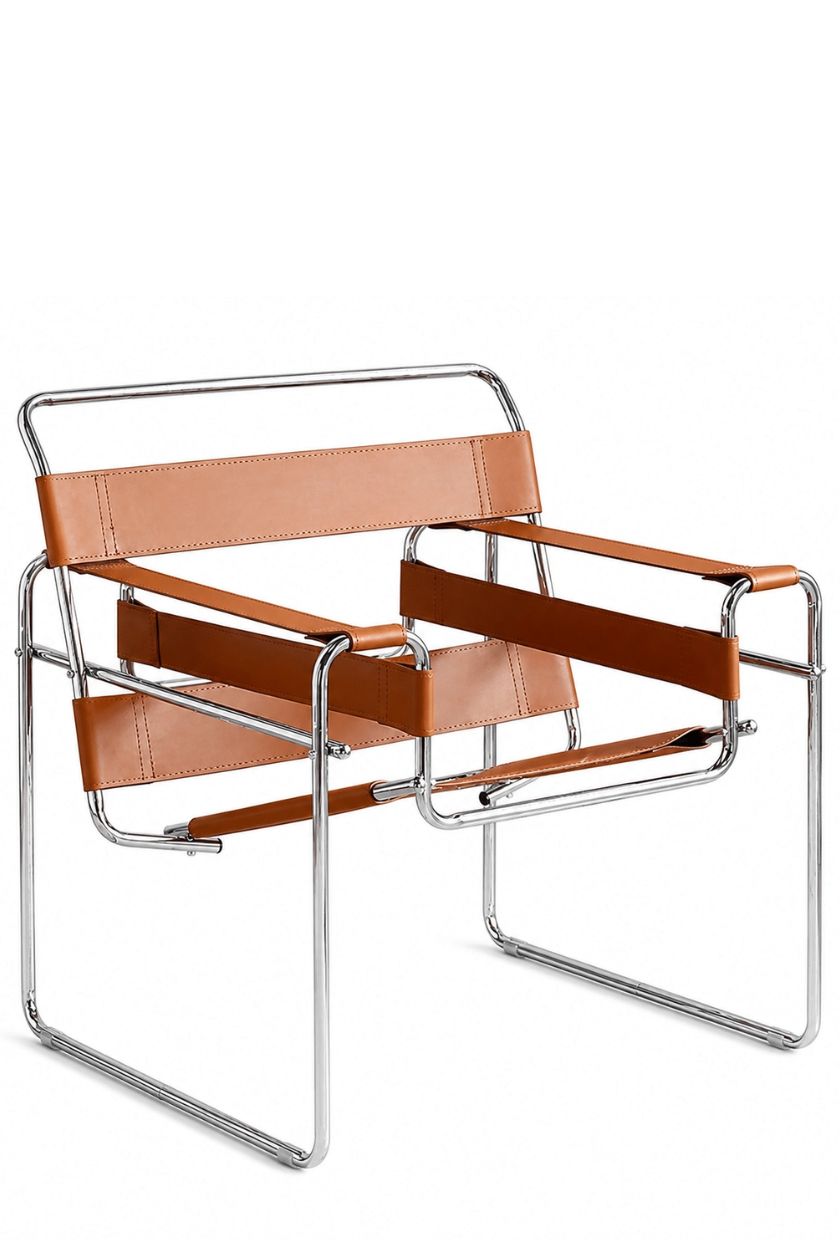
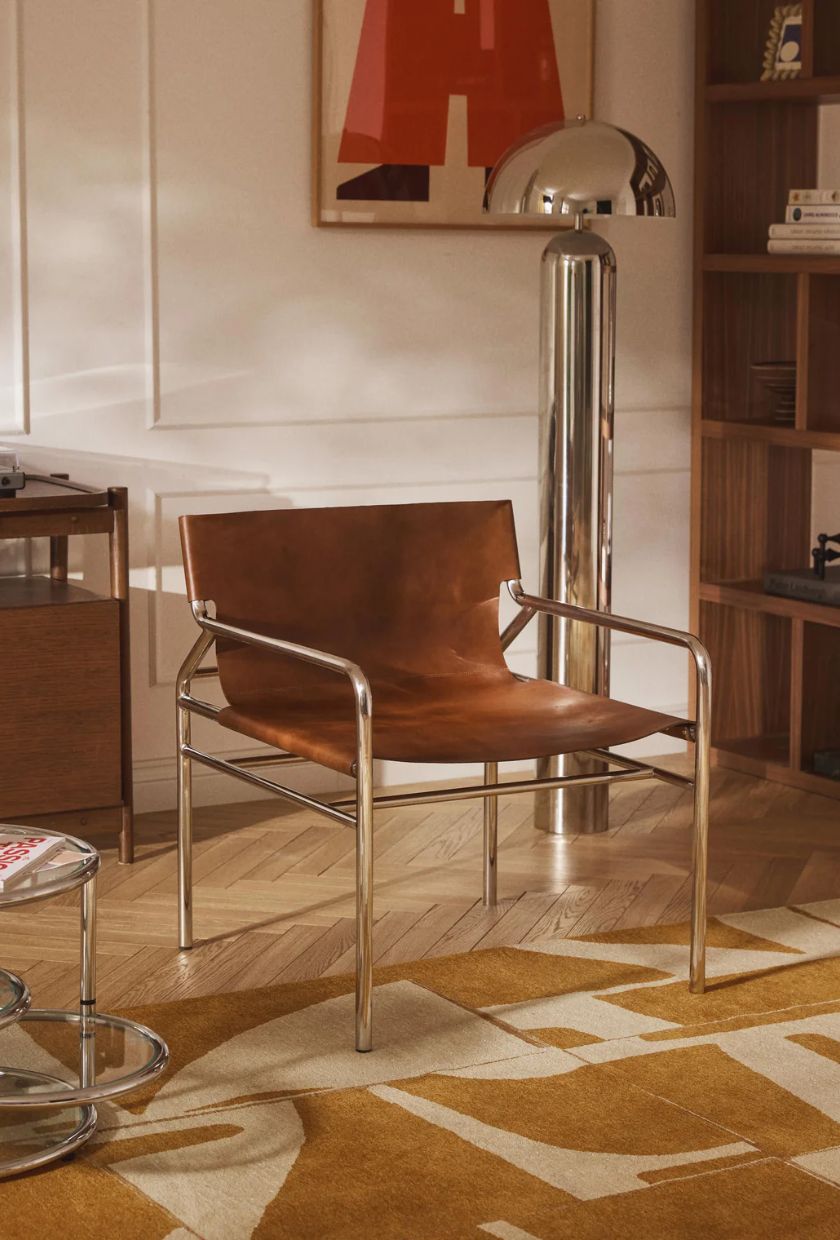
Style Notes: If you have an eye for fuss-free design, you are in the right place. At the other end of the spectrum from the Venetian Grotto Chair sits the Wassily Chair by Marcel Breuer. Contrary to popular belief, this chair was not designed specifically for Russian painter Wassily Kandinsky, but instead inspired by the construction of a bicycle. First produced in the late 1920s, the Wassily, as it later became known, was revolutionary in its blend of form and function and embodied all the elements of what became known as the Bauhaus movement.
Central to the movement’s core beliefs was the idea that “form follows function” (in layman’s terms, no frills), and each product was designed to be mass-produced, rather than in short supply for strictly wealthy individuals. Followers of the Bauhaus movement believed in the democratisation of the arts, and that truly beautiful design came from simplicity. Whilst usually I argue the opposite, that we all need a little magic in our lives, the Wassily Chair is my favourite piece of contemporary furniture. Personally, I find the best rooms are multilayered with inter-period play. There is nothing that dates a room more than focusing too heavily on one decorative style or period. I love to see this chair in a classic sitting room in front of a fire, next to a Howard and Sons armchair with an antique side table in between them, or in front of a Georgian secretary desk as an office chair.
Shop the Trend:
4. Nordic Simplicity
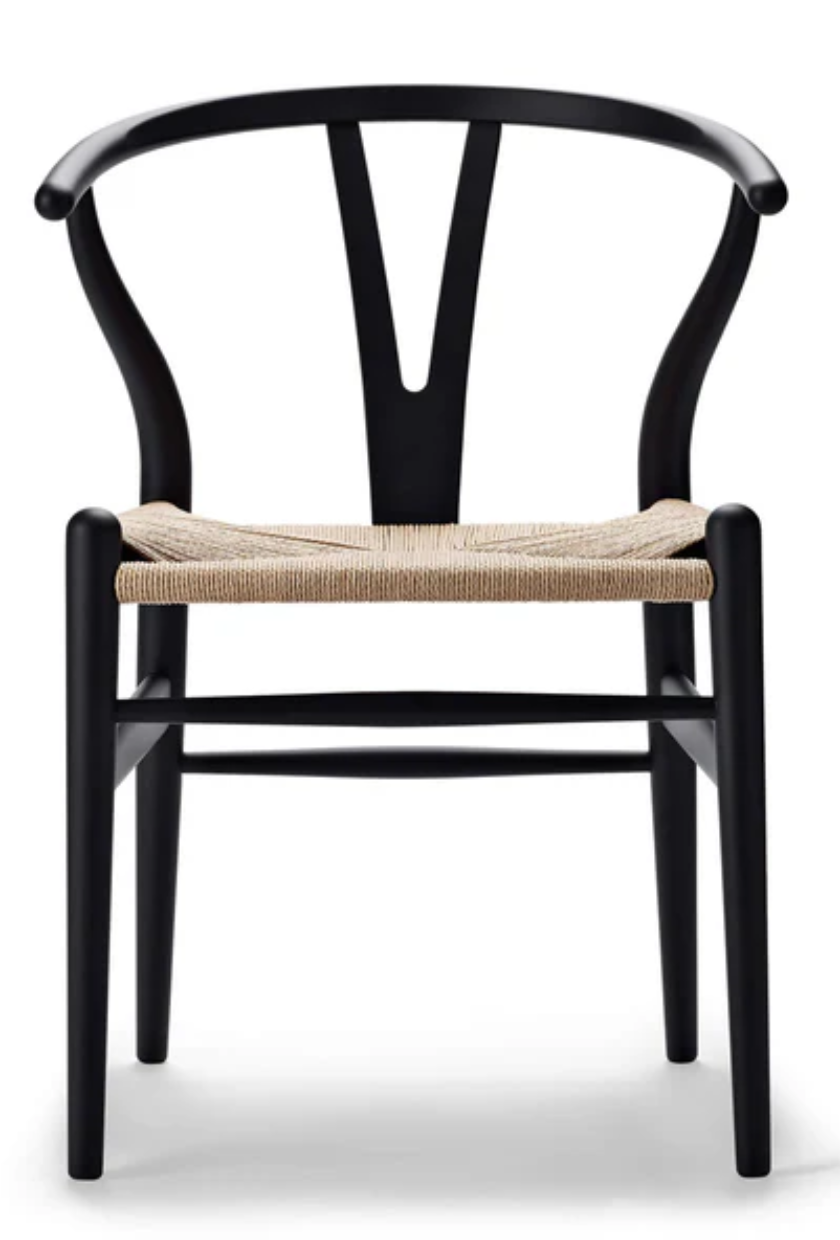
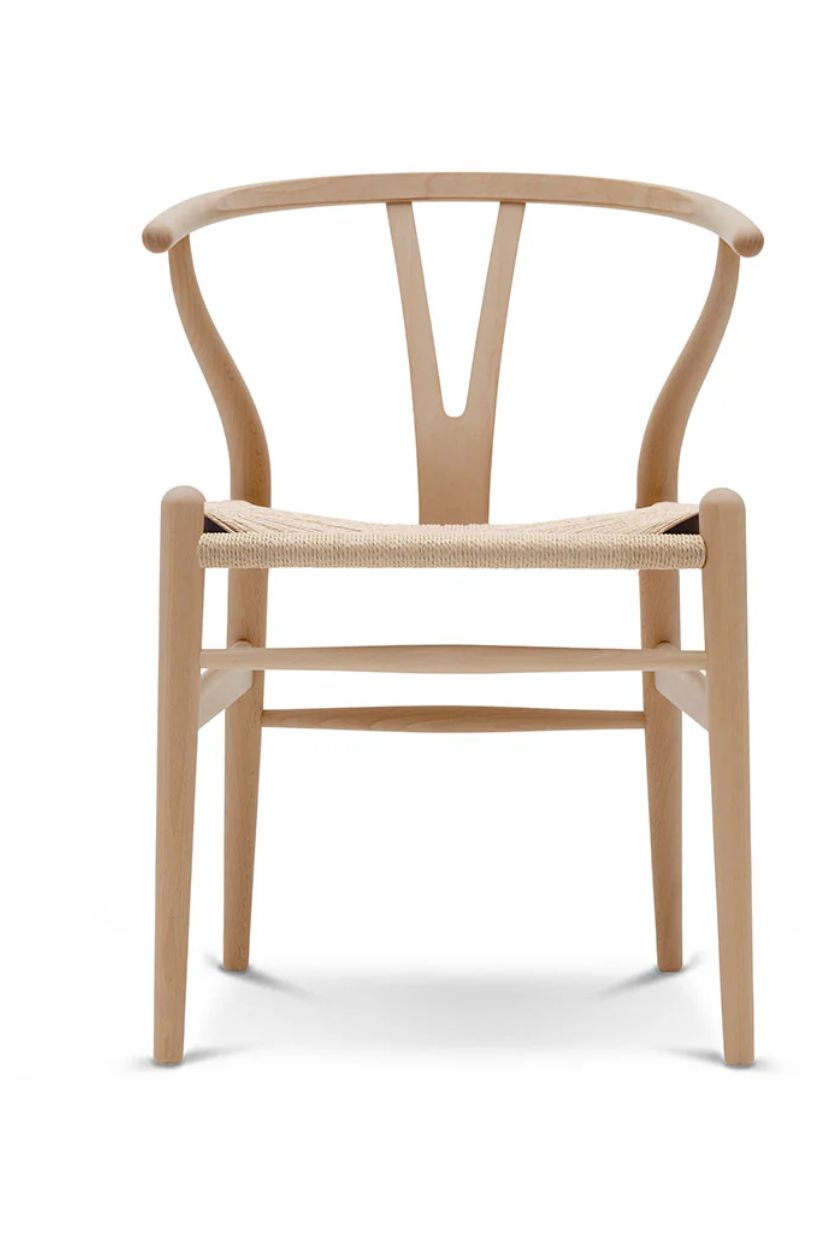
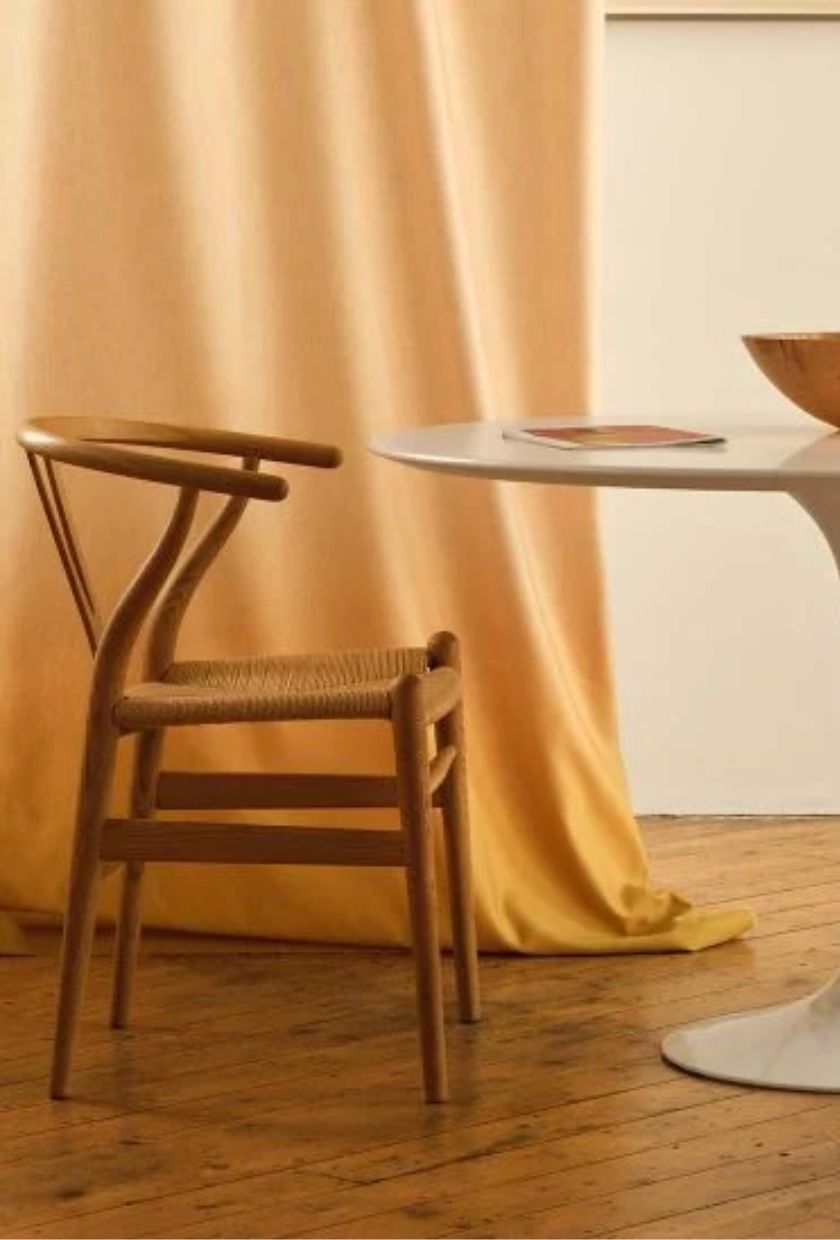
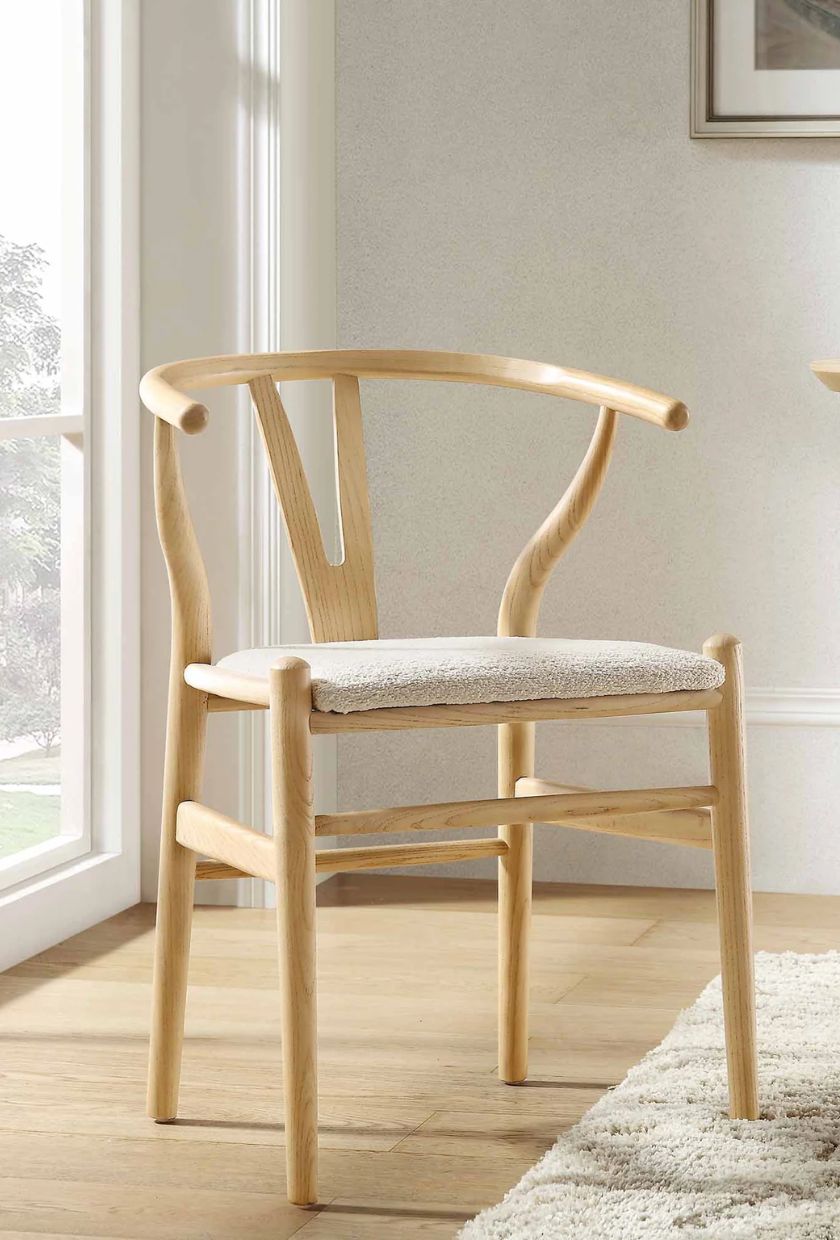
Style Notes: Let’s get hygge with it! Mid-century Scandi design is full of elegant simplicity, and if that floats your handcrafted wooden boat, I would like to draw your attention to the Wishbone Chair. It is Hans Wegner’s best-selling design and has been in continuous production since its inception in 1949. Wegner is one of the pioneers of what we now call mid-century Danish design, whose focus is on organic functionality, whatever that means. (I jest, I know what it means… I think.)
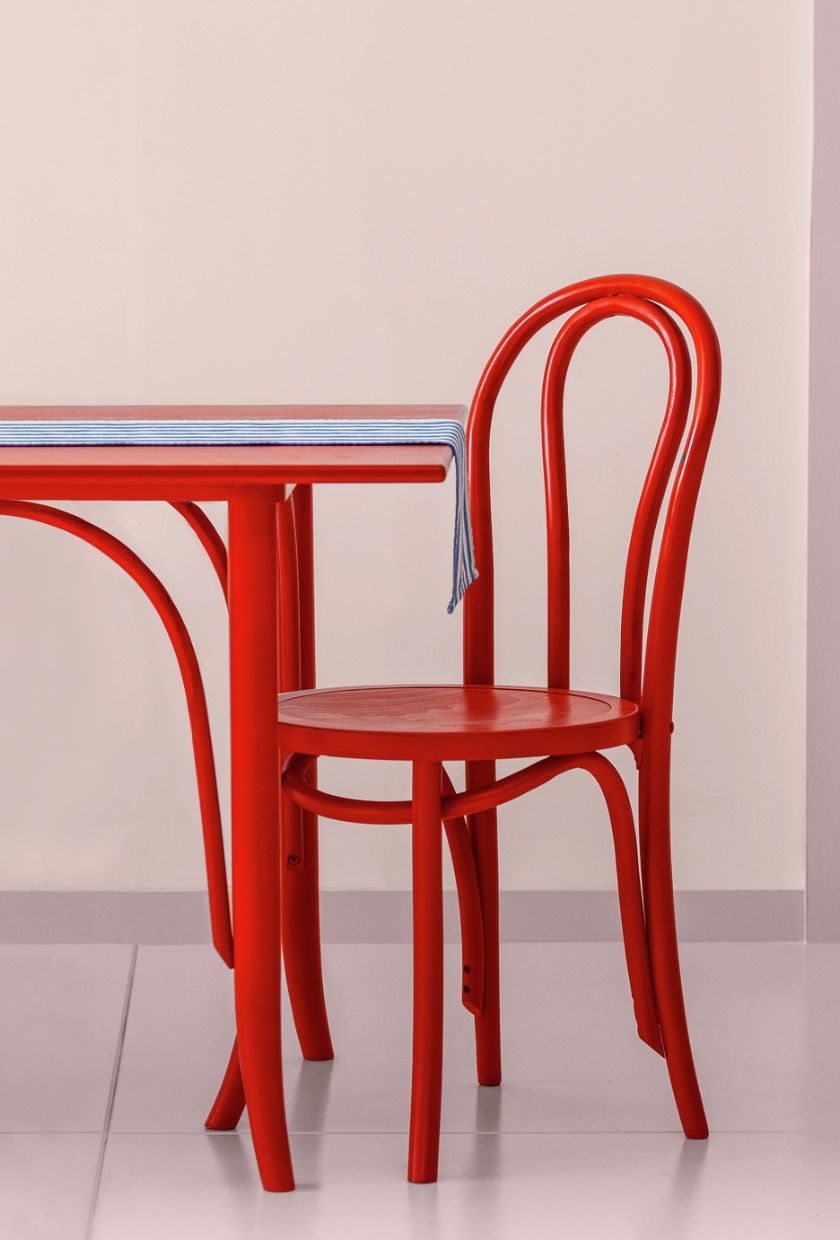
Inspired by antique Chinese chairs from the Ming dynasty, the design has been copied into oblivion, but the original is still the best. People are always surprised when I suggest these chairs for a project, as my aesthetics do not exactly scream Scandi, but I love them as dining room chairs, especially in a bold colour. (Go for red!). I find that they are particularly effective around a “farmhouse” style table, as their inherently modern design can keep the room from tipping too far into country-cottage territory, unless, of course, that’s the goal. They also have the benefit of being comfortable, which, as you settle into hour four of a long Sunday lunch, is a real plus!
Shop the Trend:
5. Modern Bloom
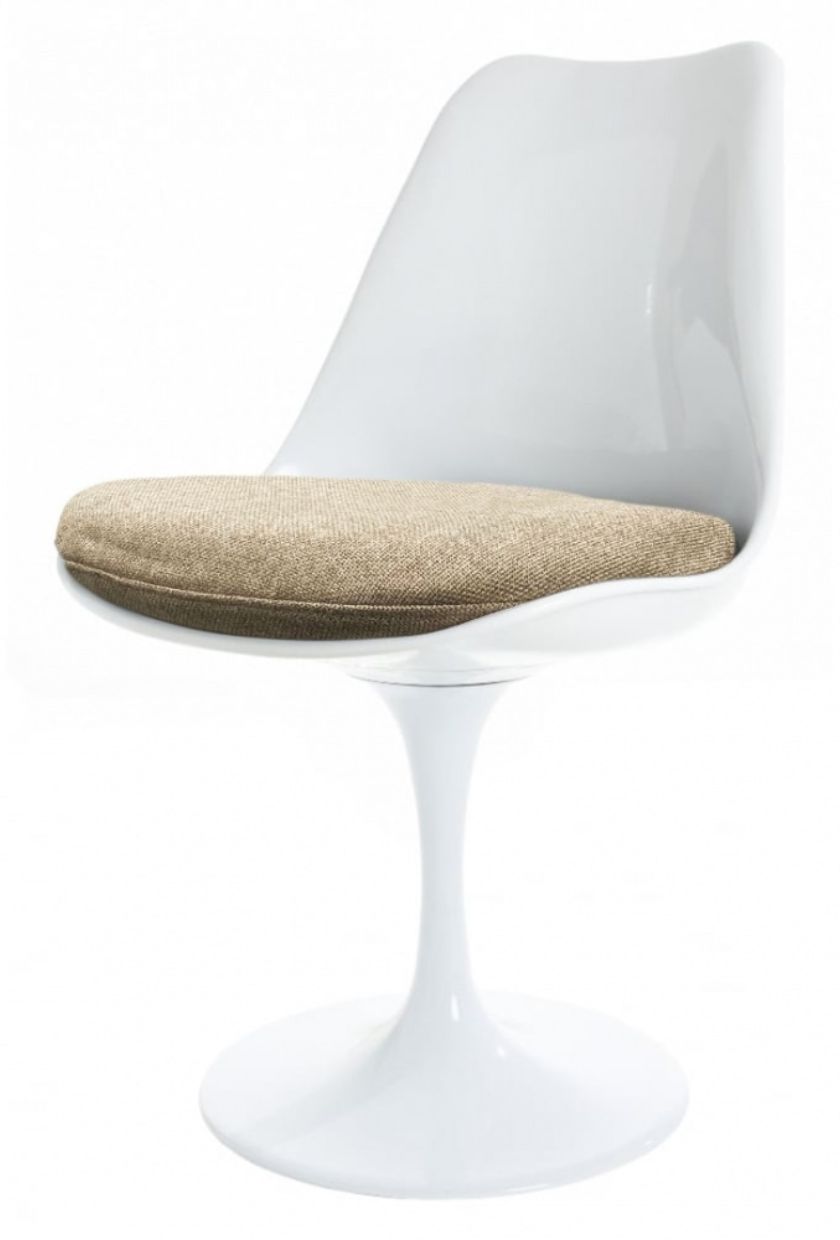
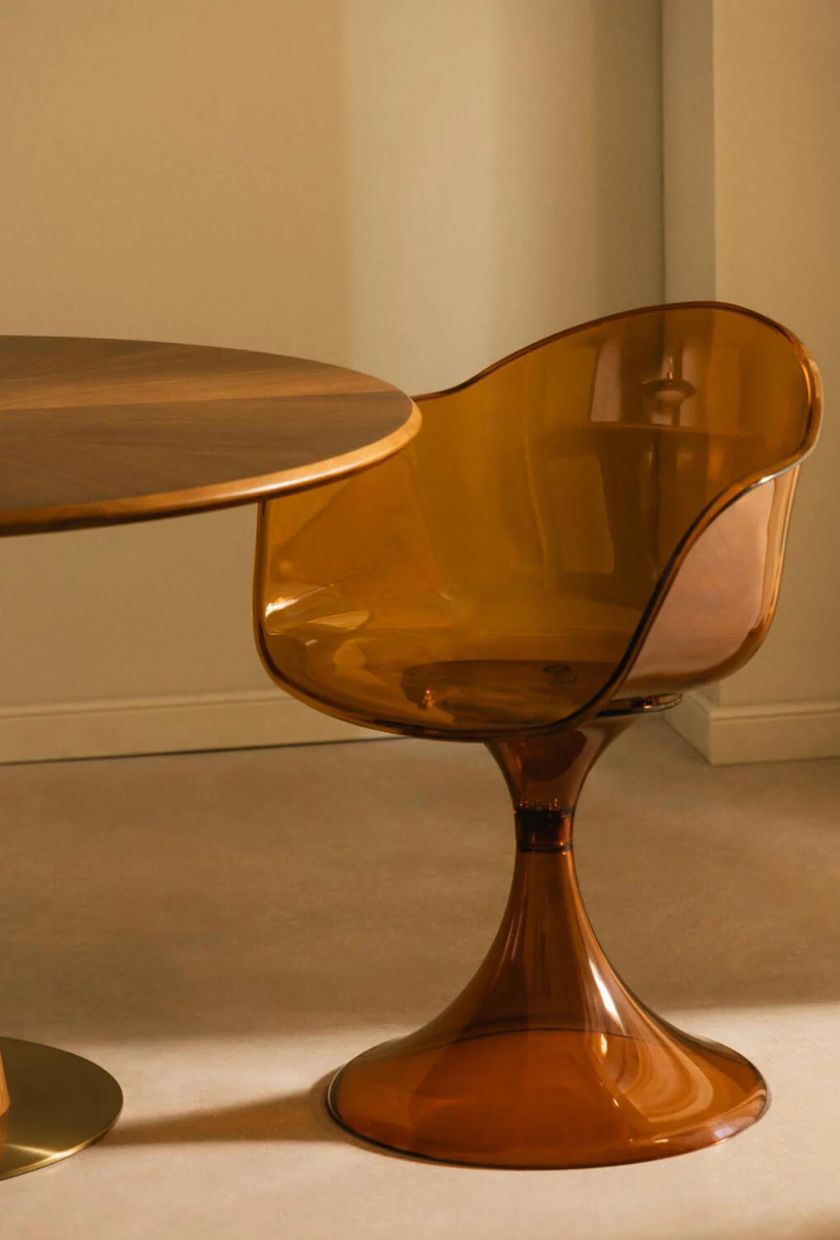
Style Notes: If you dream of the universe but don’t fancy sharing a rocket with Lauren Sanchez, then perhaps you should lean into the “space age” aesthetic that was hugely popular from the ’50s through to the ’70s. Designed in 1956 by Finnish-American architect and industrial designer Eero Saarinen, the Tulip Chair revolutionised modern furniture design. When asked about the inspiration behind it, Saarinen gave perhaps one of my favourite answers in the history of interior design. He said he “wanted to get rid of the slum of legs under the table”, which is a phrase I am not sure even Nicky Haslam could get away with these days.
Jokes aside, the Tulip Chair was the first of its kind and is one of the pinnacles of the “space age” design movement, which to this day features in films set in galaxies far, far away. The single leg allows light to bounce around under a table, which helps lift an area of the room that is otherwise a bit dark and gloomy. These chairs—which by their very nature are alarmingly modern and somewhat cold, like I imagine space to be— work best when they are softened slightly by being placed on a rug made of natural fibres; ideally one with a very thick pile, or made of some sort of faux hide.
Shop the Trend:
Shop More Chic Armchairs