













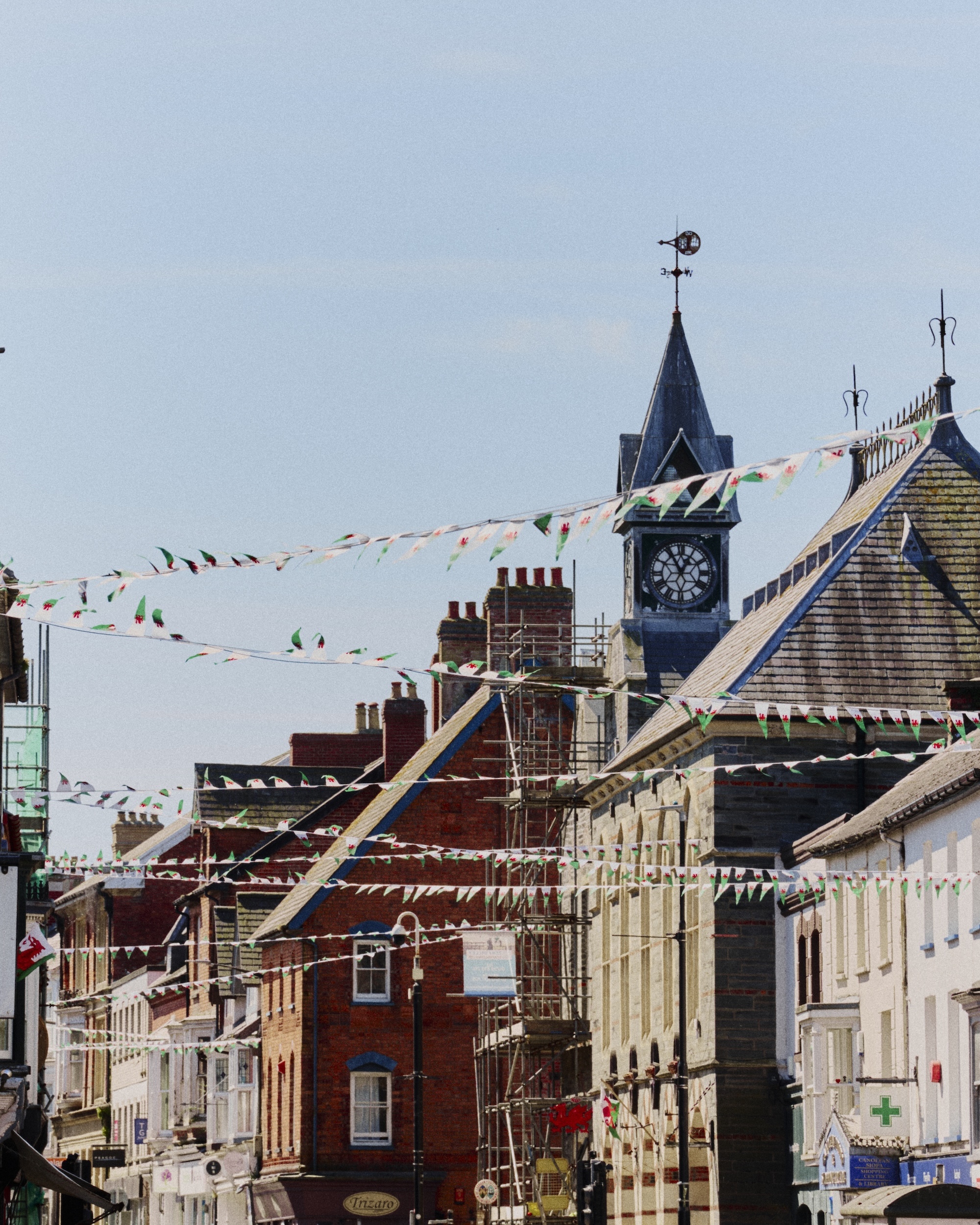
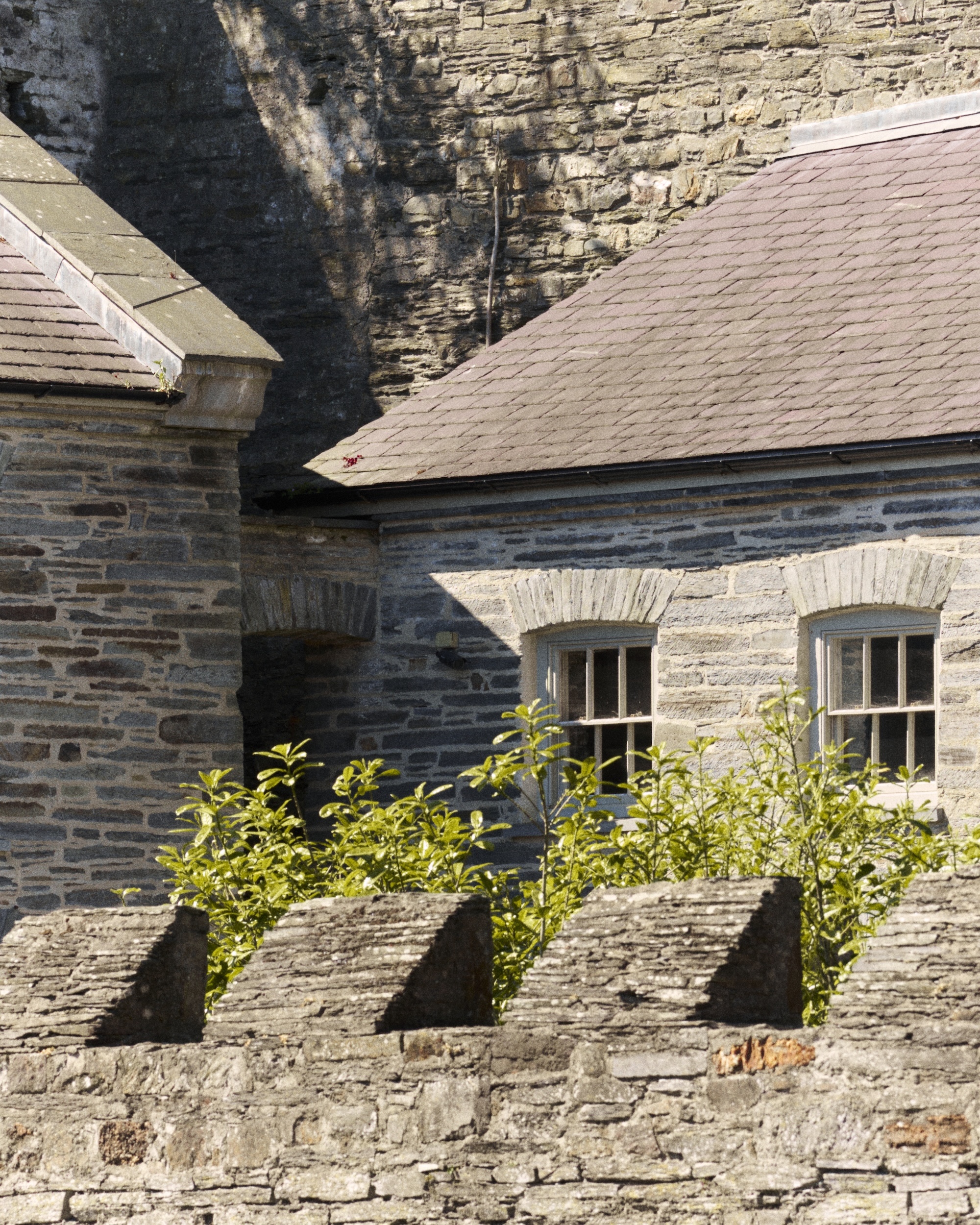
Hiut is a craft-centred jeans manufacturer in Aberteifi (Cardigan), Wales. They make a great product, which we’ll talk about in a moment. But their story is also one that captures a lot about the classic, heritage-focused menswear movement that’s evolved over the past 20 years.
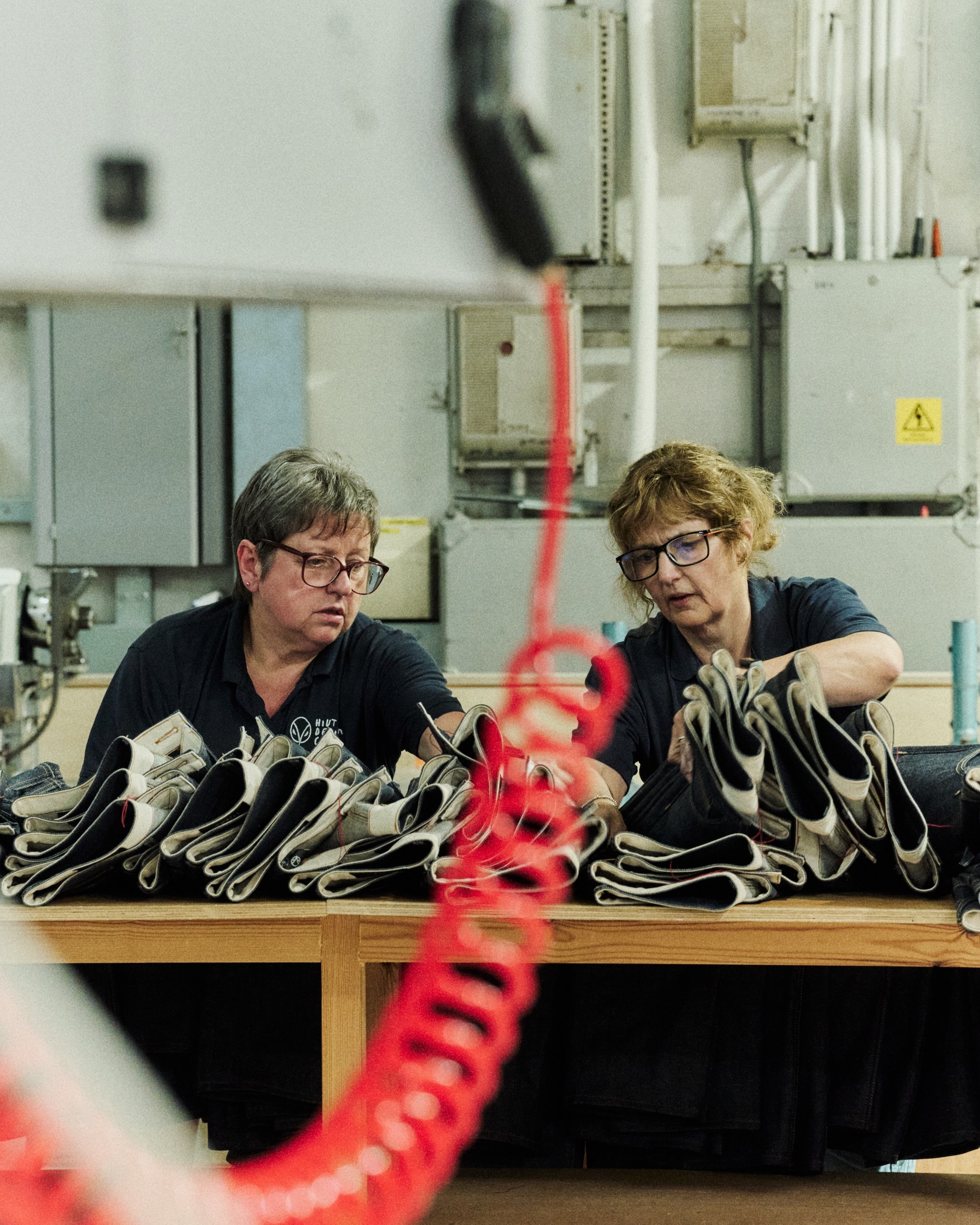
Up until the 1990s, the factory in Aberteifi was making 35,000 pairs of jeans a week, with 400 staff. Their biggest customer was Marks & Spencer and as you can imagine, the business of denim dominated the town.
That all ended in 2002, when M&S moved production offshore. The factory had been trying to cut costs and become as efficient as possible for years – this was not artisanal craft – but eventually couldn’t make the jeans cheap enough.
In 2011, with an idealism that (looking back on it) was typical of the time, David and Claire Hieatt launched a new company to restart production again. It was small, but they were able to re-employ a number of people and get attention from a world that was hungry for craft-based start-ups.
Hiut developed a loyal following, and had some notable viral moments such as when Megan, Duchess of Sussex wore a pair of their jeans. But they remained a small operation occasionally trying out new ideas, and during Covid they got into financial trouble, being forced to ask customers for investment in 2024.
One of those, and eventually the full owners, was the Von Loeper family. Johann Von Loeper now runs the company, and has set about professionalising many elements of it – turning it into more of a fully fledged brand.
When you’re the kind of person that appreciates small product-oriented makers, it’s easy to be sceptical about the idea of professionalising an operation like this, but it makes a difference to lots of ways we don’t necessarily appreciate.
The imagery on the website has improved dramatically for example, making the fits easier to understand. And the fits overall have been re-assessed, then launched as a single range rather than one-offs. On the women’s side, Johann had more than 50 customers try different fits before refining and confirming them.
“The previous women’s jeans were straight and close-fitting, which didn’t work for that many people,” Johann says. “We’ve worked to make a range that is better for different body shapes.
“Overall, the brand had been built in the image of David and Claire, which was a more philosophical approach to business, more about story than product and style. We wanted to update the company to show we could not just make high quality jeans, but design high quality too.”
From my point of view, the biggest design problem they had – and a lot of small denim companies have these days – was washes.
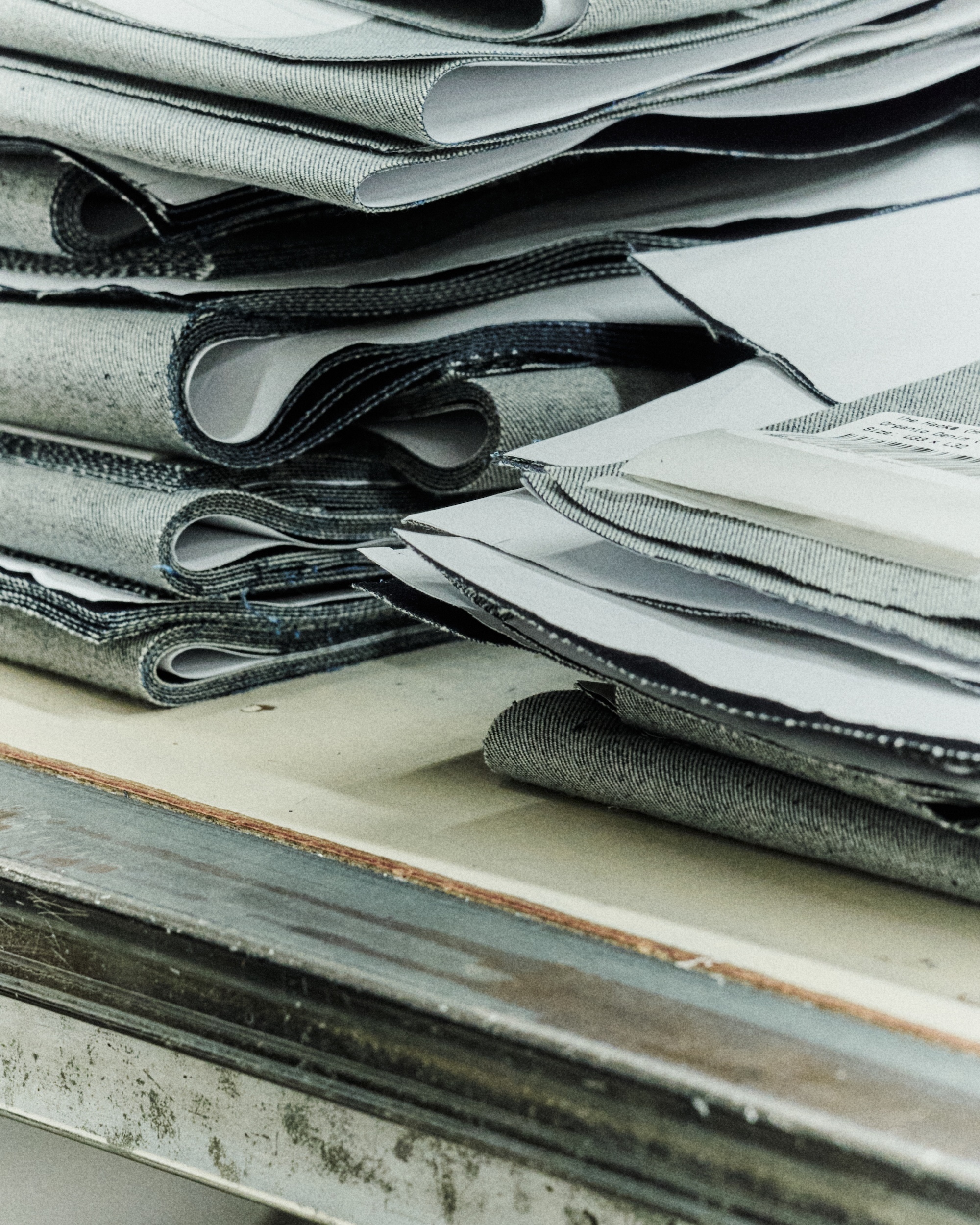
When heritage and authenticity first became mainstream in the 2010s, the idea of buying raw selvedge denim, which was uncomfortable and the wrong size to start with, was fine because it meant a more personal, characterful product in the long term.
But people have less patience for that now, and fashions have moved towards mid-blue and light-blue jeans, which it takes years to achieve if starting from raw.
This is a problem for a craft maker, because washing raw jeans to get to those lighter blues is a whole other type of production, requiring different machinery and skill sets. Some, such as Blackhorse Lane in London, have invested in their own machinery. Hiut started working with LaundRe, who have the expertise but wash in more sustainable ways, in keeping with the Hiut philosophy.
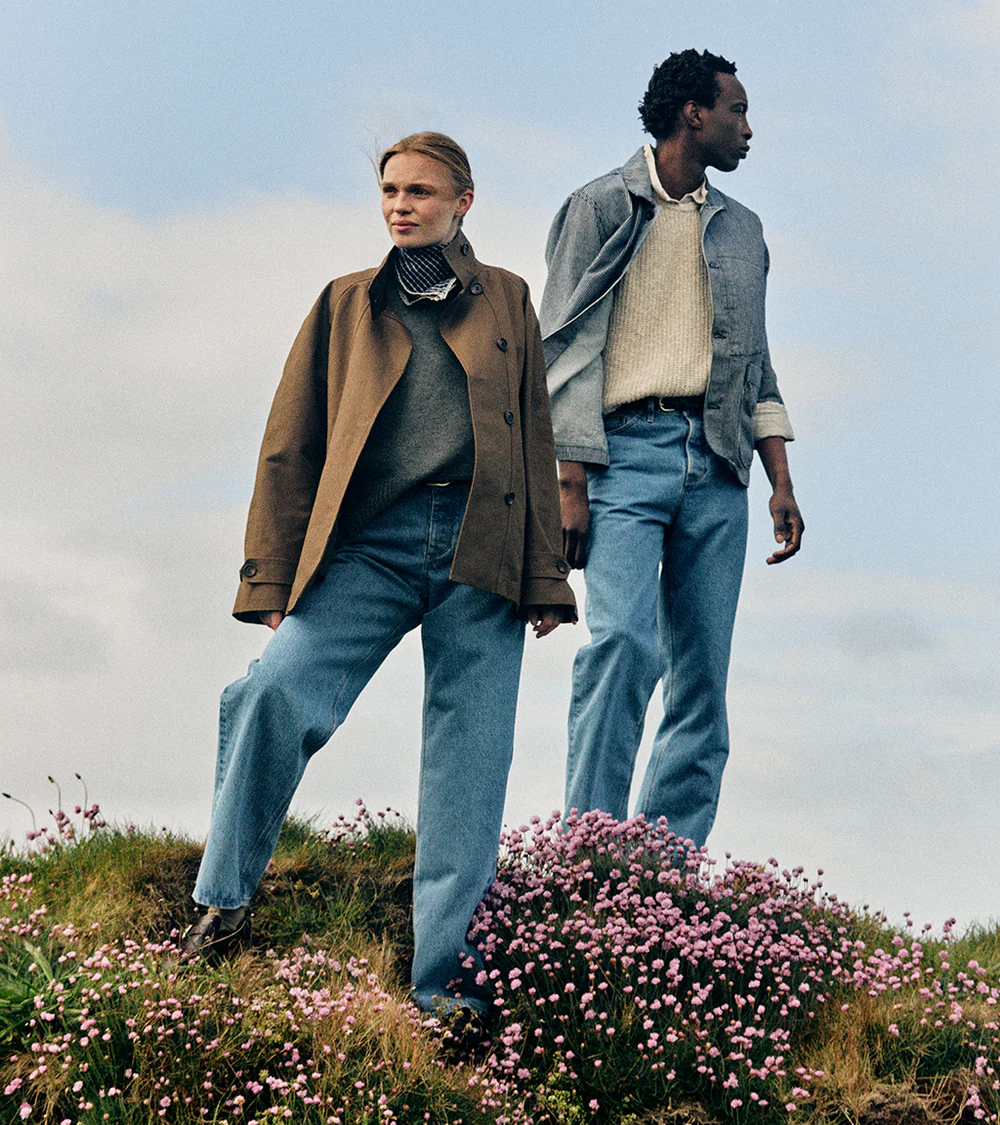
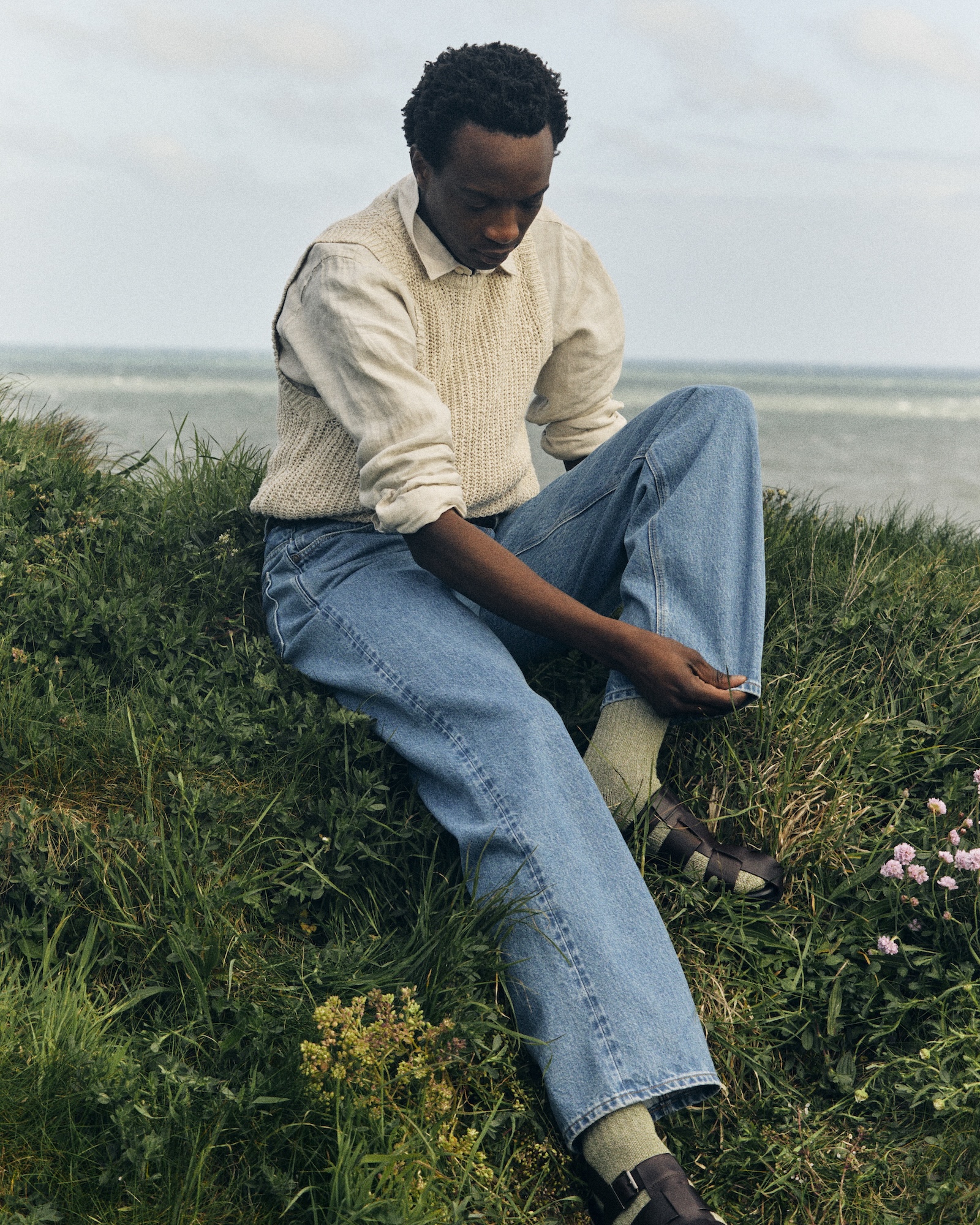
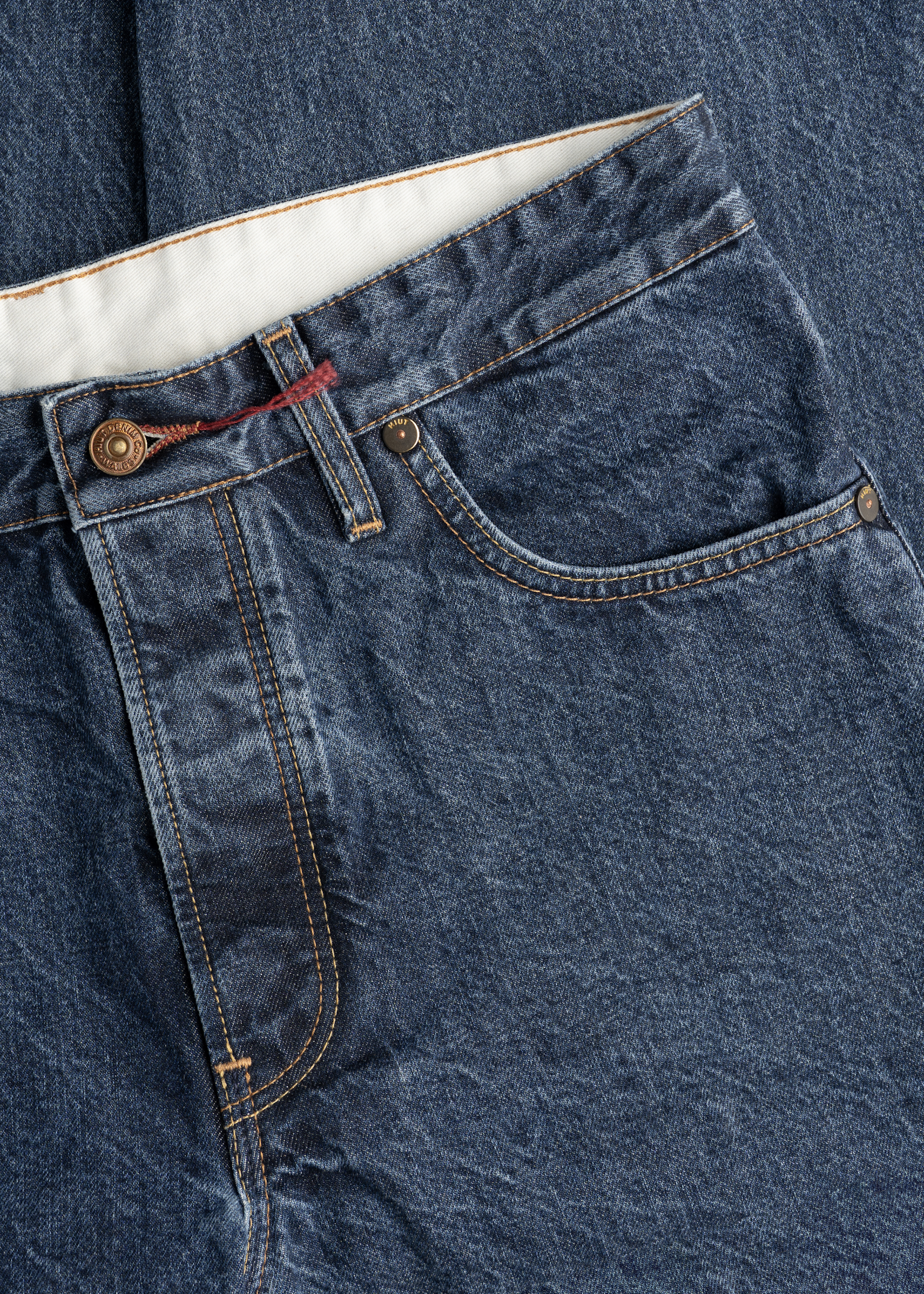
Hiut just launched their first washed jeans – a pale blue called Summer Wash Selvedge – and are planning to introduce a mid-blue at the end of July.
Denim washes involve a conscious design choice, and Hiut have gone for quite a plain version without strong fades and whiskering. This puts them closer to some mainstream brands and away from the repro brands such as Full Count, who tend to go for more extreme versions, recreating vintage pairs.
“We wanted to go for that plain wash because we want customers to still get their own fades over time on the jeans,” says Johann.
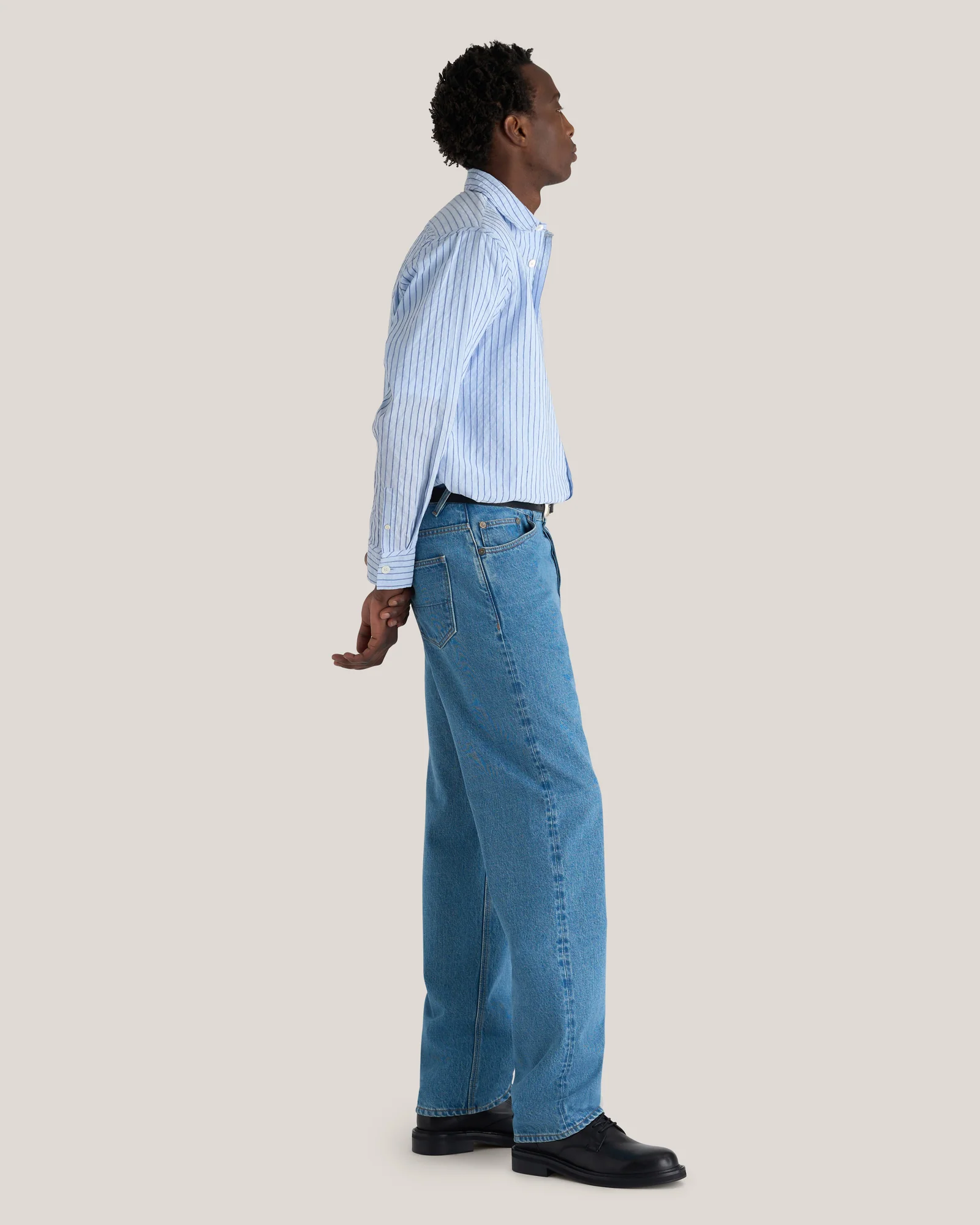
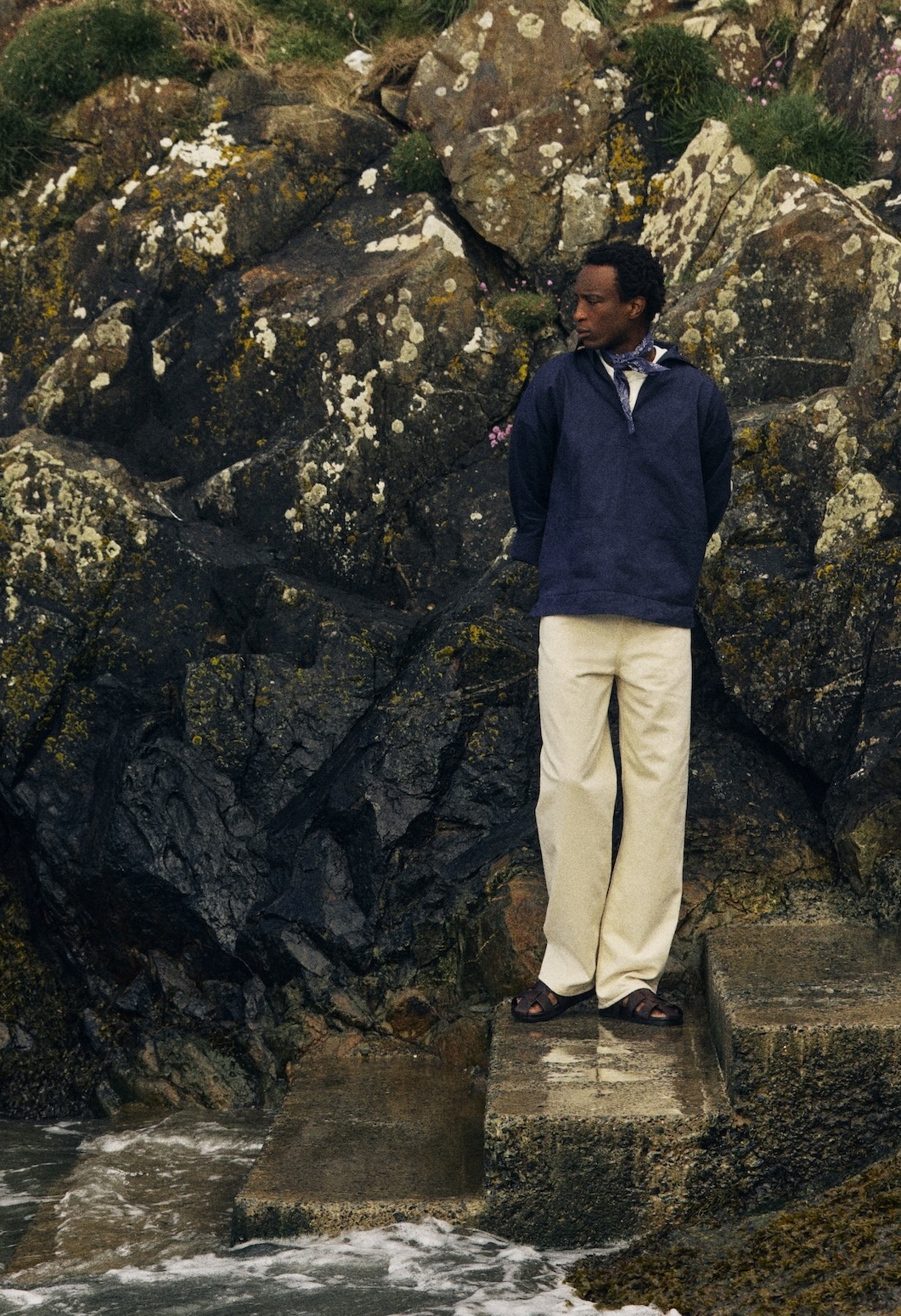
Most of the range at Hiut was also relaunched last year, with a particular focus on wider and higher-rise fits: more in line with tailoring styles, interestingly, from their point of view.
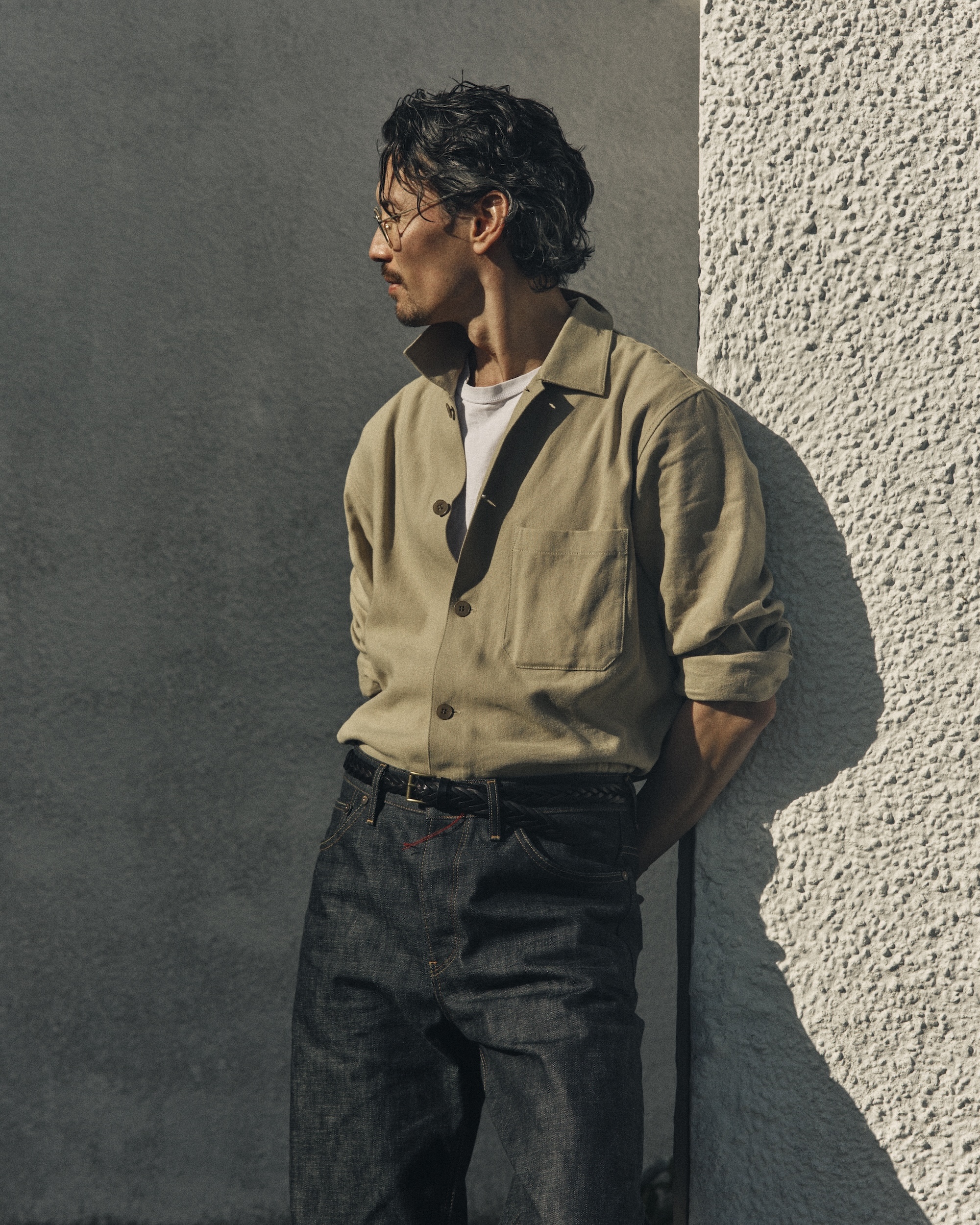
Lucas and I tried a few of the models, and he settled on the wide Jerald while I liked the tapered Benjamin.
I have been trying wider-leg jeans recently – such as the Rubato Lot 2 and Bryceland’s 133 – and was interested to try the Jerald too, but found it a little too wide for me. Lucas however, who is broader than me and wears wider fits generally, liked the Jerald. He had it made in an ecru denim.
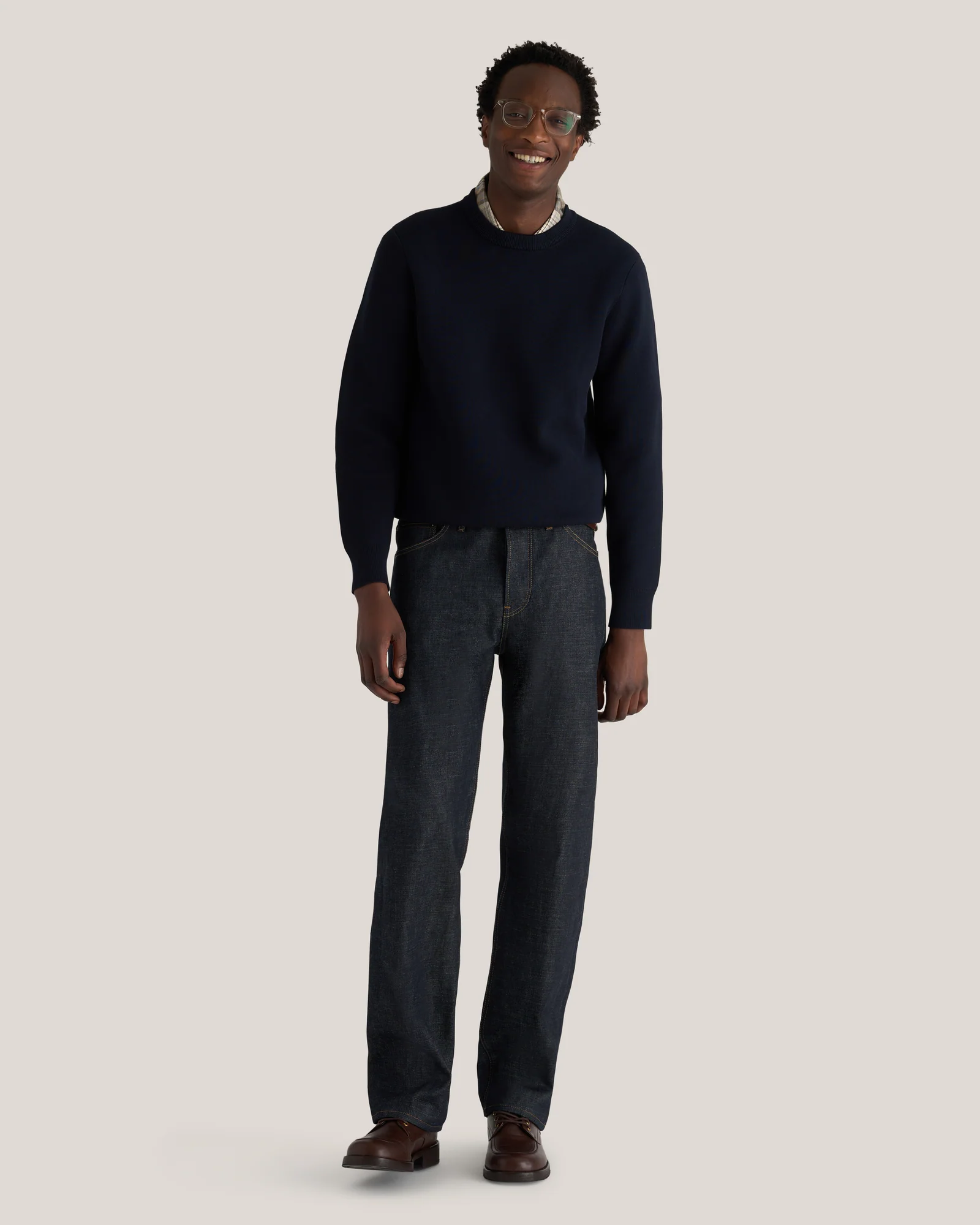
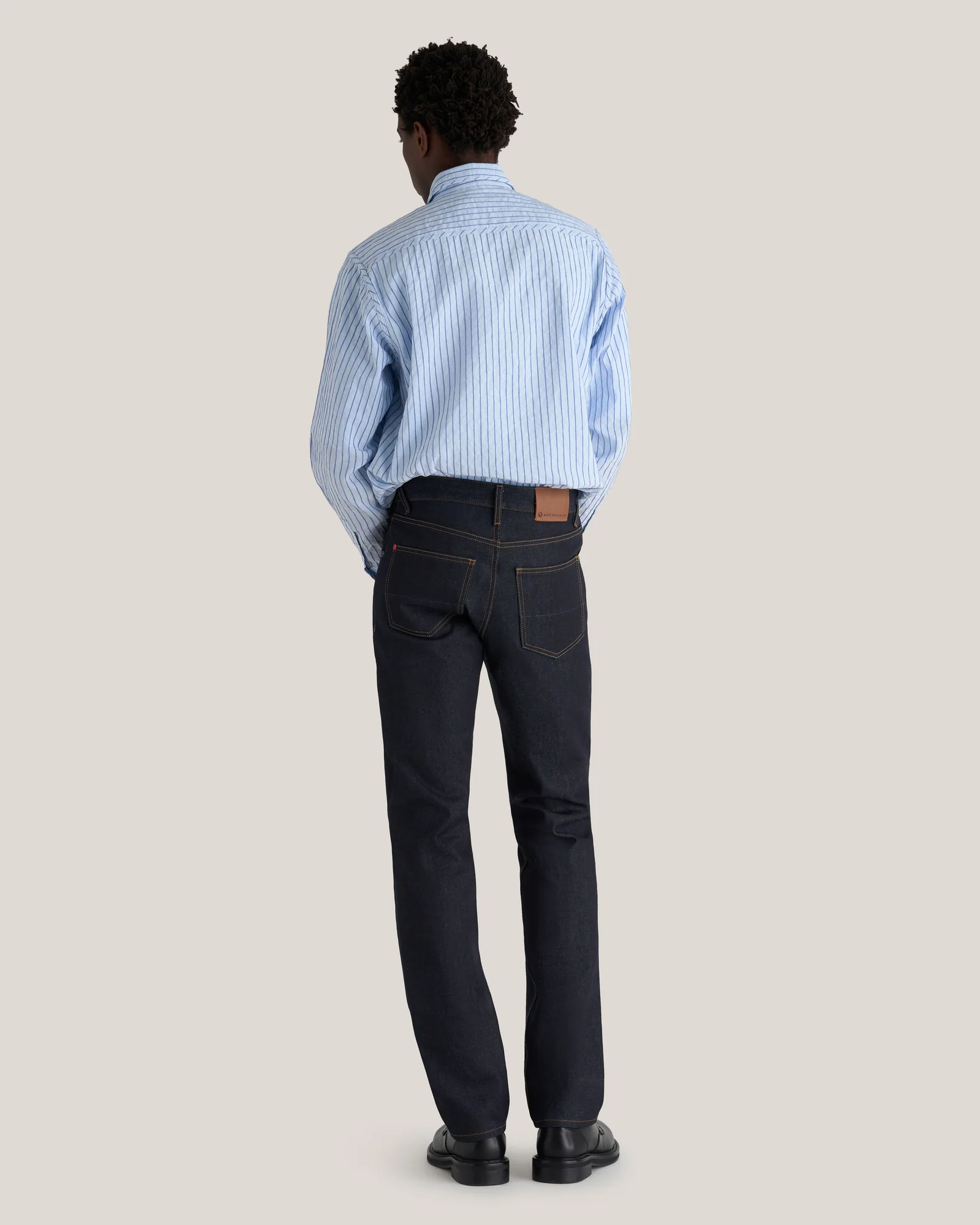
The Benjamin I found to be between the two Bryceland’s models (133 and 133S) in terms of the leg line, but a little straighter than those through the thigh. Room in the thigh and seat is something I particularly need, and in fact this Hiut model has more space there than their previous offerings. The Hiut is also higher than both in the back rise, which I don’t find I especially need but I know some others will appreciate.
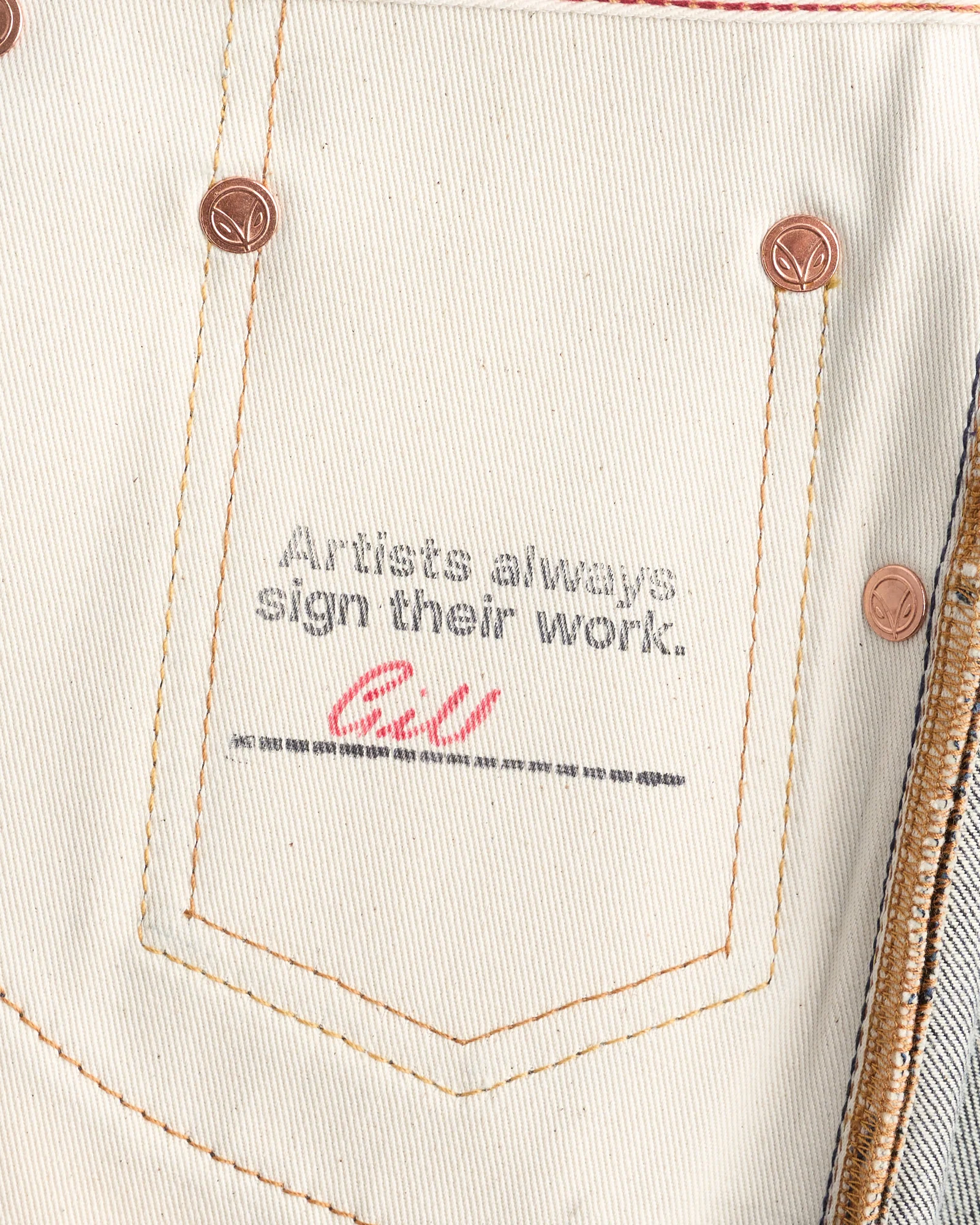
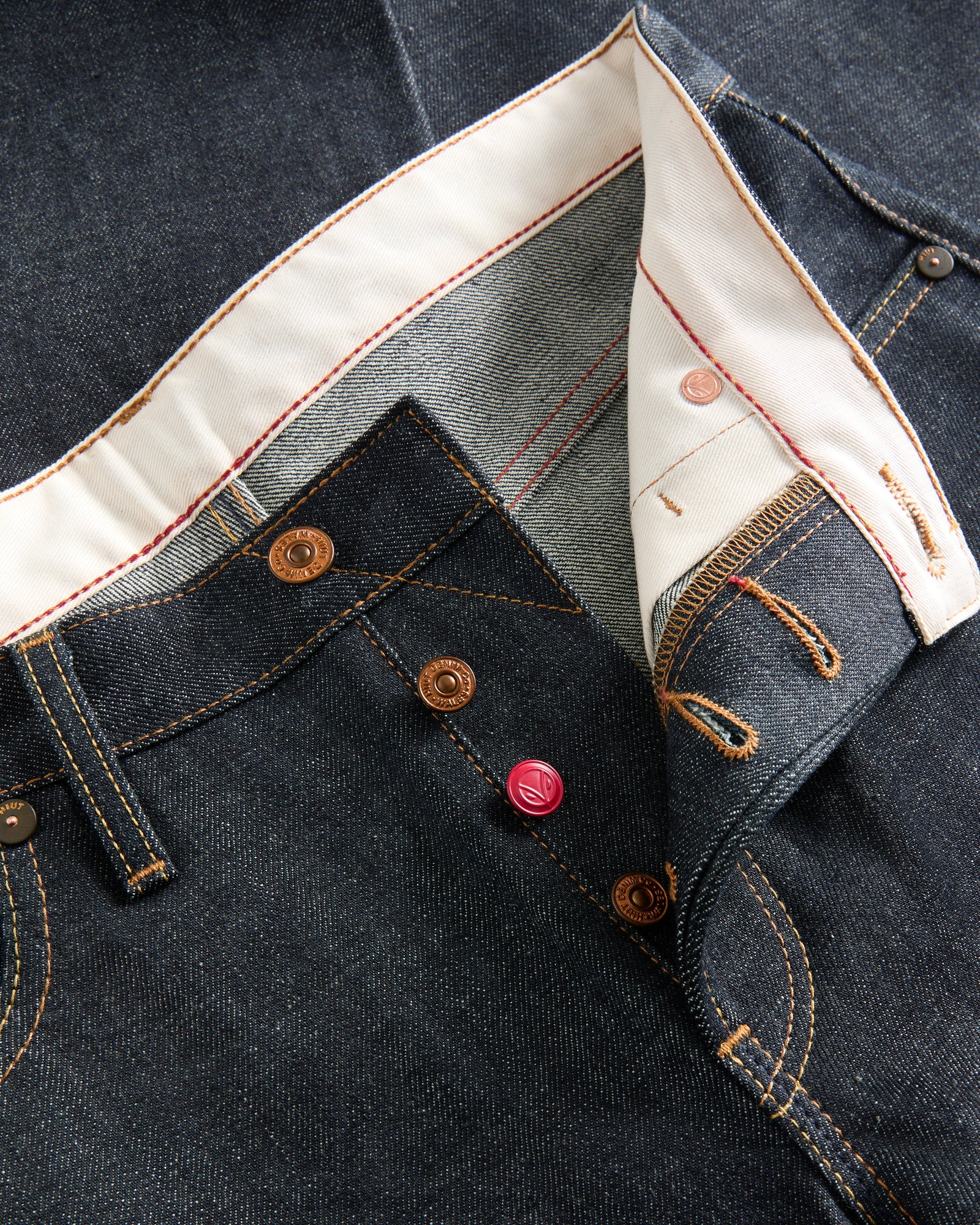
Hiut is known for some coloured details on the jeans, such as red fly button with their owl logo on it, and an unfinished red thread on the waistband that shows the last thing the maker did on the jeans.
Personally I’m not such a fan of the quirky details, but it is possible to have jeans made without them – and apparently customers are much more likely to request special versions using other colours, to put their personal stamp on them.
I took size 33/32, which is my regular size pretty much. Lucas took 38/38, which is also the size he’d expect to go for, although in retrospect he says he could have also gone for a 36 waist, he was a little in between.
Alongside the new mid-blue wash, Hiut (pronounced ‘high-utt’ by the way) are also going to launch a denim jacket in the autumn, and some cords in their existing cuts.
“The plan is not to expand too much, but just to offer a few other interesting things that customers have asked about over the years,” says Johann.
I really hope they make it work. It would be great if the next chapter of this story was about Hiut being passed successfully onto a new pair of hands, that added something essential to the long-term survival of the manufacturing here.
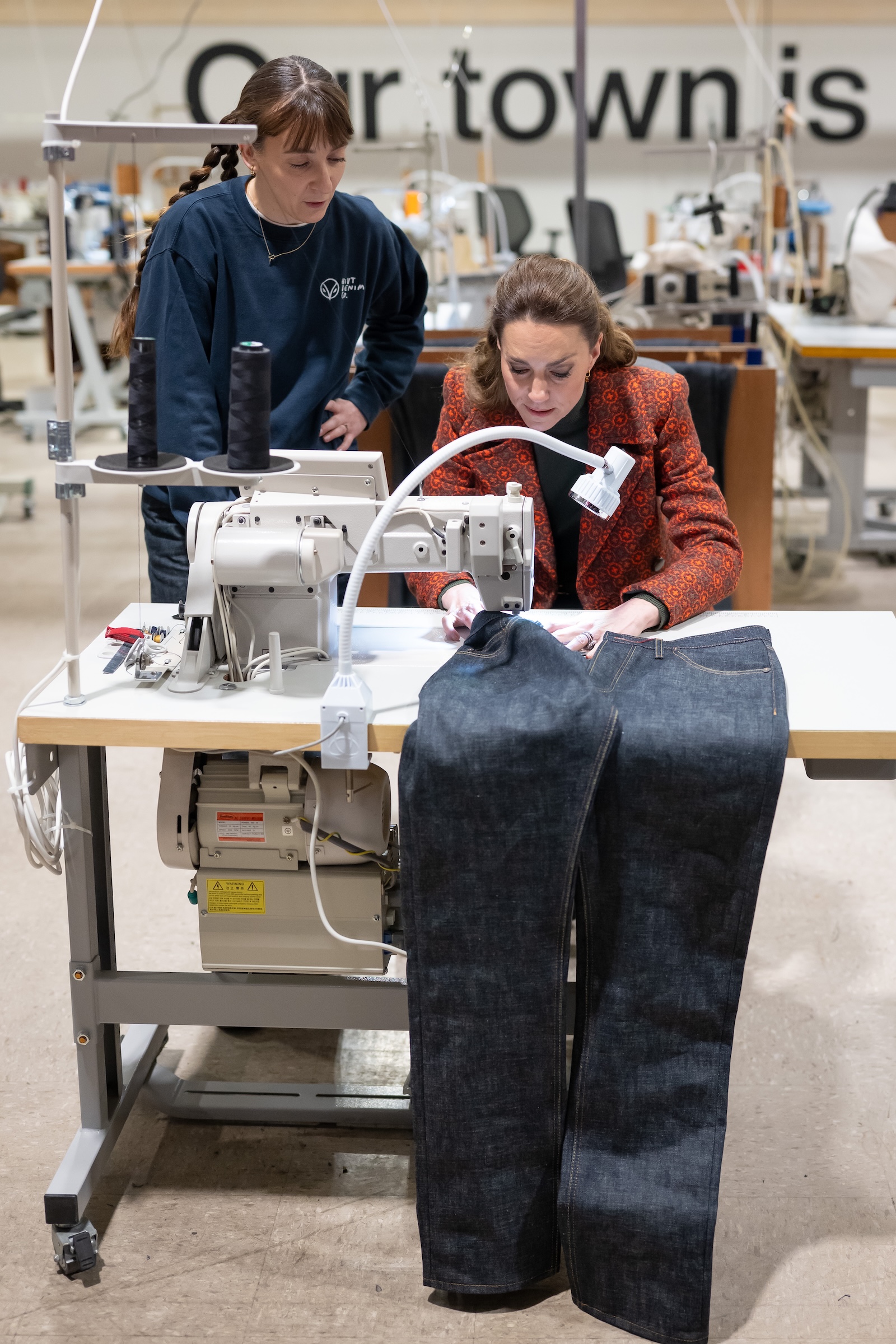
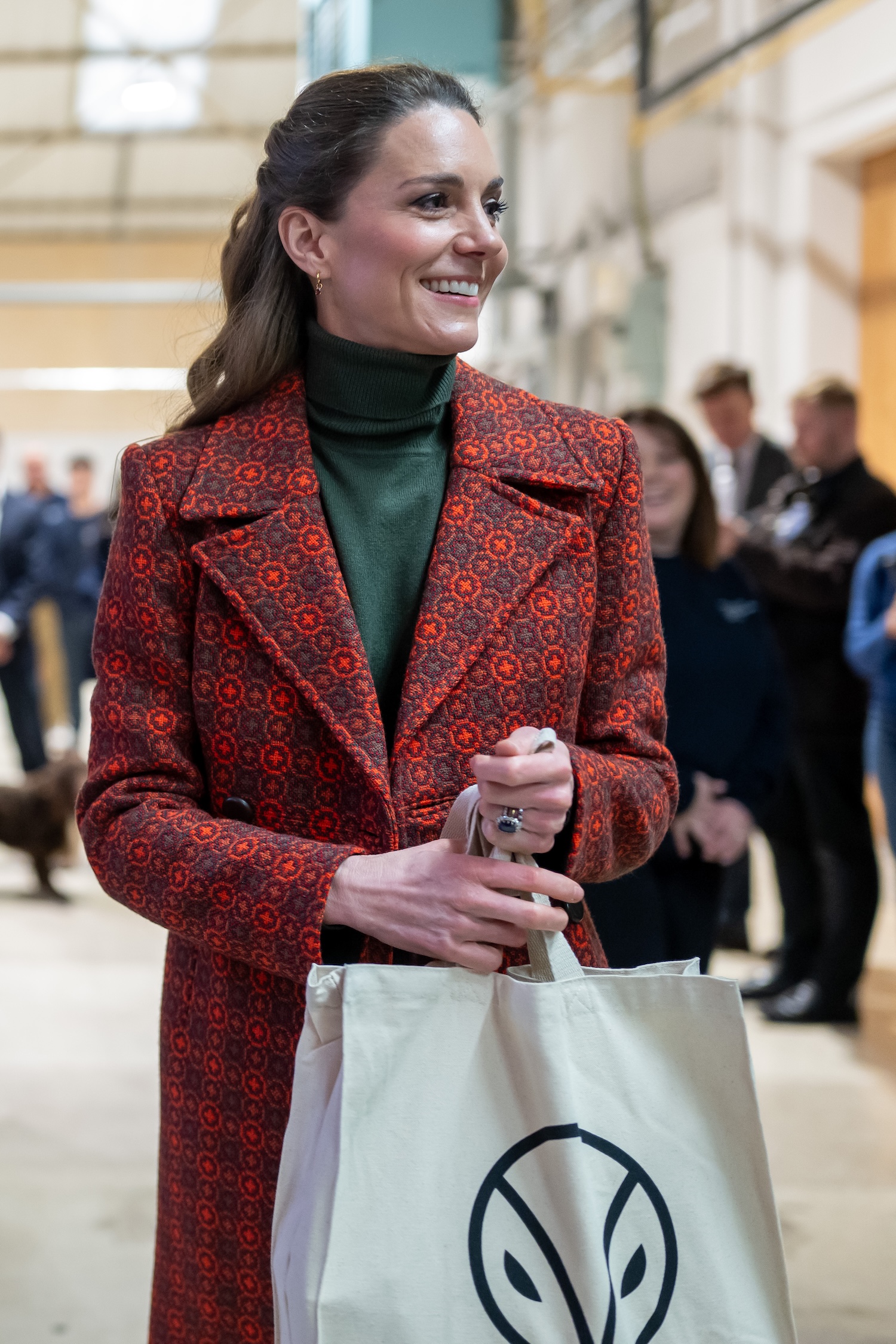
They’ve already had one good sign. “Just after Christmas, I got an email from this very non-descript address, asking for my phone number,” says Johann. “I wasn’t sure whether to give it at first, to be honest, but I did, and 20 minutes later I got a phone call from the assistant secretary to Kate, the Princess of Wales!”
Kate, it turns out, was on a programme of visiting British manufacturers, particularly textiles, in order to try and support them – something King Charles has always been amazing at.
“One of the nicest moments was when she met Claudio, our head cutter, who is now 76 and been cutting here since he was 16,” says Johann. “He’s now in charge of training – we have five trainees at the moment – so hopefully he’s helping create the future of denim here as well.”