













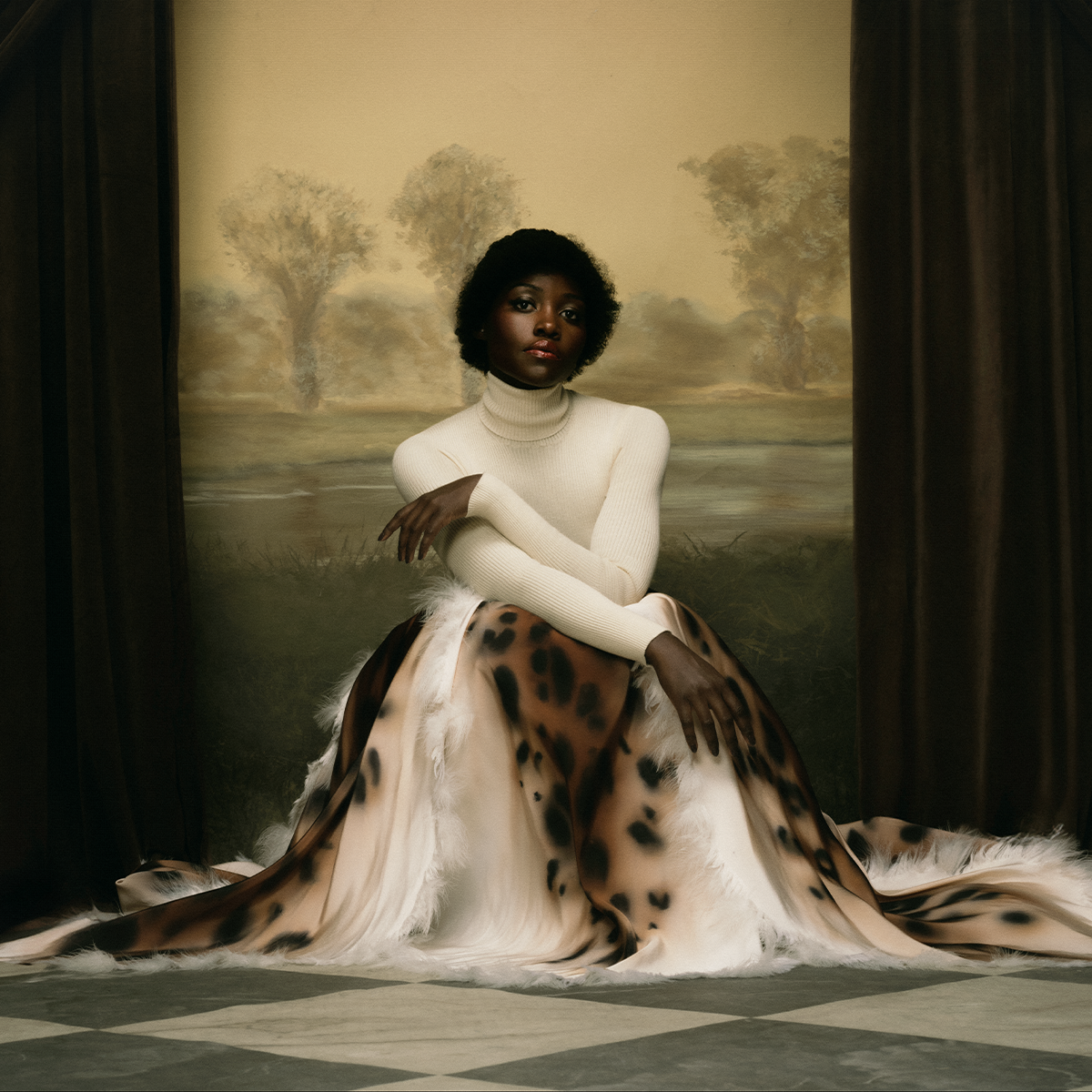
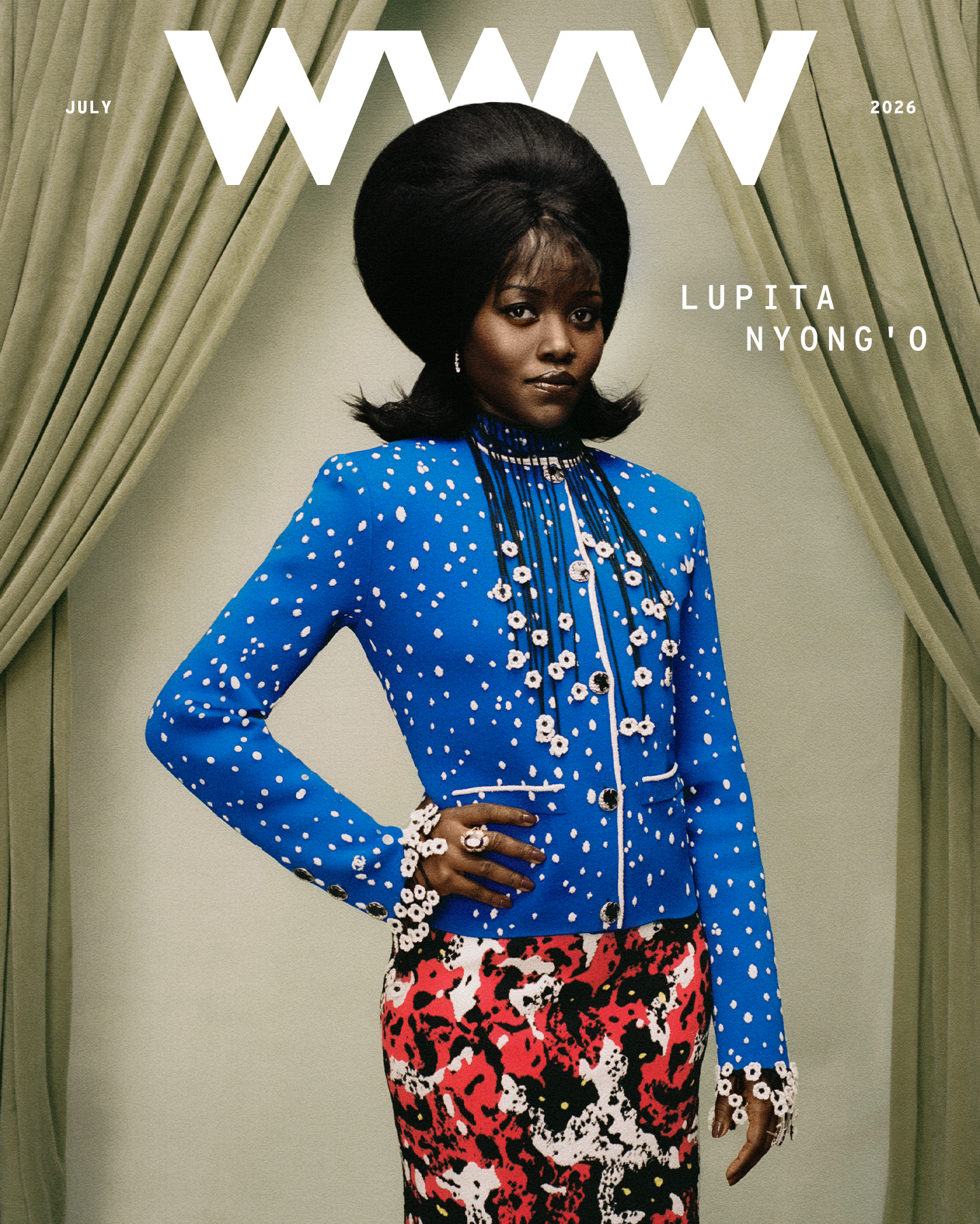
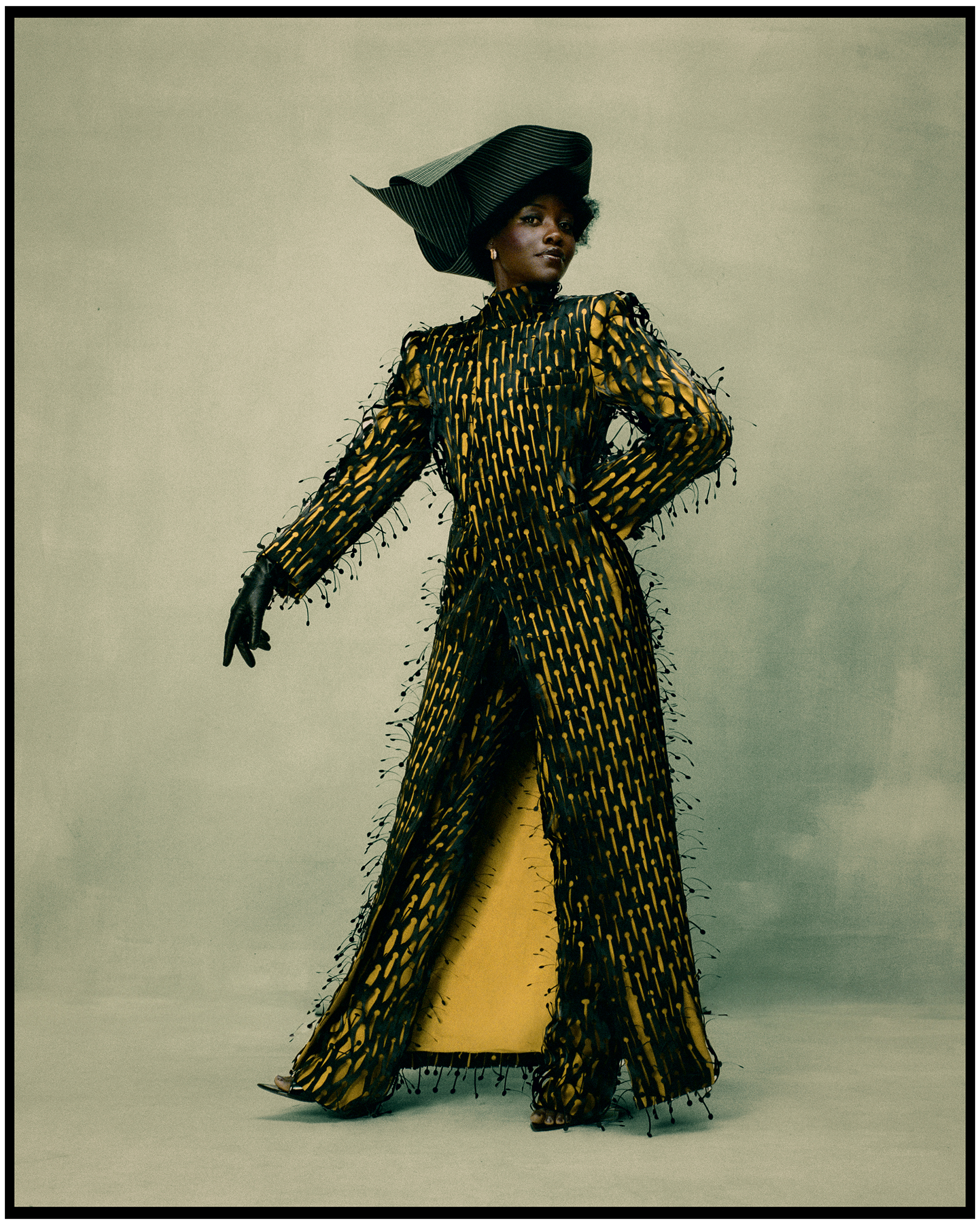
Lupita Nyong’o arrives to lunch at Sukh, her go-to Brooklyn Thai restaurant, in incognito mode: dark glasses and a black pashmina looped around her head like an Old Hollywood starlet. But when the Oscar-winning actress sheds her scarf and shades, her cover’s blown. Standing in this quaint dining room in a denim micromini, a white oxford shirt, and beaded necklaces from her native Kenya, Nyong’o is—unmistakably—the most beautiful woman in the world.
This month, Nyong’o plays Helen of Troy, the mythic face that “launched a thousand ships,” in Director Christopher Nolan’s much-anticipated, much-shrouded summer blockbuster adaptation of The Odyssey. As arguably the industry’s most influential director, Nolan makes movies that are not so much theatrical releases as Cultural Events. (Remember “Barbenheimer?”) Nyong’o is part of an all-star cast: Matt Damon as Odysseus, Anne Hathaway, Tom Holland, Zendaya, Robert Pattinson, Charlize Theron, and many more. Opening-weekend tickets are largely already sold out, some a full year in advance.
Yet on the Tuesday in June when we meet, Nyong’o herself has not been consumed by bubbling Odyssey mania. “If I could be very honest with you, I haven’t been in New York,” she says shortly after sitting, nothing but waters and menus on the table. “I’ve actually been recuperating from a surgery, so I’ve been away, in nature, taking care of myself.”
In May, Nyong’o underwent her second myomectomy, a major surgery to remove more than 50 fibroids, or noncancerous tumors, growing in the lining of her uterus. Her first myomectomy came after she was diagnosed with fibroids in 2014, the same year she won the Academy Award for Best Supporting Actress for her breakout role in 12 Years a Slave. Nyong’o shared her private struggle with fibroids in public for the first time last year: the “seasons of constant pain”; the heavy, prolonged periods in which she lost “dangerous amounts of blood each month.” Earlier this year, she revealed her fibroids had returned.
The surgery is still “very fresh,” Nyong’o says. She’s not quite ready to talk about it yet. First, she suggests, “let’s warm up.”
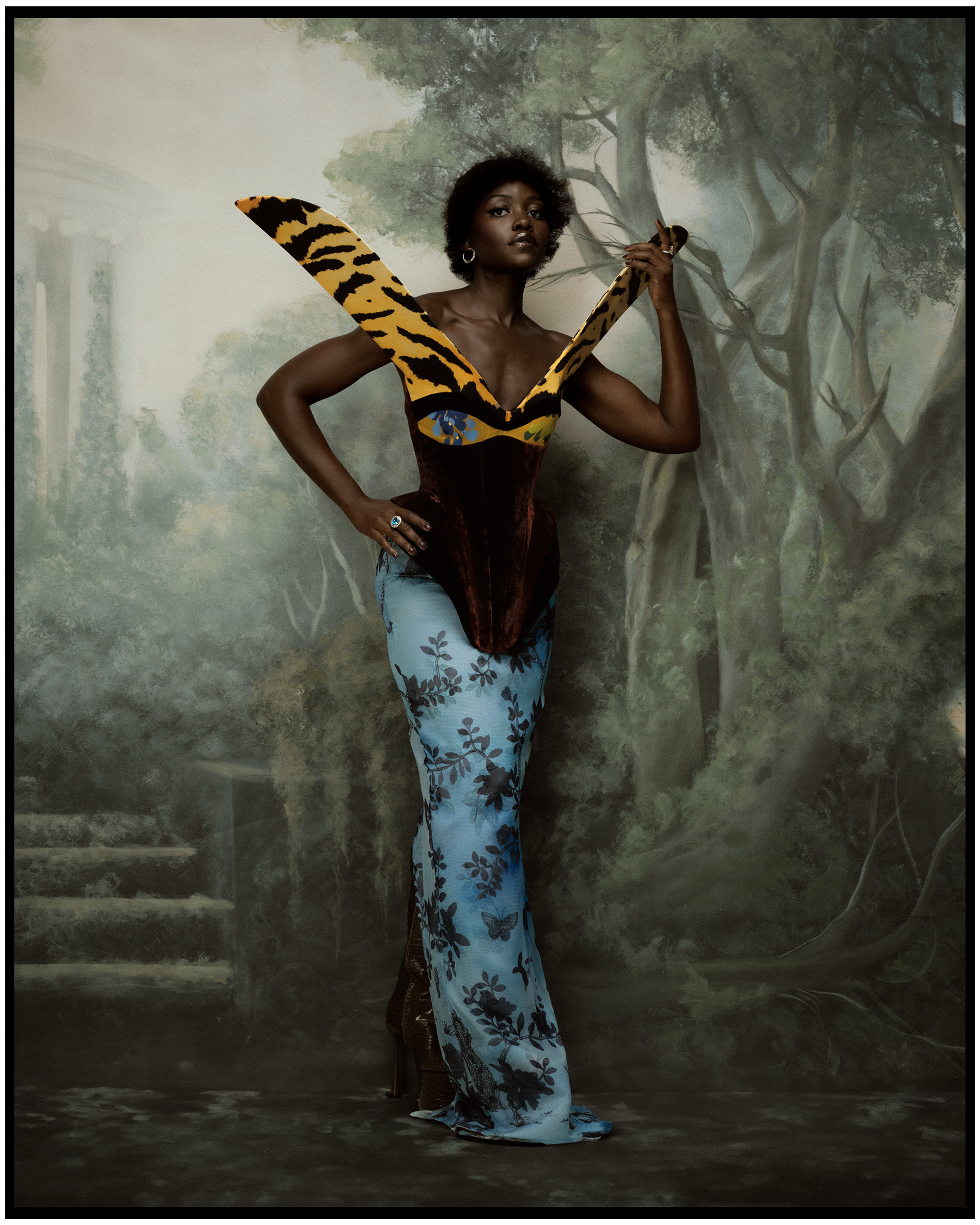
Many women struggle to take a simple compliment. Nyong’o is not many women. When I ask how it sits with her to be cast as the most gorgeous minx of all time, she replies with an enthusiastic “Really well.” Nyong’o laughs a little, but she’s not kidding: “No, I do love this for me.”
A few weeks before our lunch, Nolan’s confirmation of her casting sparked a racist backlash online that we won’t further dignify. Here in our snug corner booth, Nyong’o is wholly owning the role.
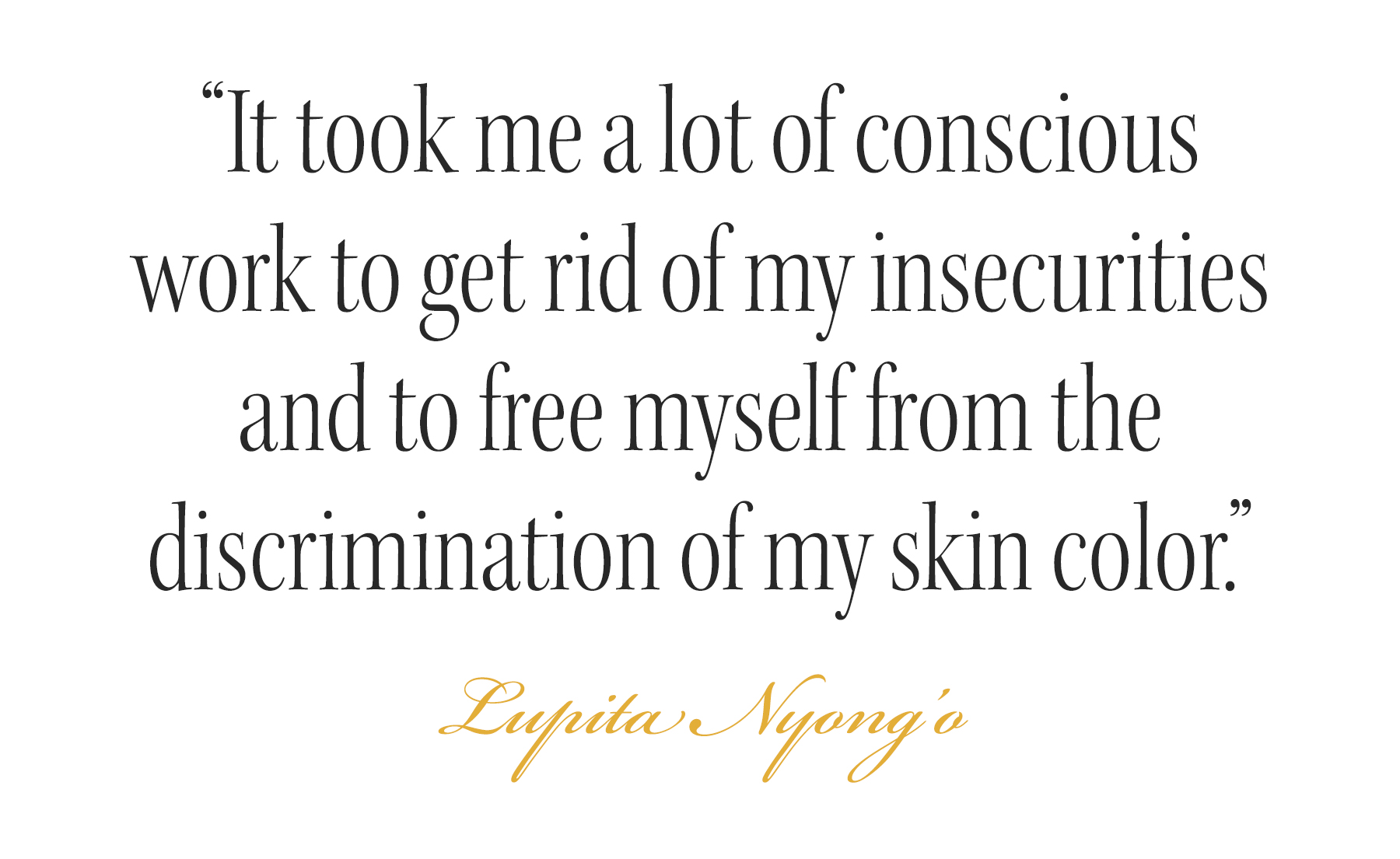
“Listen. I’m not going to be mad at anyone calling me beautiful,” she tells me. “I grew up feeling kind of like an ugly duckling.” She references her 2019 children’s book, Sulwe, inspired by her own experiences with colorism: “It took me a lot of conscious work to get rid of my insecurities and to free myself from the discrimination of my skin color.”
Regal, striking beauty is inextricable from Nyong’o’s public identity: as Nakia, the warrior/spy and love of the late Chadwick Boseman’s King T’Challa in Black Panther; as the first Black face of Lancôme and a suited Chanel ambassador. The “jarring” attention started when Nyong’o moved to her birthplace of Mexico to study Spanish at age 16: “I was like, ‘Wait a minute. I’m odd enough here. I’m singular enough that people are translating it as beauty.'”
At 43, Nyong’o speaks with the steady, almost mesmerizing conviction of a woman who has done the work. “When people compliment me these days,” she adds, “I embrace it.“
Early Odyssey discourse has been so preoccupied with Helen, it’s largely glossed over that Nyong’o pulls double duty as her sister, Clytemnestra, the tortured queen who murders her husband, Agamemnon (Benny Safdie), as payback for sacrificing their daughter to the gods. It’s a role that Nyong’o first played as a student at Yale School of Drama in a class called The Greeks. “Her story is so tragic,” she says. “It’s hard to forget.”
In some versions of The Odyssey—including Nolan’s, Nyong’o reveals—Helen and Clytemnestra are twins. She immediately agreed to play the more storied sister during her first meeting with Nolan. (“I never ever thought that I would be offered a chance to play Helen of Troy.”) When the Oppenheimer director doubled down with Clytemnestra, Nyong’o “almost fell off the creaky chair [she] was on,” but it helped that she’d already played doppelgängers in Jordan Peele’s psychological thriller Us.
“I had the reassurance that I had done two roles before,” she said. “My role in Us, I was the Odysseus. It was more of a heavy lift to do Us than it was to be a really, really valuable and pivotal part of Odysseus’s journey.”
To tackle the twins, Nyong’o knew she had to craft key physical and vocal distinctions for each character, an approach she says “Michael” (as in Michael B. Jordan, her Black Panther costar and the Oscars’ reigning Best Actor for playing twins in Sinners) has also discussed. How, specifically, did Nyong’o approach Helen versus Clytemnestra? “I can’t tell you that,” she says slyly.
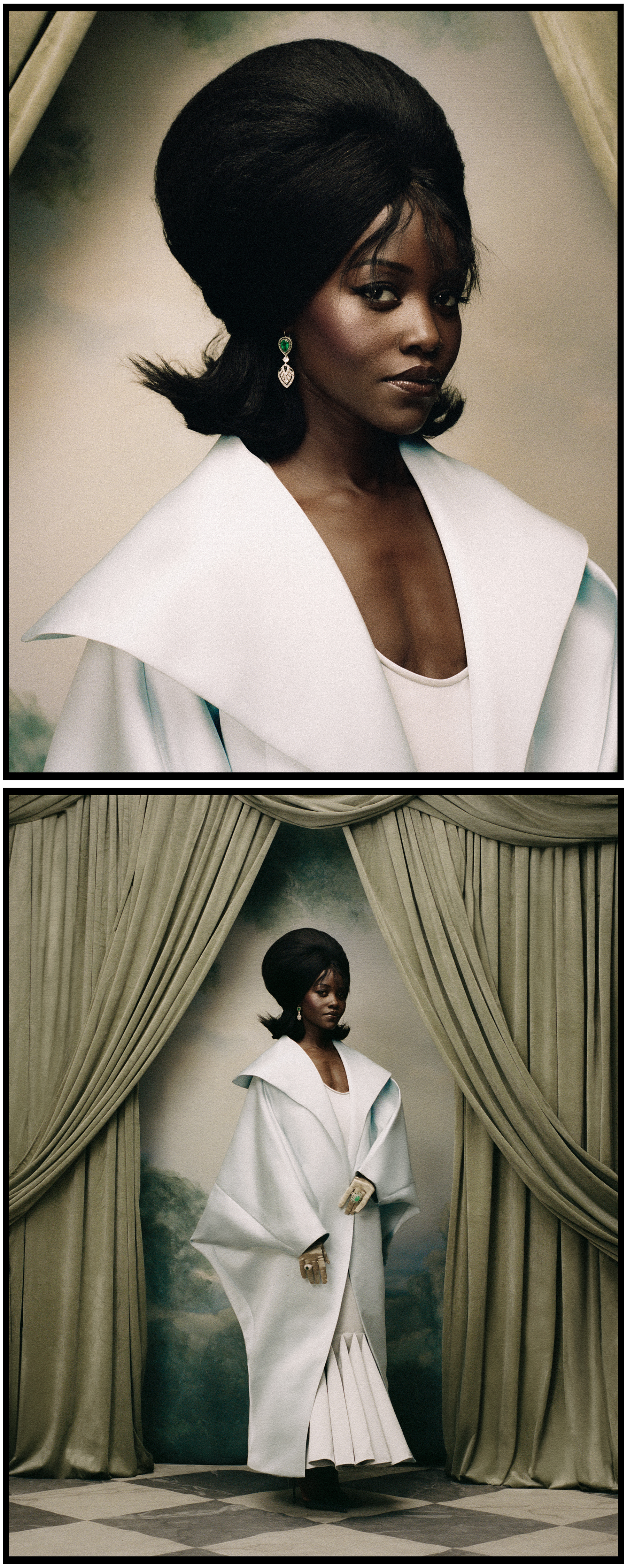
Inevitably, we’ve reached the point in our interview when Nyong’o must maintain the mystique of a new Nolan film. The director famously rejects the modern movie-marketing machine, a gauntlet of appearances, interviews like this one, and a deluge of TikToks and Instagram Reels promoting—and potentially overexposing—the project. When Nyong’o and I meet in June, there have been no glimpses of her in character as Helen. Two Odyssey trailers have dropped, neither of which feature her. Journalists typically screen the film their celebrity subject is promoting; not this time.
“I actually think that a lot of filmmakers want to be guarded about what they’re making, but the industry doesn’t allow them to be,” Nyong’o says. “Chris has that power. He is that power.”
Nyong’o is a director’s darling, consistently working with the new masters, including Peele and Black Panther‘s Ryan Coogler. Even so, the mythology (pun intended) around Nolan felt different. “There’s so much lore that goes with the Chris Nolan experience,” Nyong’o says. In reality, she found him to be remarkably open, inviting her into three-way discussions with him and the costume, hair, and makeup departments. She praises Nolan’s no-phones-on-set policy and the fact that he didn’t coddle The Odyssey‘s constellation of stars.
Even before The Odyssey, Nolan’s and Nyong’o’s careers were creatively aligned. Both have a way of elevating blockbusters, bridging the gap between Best Picture and box-office hits. The Oscars have toyed with adding a “popular film” category, but between Oppenheimer and The Dark Knight (Nolan) and Black Panther, Us, and I, Robot (Nyong’o), the synergy between art and commerce is already being realized.
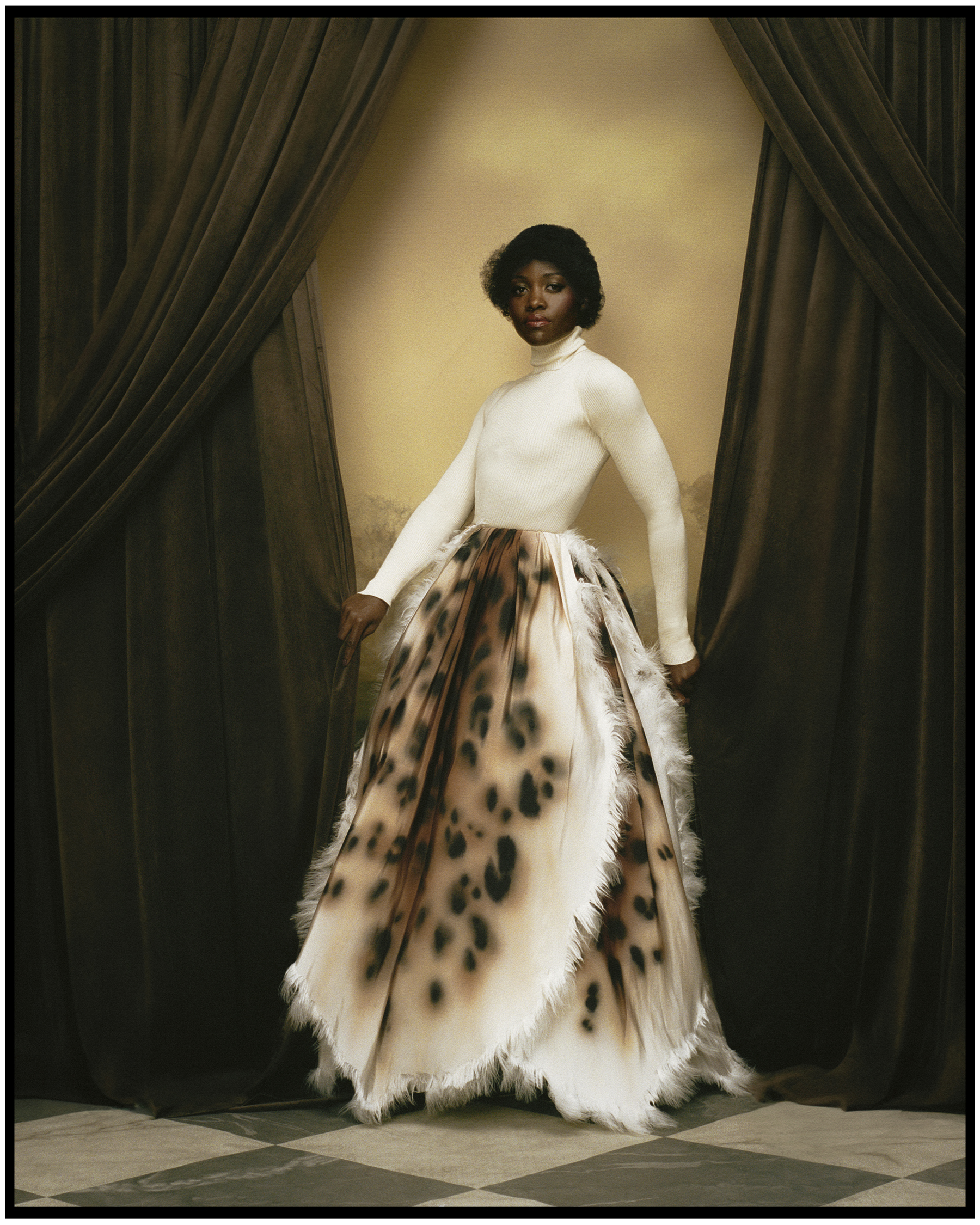
For Nyong’o, filmmakers like Nolan and Coogler mean she doesn’t have to view her career in terms of the old industry juggling act of “one for them, one for me” (projects that pay and others that feed your soul). “They do work that means something to them. They’re not just collecting a paycheck,” she says. “That’s a gift, to have artistic convictions that happen to correlate with a popular movie.” She could just as well be talking about herself.
Nyong’o has gravitated to iconic IP (Marvel, Star Wars), but her meteoric, Oscar-winning debut came in a comparative indie. In Director Steve McQueen’s 12 Years a Slave, she played Patsey, a young enslaved woman immortalized in the memoir of the same name. I wonder how it’s impacted the rest of her career, to get everything she’s supposed to want, upfront, at age 31.
“That is the only life I know, right? The version of life where I won an Academy Award for the first movie I ever did,” Nyong’o says. “It’s unbelievable that it happened that way, but I’m so glad it did because it happened before I had a chance to want it and now I get to be grateful for the rest of my life.” Some say it’s a curse, but Nyong’o credits the Oscar’s weight, and not just because she sometimes uses hers as a dumbbell. “I would not be in a Chris Nolan film were it not for that,” she says. “It legitimized my presence in an industry that has a very short attention span.”
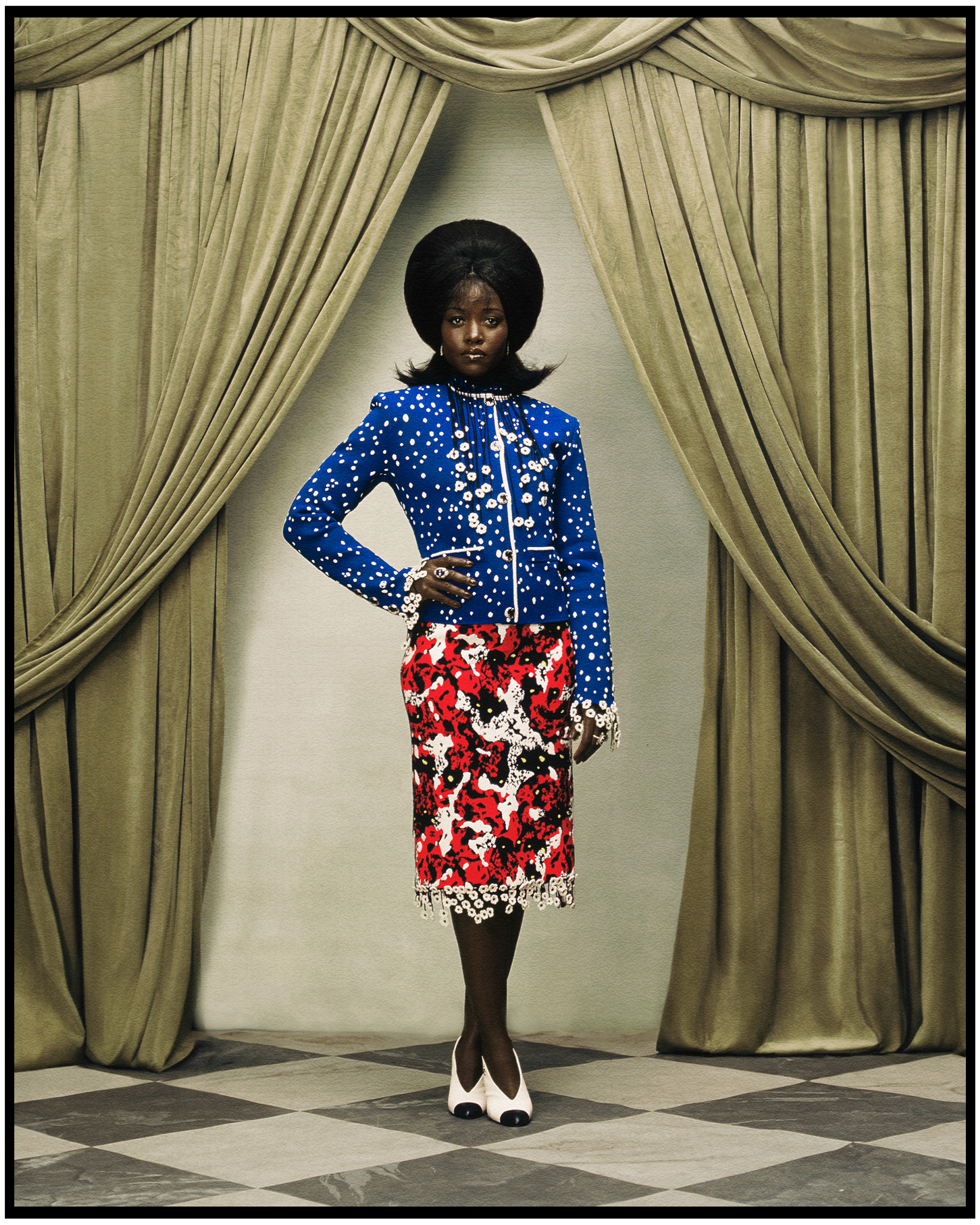
Growing up, she never dreamed of acting as a viable career path. She can’t seem to stress this part enough: “I come from a very different world, Michelle.” The daughter of a Kenyan politician/professor and a public health advocate, she was raised between Kenya and Mexico City, born in the latter after her family fled political unrest at home. “My options for what I could be were very narrow,” Nyong’o says. “I had internalized that women were secretaries and business women.” But her mother, Dorothy, clearly saw her potential, signing her up for public speaking, improv, and poetry recitation classes.
“I remember seeing Whoopi Goldberg in more than one movie, and I was like, ‘Wait, you could do this?'” she reenacts her childhood enlightenment. Especially “because she was dark skinned, I really took note of her.” It’s moving now for Nyong’o to imagine her career providing the same kind of recognition for a new generation: “I feel very honored to be anybody’s Whoopi.”
Still, Nyong’o’s bright-burning breakout was not without complication. “The years after winning were very challenging for me, psychologically, because I was riddled with the question of, ‘What does up look like from an Academy Award?'” She aimed to give herself permission to fail.
“That’s what got me to a place where I was eligible for an Academy Award, because I approached 12 Years a Slave with courage,” she said. “It cannot be about the accolades. It has to be about the boldness with which I go about my work.”
Maybe it’s because Nyong’o grew up a world away from Hollywood that she’s managed to approach its gilded trap with grace. “Trying to maintain other people’s regard of you is not sustainable,” she says. “The Academy Award was external validation, but it cannot be the prerequisite for self-appreciation.”
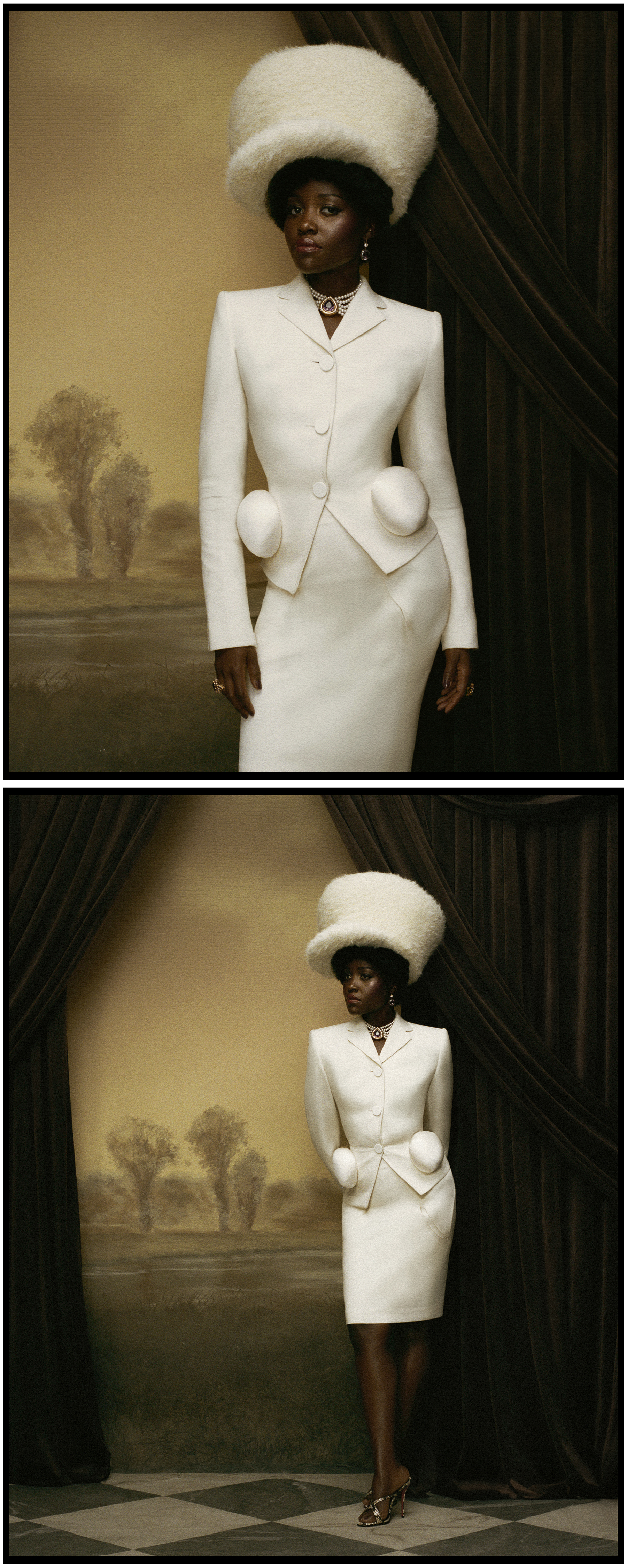
Nyong’o knew too well that winning an Oscar isn’t a cure-all. Fans saw her in plunging, powder-blue Prada, statuette in hand. Behind the scenes, 2014 was coupled with the crushing low of her first fibroids diagnosis: “It was just a very brutal reminder that no number of red carpets will protect me from poor health,” she tells me.
Over her colorful salad and my plate of branzino, Nyong’o is ready to go there. She’s been listening to Lena Dunham’s memoir, Famesick, and relating closely to the story of a buzzy young star privately grappling with a chronic health issue.
It’s tempting to write that Nyong’o has suffered in silence, but she now describes her experience with fibroids as something more specific, something all too female: She did not recognize her suffering was remarkable at all.
Though her period was going longer and she was experiencing cramps, abdominal pain, and clotting—all fibroid symptoms—”I didn’t know I was sick,” Nyong’o says of the lead-up to her diagnosis in 2014. “I didn’t know there was an alarm to sound.”
It was only after she insisted to doctors that the toughness in her abdomen signaled a deeper problem that an ultrasound confirmed she had 30 fibroids growing in her uterine lining. “I blamed myself because it had been a stressful year, and fibroids grow in a stressed-out body,” she said of the dizzying high/low. “I was the thinnest I’ve ever been, and that was not by design. There was not enough time to eat, and I didn’t have an appetite. My diet was cortisol and adrenaline.”
Nyong’o says no one could explain why her fibroids had developed or if they’d return. Doctors repeatedly shrugged at a lack of research. Despite affecting 80% of women by age 50 and disproportionately affecting Black women, fibroids were—and largely remain—”under-researched, underfunded, and routinely dismissed,” according to a piercing description by health policy nonprofit The Commonwealth Fund.
Nyong’o’s treatment options sounded more like an ultimatum: surgically remove her fibroids or continue to suffer. She says hysterectomies—the only certain cure for fibroids—have too often been recommended as an extreme first course of action. Facing her first surgery, “I felt very alone, and I also felt like I had to deal with it in private,” she recalls. Overnight fame was disorienting enough without publicizing her medical records. After a myomectomy that removed 23 fibroids, Nyong’o continued to grind. Ten days after the procedure, she honored a prior commitment to speak before 10,000 women in Boston. “I didn’t know that I could say no, and I think a lot of women do that,” she says. “Taking care of their bodies is not on the agenda, because the world does not create an environment where your pain is considered.”
Post-op conversations about prevention felt similarly bleak. Nyong’o recalls two options: go on The Pill, which can alleviate symptoms but isn’t a cure, or accept that it would only be a matter of time until her fibroids returned. “I lived praying that my fibroids weren’t coming back,” she said, “so when I learned that they were, it was this inevitable tragedy.”
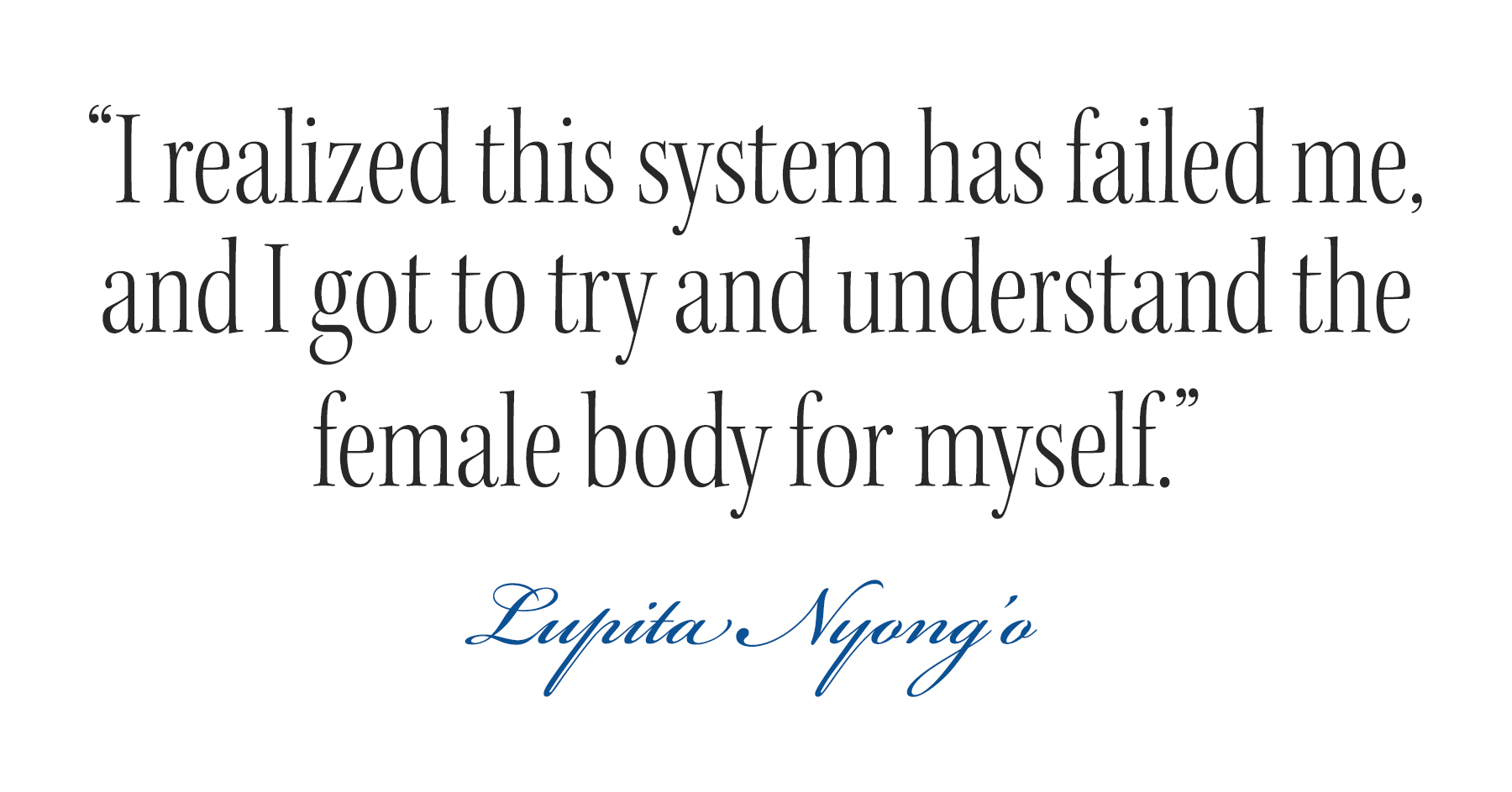
Nyong’o was mostly able to live her normal life in the years since her first surgery, but over time, her symptoms flared. “It wasn’t until my period lasted more than 30 days that I finally crumbled,” Nyong’o said. In early 2023, she learned her fibroids had returned and more than doubled: There were over 50 tumors, the largest being the size of a peach. This time, she was almost a decade older and full of fiery resolve: “I realized this system has failed me, and I got to try and understand the female body for myself.”
Playing a cancer patient in 2024’s A Quiet Place: Day One proved a turning point. “That movie where I had to look ill actually made me more well,” Nyong’o said. To safely lose weight for the role on a short timetable, she worked with a healthcare facility that dialed into her nutrition and bloodwork. She learned that fibroids feed on estrogen and eating iron-rich foods could improve her liver function and, therefore, her hormonal balance; that getting vitamin D via sunlight and supplements could inhibit fibroids from growing (which is notable for Black people, who can be vitamin D deficient, as the melanin in their skin decreases sun absorption); that reducing stress and inflammation can make your body a less-friendly host for fibroids.
Nyong’o approached her second myomectomy this past May empowered by information. “Last time, I felt completely helpless and at the mercy of the medical industry,” Nyong’o said. This time, “the fibroids don’t have the same power over me.”
Instead of racing back to the grind, “I went away for a month, and I stayed in the countryside, and my mother came and she took care of me,” Nyong’o shares. She ate well, walked every day, and got tons of sunshine, “like a wounded cat.” Nyong’o is still healing, including discomfort and pain from the surgical wound, but she says her body seems lighter already.
Even on set of The Odyssey, she strove for sleep, rest, and maintaining her anti-inflammatory diet.
Nyong’o doesn’t feel alone after this second surgery, either, in part because of the community she’s created by going public. Nyong’o has established herself as a truthteller. In 2017, she lent her voice to the #MeToo movement, alleging in a stinging New York Times op-ed that Harvey Weinstein made sexual advances on her while promising to boost her career. When she broke up with boyfriend Sal Masekela in 2023, she skipped the typical, pat statement, instead vulnerably writing on Instagram about “a love suddenly and devastatingly extinguished by deception.”
She decided to share her fibroids story last year. “Honestly, I just had it,” she tells me. Part of her advocacy is awareness. “Why is this thing that’s so common a mystery?” Nyong’o asks. “We should know about fibroids as much as we know about impounded wisdom teeth. Every single girl should know about the risk of fibroids in their teens when they’re learning about their period and their reproductive system.”
In March, she announced a Make Fibroids Count campaign with the Foundation for Women’s Health, creating a grant to research less-invasive treatments; it has surpassed its $200,000 goal, raising more than $230,000. “I would love for there to be more solutions for women than just cutting us open,” Nyong’o says.
This is the true beauty of Lupita Nyong’o: her resolve to do something productive with her pain, and her fame. “It’s the delight of my soul,” she says.
The Odyssey is in theaters July 17.
Photographer: Kenny Germé
Creative Director: Natalia Sztyk
Stylist: Jan-Michael Quammie
Hairstylist: Vernon François
Makeup Artist: Nick Barose for Exclusive Artists using Chanel
Makeup Assistant: Naruedom Putipan
Manicurist: Bagir Hasanov
Set Designer: Lane Vineyard
Video Director: Sarah Al Slaity
Entertainment Director: Jessica Baker
Producer: Nick De Bellis